
Budget audio gear has never been more popular. Compact amplifiers from brands like Fosi, Pyle, and Skar promise impressive power ratings, modern features, and extremely low prices — all while claiming to deliver “real hi-fi” sound.
That raises an important question many buyers eventually face: are budget amplifier brands actually worth it, or do they hide compromises that only become obvious over time? The answer isn’t a simple yes or no. It depends heavily on how the amplifier is used, what it’s expected to drive, and how the rest of the system is built.
This guide takes an honest, experience-based look at budget amplifier brands — where they genuinely deliver value, where they fall short, and when spending more becomes the smarter long-term decision.
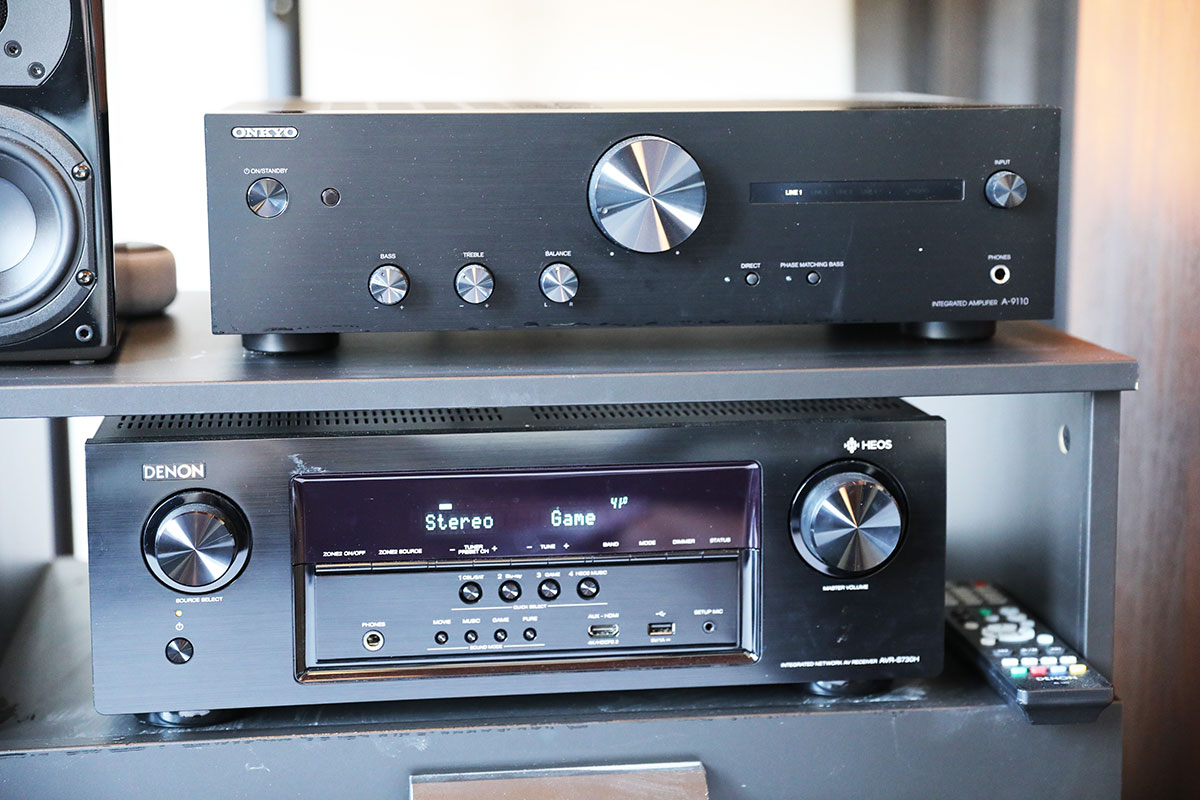
What “Budget Amplifier Brands” Really Means
The term “budget amplifier brands” is often used loosely, and that lack of clarity causes much of the confusion surrounding their value. In practice, it does not refer to a single level of quality or performance. Instead, it describes a wide range of products designed to meet strict price targets while still delivering functional amplification.
Most budget amplifier brands focus on reducing cost through simplified designs, compact enclosures, and limited feature sets. This approach allows them to offer amplification at prices that would have been unrealistic for traditional hi-fi brands a decade ago. Advances in Class D amplification, surface-mount components, and global manufacturing have made this possible.
It’s important to separate price from intent. Budget amplifiers are not necessarily designed to compete with full-size integrated amplifiers or high-current power amps. Instead, they are often built for specific use cases such as desktop audio, small rooms, secondary systems, or entry-level setups where space and cost matter more than maximum output.
Another key distinction is how specifications are presented. Budget brands frequently emphasize headline numbers like wattage or Bluetooth capability, because those features are easy to communicate and attractive to first-time buyers. What those numbers represent in real-world use, however, is not always obvious without context.
This does not automatically make budget amplifier brands misleading or dishonest. It does mean that buyers need to understand what compromises are being made to reach a certain price point. Lower cost often comes from choices related to power supply size, thermal headroom, component tolerances, and long-term durability rather than from sound quality alone.
When evaluated within the scope they are designed for, budget amplifier brands can be perfectly reasonable tools. Problems tend to arise when expectations drift beyond those boundaries, or when budget gear is asked to perform roles it was never intended to fill.
Where Budget Amplifier Brands Actually Deliver Value
Despite their limitations, budget amplifier brands can be genuinely useful when they are matched to the right situations. Many buyers who feel satisfied with budget gear are not imagining things — they are simply using the equipment within the boundaries it was designed for.
One area where budget amplifiers perform well is in small, nearfield, or desktop setups. In these environments, listening distances are short, speaker demands are modest, and overall volume levels remain reasonable. Under those conditions, even compact amplifiers can deliver clean, enjoyable sound without strain.
Budget amplifiers also make sense for secondary systems. Offices, bedrooms, workshops, and casual listening spaces rarely require the same headroom or refinement as a primary living-room system. Using an affordable amplifier in these roles keeps costs down without sacrificing basic functionality.
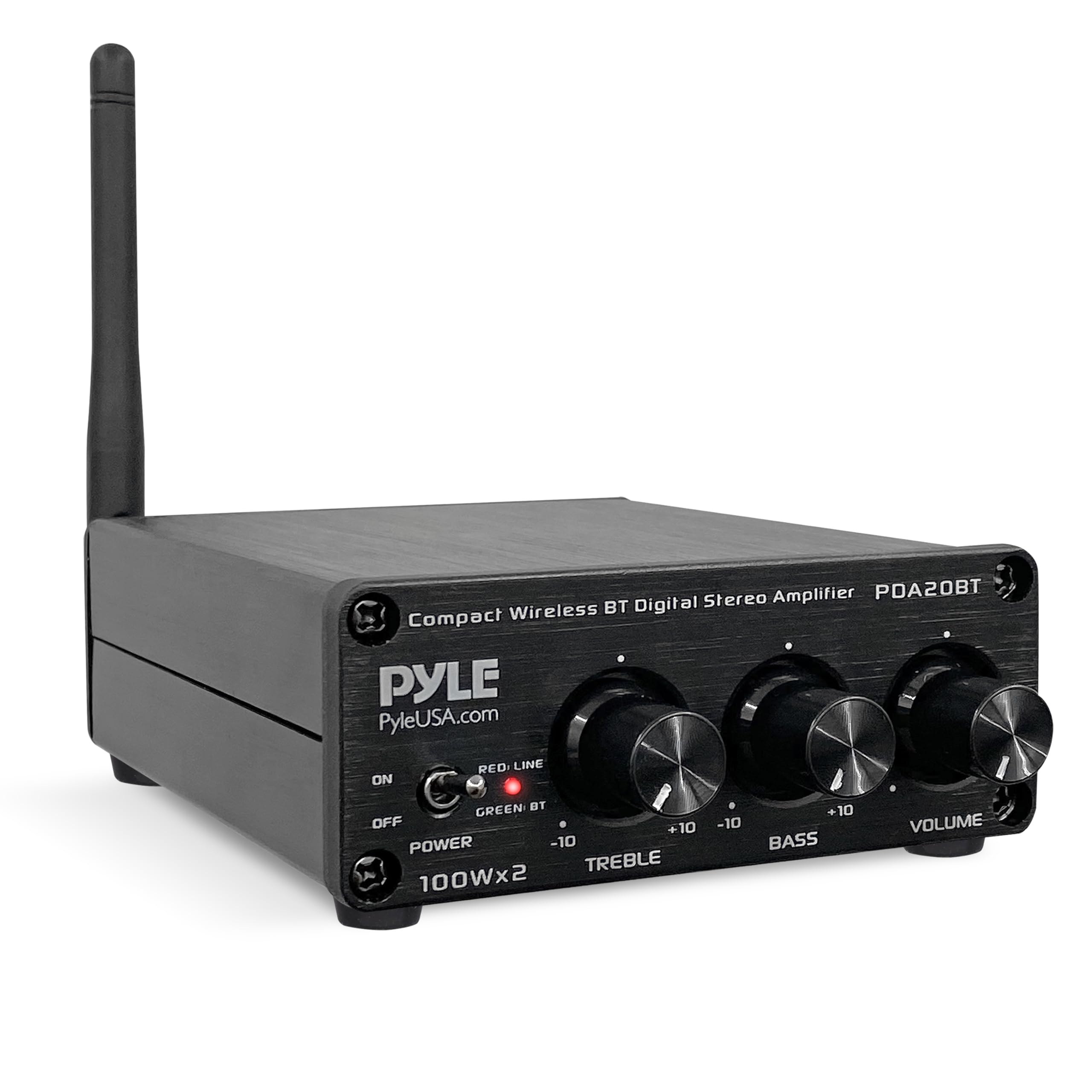
Brands like Fosi Audio illustrate this best-case scenario. Compact designs such as the Fosi Audio BT20A focus on simplicity, efficiency, and ease of use rather than raw power. When paired with efficient speakers and used at sensible volumes, this type of amplifier can sound far better than its price might suggest.
Another advantage of budget amplifier brands is low financial risk. For beginners, they provide an accessible way to learn how different speakers, sources, and room placement affect sound. If expectations change later, upgrading feels less painful than replacing a much more expensive component.
Finally, modern budget amplifiers often include practical features that matter to everyday users. Bluetooth connectivity, compact footprints, and simple controls can outweigh the absence of advanced inputs or premium build materials, especially for listeners who value convenience over system complexity.


When Budget Brands Stop Making Sense
Budget amplifier brands tend to reach their limits when system demands increase. This does not happen suddenly, but rather as small compromises begin to stack up. What once sounded adequate in a simple setup can start to feel constrained as expectations grow.
One of the most common turning points occurs when larger or less efficient speakers enter the system. Floorstanding speakers, multi-driver designs, or speakers with complex impedance curves require sustained current and headroom. Budget amplifiers often struggle to maintain control under these conditions, especially at higher listening levels.
Room size also plays a role. As listening spaces get larger, the amplifier must move more air and maintain dynamics across a wider area. Compact amplifiers designed for nearfield or small-room use can begin to sound flat, compressed, or strained when pushed beyond their comfort zone.
Another limitation emerges as systems become more refined. Upgrading to better speakers or higher-quality sources can expose weaknesses that were previously masked. Noise floor, channel separation, and low-level detail become more noticeable, and budget designs may not scale gracefully with the rest of the system.
Reliability expectations also change over time. An amplifier that works acceptably for occasional listening may not hold up as well under daily, extended use. Heat buildup, connector wear, and component fatigue can become concerns, particularly in compact designs operating near their limits.
At this stage, continuing to rely on a budget amplifier often leads to diminishing returns. Instead of enjoying upgrades elsewhere in the system, the amplifier becomes a bottleneck. This is usually the point where stepping up to a more robust design makes sense, not for prestige, but for stability, headroom, and long-term consistency.
Higher-power budget brands such as Skar focus on output rather than refinement, which can still fall short when speaker demands grow.
Final Verdict: Who Budget Amplifier Brands Are (and Aren’t) For
Budget amplifier brands are neither miracles nor mistakes. They are tools designed to meet specific needs at specific price points, and their value depends entirely on how well those needs are understood before purchase.
For beginners, casual listeners, and secondary systems, budget amplifiers can be a sensible choice. When paired with efficient speakers, used at reasonable volumes, and placed in small to medium rooms, they often deliver sound quality that exceeds expectations. In these situations, simplicity, affordability, and low risk matter more than absolute refinement.
Problems arise when budget amplifiers are asked to do more than they were designed for. Larger rooms, demanding speakers, higher volume levels, and long daily listening sessions expose limitations in power delivery, thermal headroom, and long-term durability. At that point, the issue is not sound quality alone, but stability and consistency.
The most important takeaway is that price should never be evaluated in isolation. An amplifier that costs less is not automatically a poor choice, just as a more expensive one is not automatically better. System balance, speaker compatibility, and realistic expectations — including matching the amplifier to your speakers — determine whether a budget amplifier feels like a smart decision or a compromise.
When chosen with clear boundaries in mind, budget amplifier brands can serve their purpose well. When expectations grow beyond those boundaries, stepping up becomes less about chasing better sound and more about removing the bottleneck that limits the rest of the system.
Frequently Asked Questions
Are budget amplifier brands good enough for beginners?
Yes. Budget amplifier brands can be a solid starting point for beginners building their first audio system or setting up a secondary listening space. When paired with efficient speakers and used at reasonable volume levels, many budget amplifiers perform reliably and sound better than expected.
Why do budget amplifiers often advertise very high wattage?
High wattage figures are usually measured under ideal or short-term conditions and do not always reflect sustained real-world performance. Smaller power supplies in budget amplifiers limit how much continuous power they can deliver despite impressive-looking specifications.
Do budget amplifier brands sound worse than expensive ones?
Not necessarily. At low to moderate listening levels, many budget amplifiers can sound clean and enjoyable. Differences become more noticeable as system demands increase, such as with larger speakers, bigger rooms, or longer listening sessions.
How long do budget amplifiers usually last?
Lifespan varies widely. Some budget amplifiers work reliably for years, while others may develop issues sooner due to heat stress, component tolerances, or quality control variability. Proper ventilation and reasonable usage play a major role in longevity.
When is it time to upgrade from a budget amplifier?
An upgrade usually makes sense when the amplifier becomes the limiting factor in the system. Common signs include audible strain at higher volumes, lack of control over speakers, excessive heat, or when better speakers expose power and noise limitations.