
Amplifier upgrade mistakes are surprisingly common, even among experienced audio enthusiasts. The problem usually isn’t lack of research — it’s focusing on the wrong variable. Power ratings, brand tiers, and price jumps feel like clear upgrade paths, but they don’t always solve the real limitation in a system.
Many upgrade decisions are driven by subtle psychological triggers: fear of underpowering speakers, anxiety over specification comparisons, or the assumption that more expensive automatically means better. These instincts are understandable, but they often lead to changes that don’t meaningfully improve sound quality.
Most amplifier upgrade mistakes come down to sequencing and matching. Upgrading the right component at the wrong time — or solving a problem that doesn’t actually exist — can reduce performance instead of improving it. This guide breaks down the most common errors and how to avoid them.
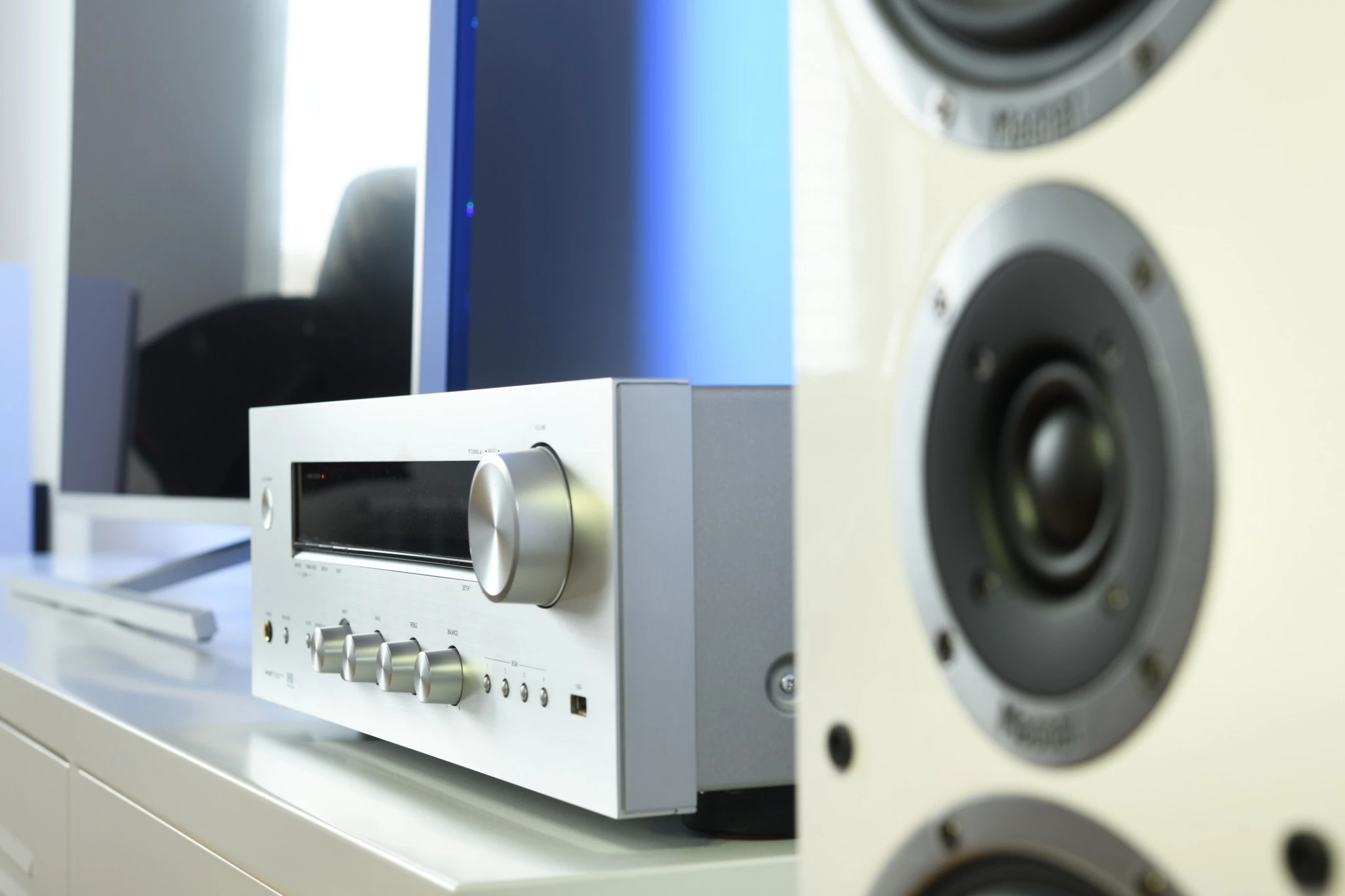
Mistake #1 – Upgrading Power Before Identifying the Bottleneck
The most common amplifier upgrade mistake is increasing power without confirming that power is the actual limitation. Many entry-level systems rarely operate near their amplifier’s output limits. If distortion, compression, or strain aren’t present at normal listening levels, adding more wattage may not change the result.
Systems plateau for different reasons. Speaker resolution, room reflections, source quality, and signal cleanliness often cap performance before amplification does. Replacing an amplifier without identifying that bottleneck can create the illusion of improvement while leaving the core limitation untouched.
Before committing to new hardware, it helps to understand what meaningful amplifier upgrades actually improve in a system. Power is only one variable — and often not the first one that needs attention.
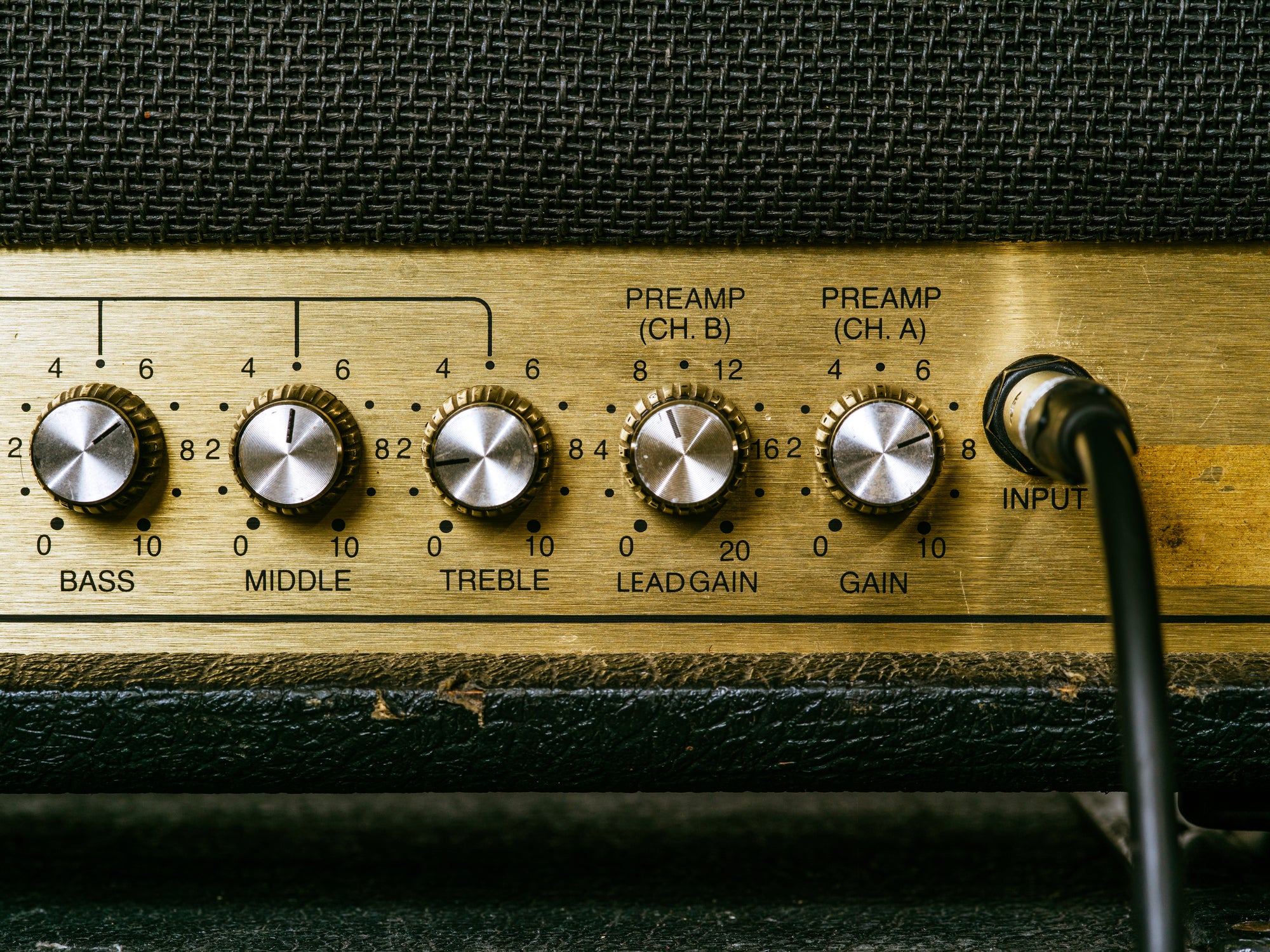
Identifying the true bottleneck requires listening critically and evaluating the entire signal chain. Upgrading in the wrong order can cost more while delivering less.
Mistake #2 – Chasing Wattage Instead of Clean Delivery
Another frequent amplifier upgrade mistake is assuming that higher wattage automatically produces better sound. While adequate power matters, once a system operates comfortably within its limits, increasing output ratings rarely transforms clarity or detail.
Clean Delivery Matters More Than Headline Numbers
What often improves sound quality is not additional wattage, but cleaner current delivery, lower distortion within normal listening levels, and stable performance during dynamic peaks. An amplifier that maintains composure and control at moderate volumes typically sounds more refined than a more powerful unit operating inefficiently.
Basic setup adjustments can sometimes reveal hidden performance. Learning how to calibrate amplifier settings correctly ensures the system operates within its optimal range before concluding that more wattage is required.
Mistake #3 – Ignoring Speaker Sensitivity and Room Size
Amplifier upgrade mistakes often begin with overlooking the two factors that shape performance the most: speaker sensitivity and room size. An amplifier does not operate in isolation. Its perceived output and control depend heavily on how efficiently speakers convert power into sound and how the room reinforces or absorbs that energy.
In smaller rooms, sound pressure builds quickly, and listening distances are short. Many systems reach satisfying volume levels using only a fraction of their rated output. Upgrading to a more powerful amplifier in these environments may change very little if the speakers are already operating comfortably within their design limits.
Matching remains critical. Understanding how to match your amplifier correctly to your speakers helps prevent unnecessary upgrades driven by misunderstanding sensitivity ratings or impedance behavior. Ignoring these fundamentals is one of the most expensive amplifier upgrade mistakes.
Mistake #4 – Upgrading Amplifier Before Speakers
Upgrading the amplifier before evaluating speaker capability is one of the most common sequencing errors. While amplifiers refine control and stability, speakers define resolution, tonal balance, and dynamic character. If speakers are the limiting factor, replacing the amplifier first rarely produces dramatic improvement.
Amplifiers cannot add extension or detail that the speakers themselves are unable to reproduce. In many entry-level systems, upgrading speakers delivers a far more noticeable change than upgrading electronics.
Correct upgrade order matters. When the weakest link remains untouched, new electronics simply reveal the same ceiling more clearly.
Mistake #5 – Overspending on Prestige Tiers Too Early
Prestige tiers create a powerful psychological pull. Higher price often signals higher performance, and it can feel safer to “buy up” rather than risk underbuying. But jumping into premium amplifier categories before the rest of the system is ready rarely delivers proportional gains.
In entry-level systems especially, improvements tend to scale with overall balance. When speakers, room acoustics, and source quality remain modest, allocating large portions of the budget toward prestige electronics creates imbalance rather than refinement. The result may sound different, but not meaningfully better.
Smart upgrades also consider longevity and maintenance. Before escalating into higher tiers, ensuring your existing equipment is properly cared for — including routine practices outlined in guides like how to clean and maintain your amplifier correctly — often restores performance that was assumed lost.
Overspending too early turns amplifier upgrades into status decisions rather than system decisions. Balanced progression almost always yields better long-term results.
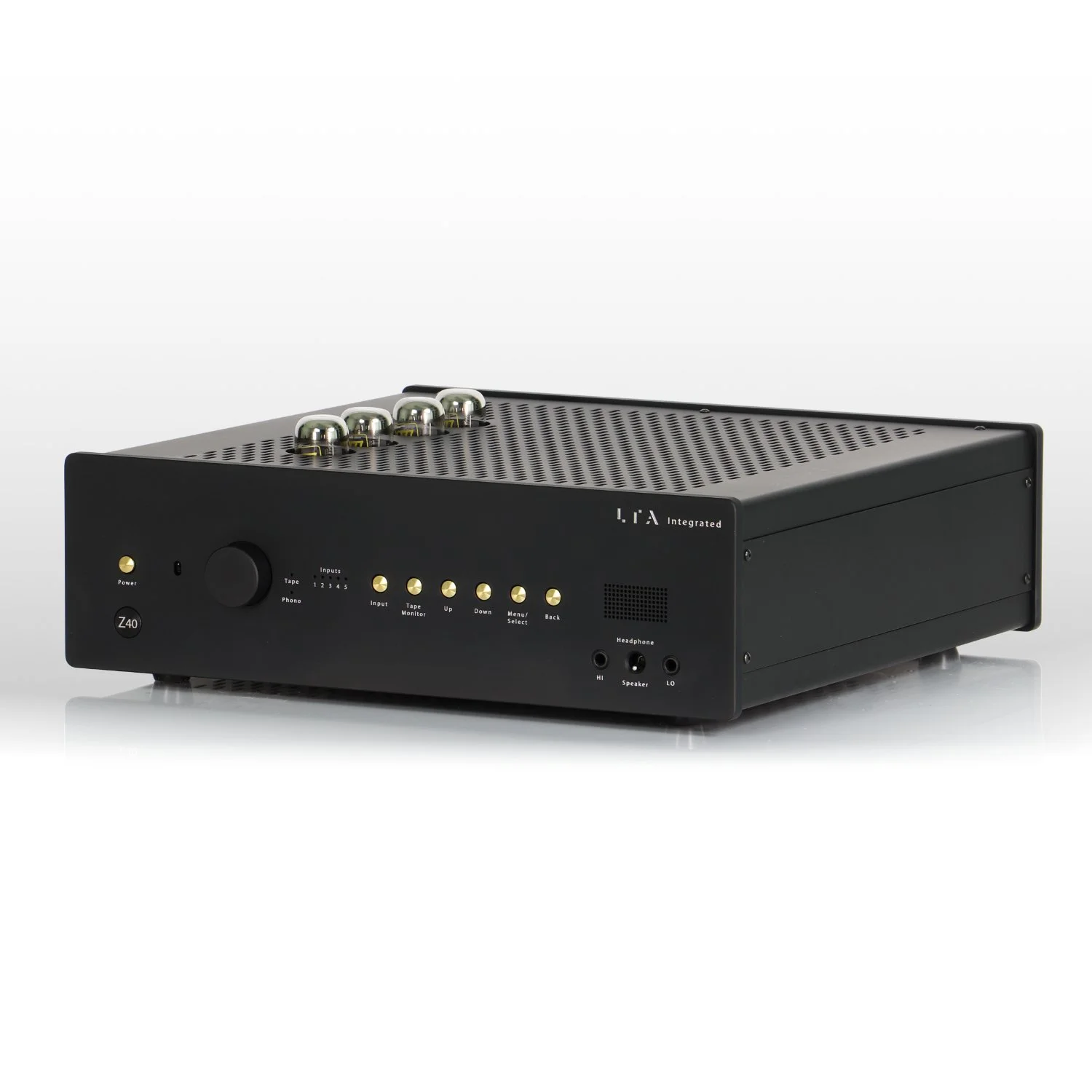
Avoiding Amplifier Upgrade Mistakes
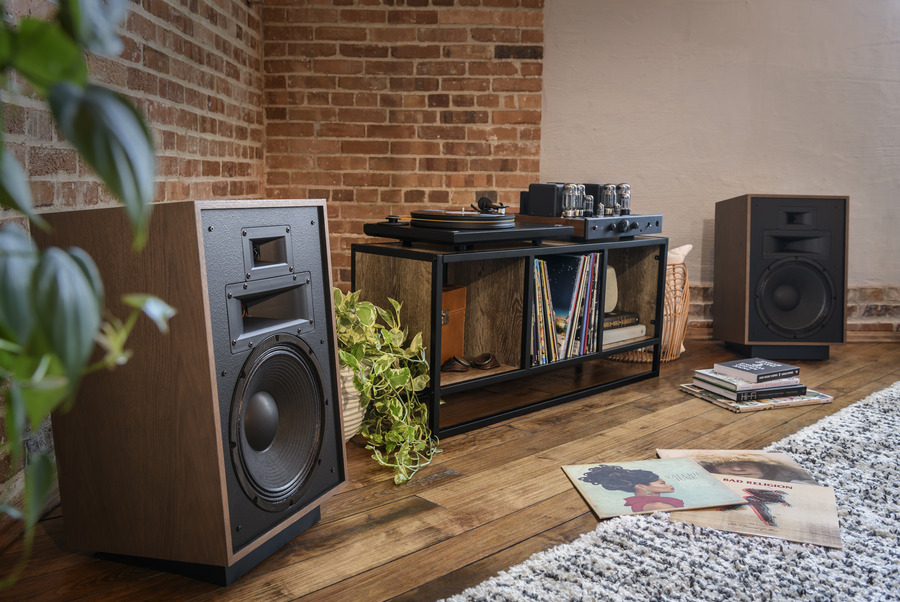
Most amplifier upgrade mistakes don’t come from buying the wrong product. They come from solving the wrong problem at the wrong time. When upgrades follow assumptions instead of system evaluation, improvements become unpredictable.
Power increases, prestige tiers, and specification comparisons feel like progress, but they only matter when they address a real limitation. Speaker sensitivity, room size, calibration, and matching often determine performance long before wattage becomes critical.
Avoiding amplifier upgrade mistakes means upgrading deliberately. Identify the bottleneck, confirm the need, and improve the system in balanced steps. Controlled progression consistently outperforms impulsive escalation.
FAQs About Amplifier Upgrade Mistakes
What is the most common amplifier upgrade mistake?
Does more wattage always improve sound quality?
Should I upgrade speakers before my amplifier?
Can calibration fix performance issues before upgrading?