
Many people start building a home audio system expecting a simple setup: buy speakers, connect them, and press play. But once you begin comparing passive and active speakers, the differences between them quickly become confusing. Some speakers plug directly into power outlets, while others require a separate amplifier before they produce any sound.
That difference usually comes down to whether the speakers are passive or active. While both types can deliver excellent sound, they work very differently inside a system. One relies on an external amplifier to drive the speakers, while the other includes amplification inside the speaker cabinet itself.
When comparing passive vs active speakers, the real distinction isn’t about which one sounds better — it’s about how the entire audio chain is designed. Understanding how each type handles amplification can help you choose the right setup for your listening space, equipment, and upgrade plans.
Passive speakers require an external amplifier to produce sound, while active speakers include built-in amplification inside the speaker cabinet.
Affiliate Disclosure: As an Amazon Associate, AmplifierZone may earn from qualifying purchases. This helps support our content at no additional cost to you.
- What Are Passive Speakers?
- What Are Active Speakers?
- Passive vs Active Speakers: Key Differences Explained
- Can You Use Passive and Active Speakers Together?
- Do Passive Speakers Always Need an Amplifier?
- When Active Speakers Make More Sense
- When Passive Speakers Are the Better Choice
- Quick Decision Guide: Passive vs Active Speakers
- Final Verdict
- FAQ
What Are Passive Speakers?
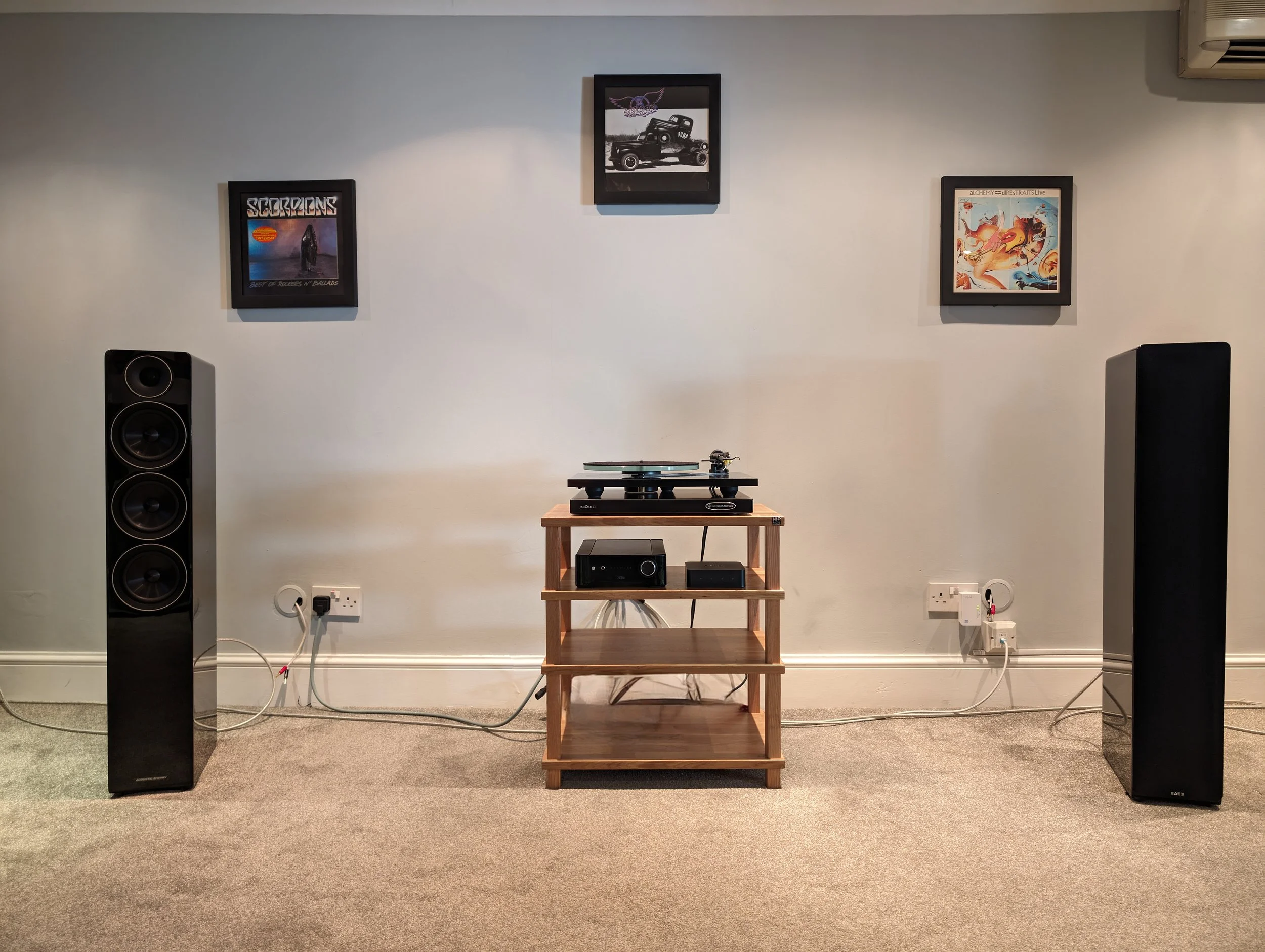
Passive speakers are the traditional type used in most home stereo systems. Unlike powered or active speakers, passive speakers do not contain their own amplification. Instead, they rely on an external amplifier or receiver to provide the power needed to move the speaker drivers and produce sound.
Inside a passive speaker cabinet you’ll typically find the drivers (woofers and tweeters) and a passive crossover network that divides the audio signal between them. What you won’t find is an amplifier. Because of that, passive speakers must receive a speaker-level signal from an external amp before they can operate.
In a typical system, the signal path looks something like this:
Source → Amplifier → Passive Speakers
Your source device — such as a streamer, CD player, or turntable — sends a low-level audio signal to the amplifier. The amplifier boosts that signal to a level powerful enough to drive the speakers, which then convert the electrical energy into sound.
Why Passive Speakers Are Common in Hi-Fi Systems
Most traditional hi-fi setups use passive speakers because separating the amplifier from the speakers gives you more control over the system. Instead of being locked into the electronics inside the speaker cabinet, you can choose an amplifier that matches your listening preferences and room size.
- Flexible upgrades — you can replace the amplifier or speakers independently
- Better system matching — different amplifiers pair differently with different speakers
- Long-term system tuning — adjustments can be made over time as your setup evolves
If you’re new to stereo systems, it helps to understand exactly how amplifiers power speakers, because that amplification stage is what allows passive speakers to produce full-range sound.

What Are Active Speakers?
Active speakers take a different approach to system design. Instead of relying on an external amplifier, active speakers include their own amplification inside the speaker cabinet. This means the speaker receives a low-level audio signal from your source device and amplifies it internally before sending power to the drivers.
Because the amplification is built into the speaker, the setup process is