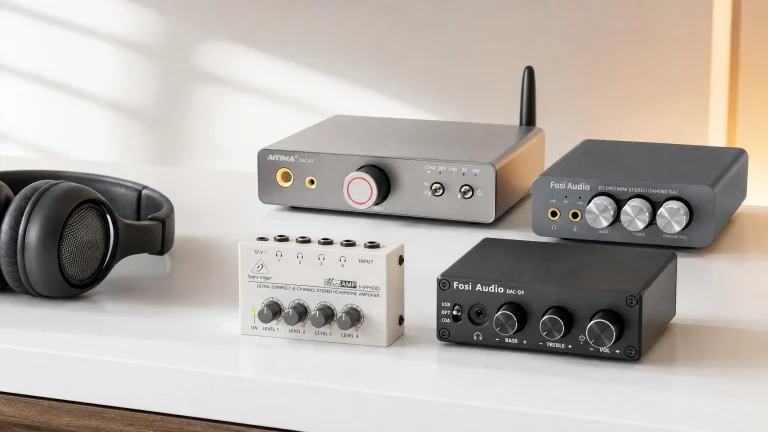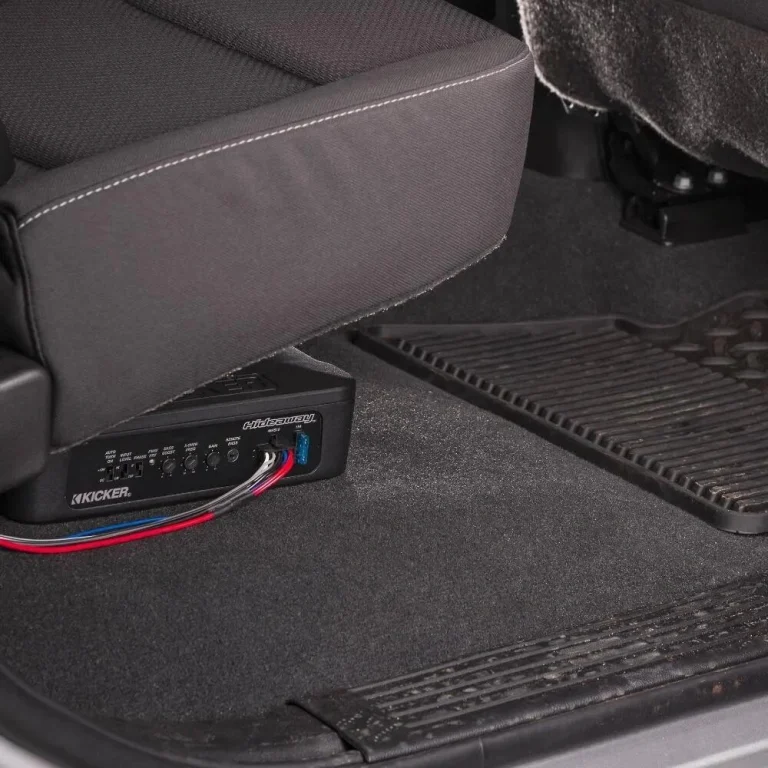
Upgrading an entry-level audio system can feel confusing. There are endless recommendations, higher wattage numbers, and premium models promising dramatic improvements. The instinct is often to replace the amplifier first — but that’s not always where meaningful improvement begins.
Most entry-level systems don’t suffer from a lack of power. They suffer from bottlenecks. That bottleneck might be speaker limitations, basic DAC stages, noisy signal paths, or simple system mismatches. Smart amplifier upgrades focus on solving those constraints rather than chasing specifications.
This guide breaks down practical amplifier upgrades that actually improve entry-level systems — without overspending on performance your setup can’t fully reveal.

Where Entry-Level Systems Usually Bottleneck
Entry-level systems rarely fail because of dramatic flaws. More often, they plateau because one component quietly limits everything else. That limitation might not be obvious at first, especially if the system already sounds “good enough.”
In many cases, the amplifier itself isn’t the weakest link. Speakers with limited resolution, basic digital-to-analog conversion stages, or placement constraints often cap performance before amplification does. Replacing an amplifier without identifying that bottleneck can create the illusion of progress without delivering meaningful change.
If you’re unsure whether your amplifier is truly the limiting factor, understanding when it actually makes sense to upgrade an amplifier helps clarify the decision. Upgrade timing matters more than upgrade price.
The goal is not to improve everything at once. It’s to identify what’s holding the system back and address that first. Amplifier upgrades make sense — but only when they remove a real constraint.
Upgrade Path #1 – Clean Power First
When an entry-level amplifier becomes the true bottleneck, the issue is rarely raw wattage. It’s usually about stability, current delivery, and how cleanly the amplifier operates within normal listening levels. Upgrading for clean power improves clarity and control rather than simply increasing loudness.
Why Clean Power Matters More Than More Power
Amplifiers that deliver stable current and maintain low distortion across their working range tend to sound more composed, especially during dynamic passages. The benefit isn’t dramatic volume jumps. It’s tighter bass control, clearer separation, and reduced strain at moderate listening levels.
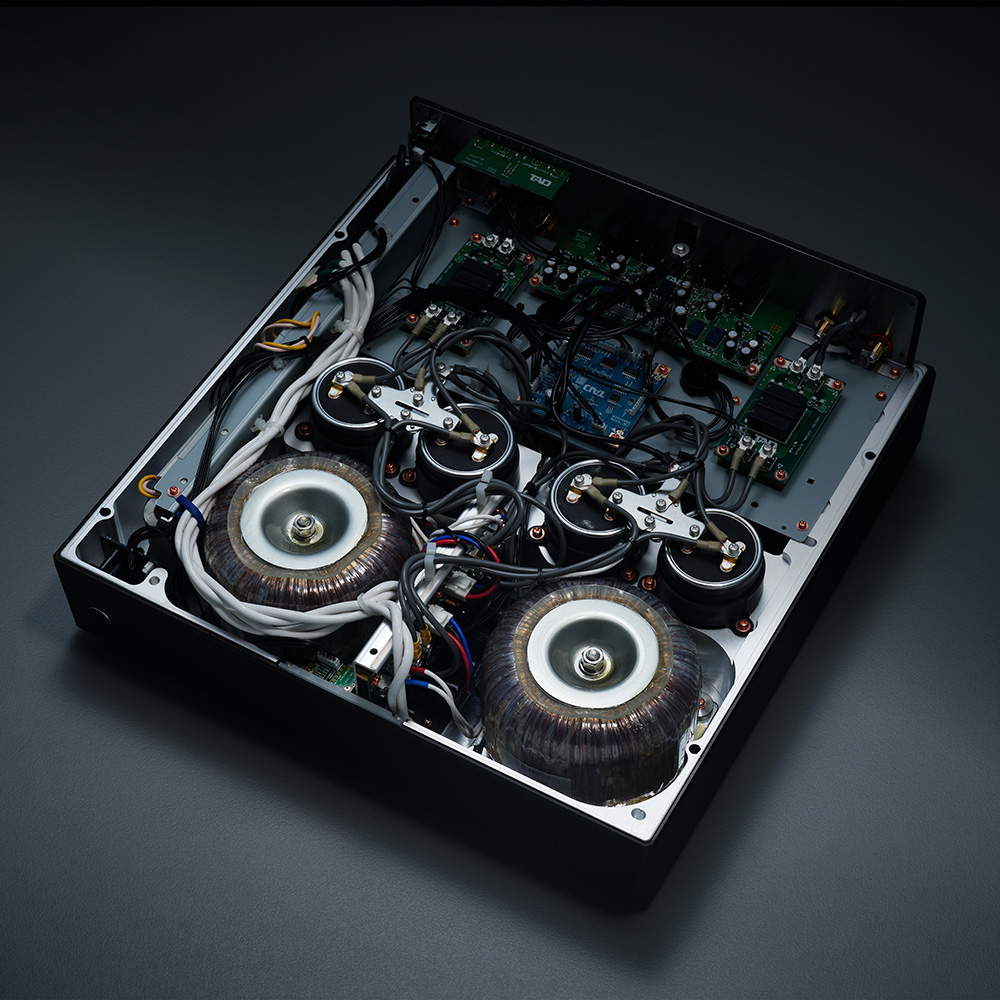
Many well-engineered models in accessible price ranges already offer this kind of improvement. Exploring options like stereo amplifiers under $500 that prioritize stable power delivery often reveals how refinement can increase without jumping into high-end pricing tiers.
Upgrade Path #2 – Control & Connectivity Improvements
Not all amplifier upgrades are about power delivery. In many entry-level systems, usability and signal handling create more noticeable improvements than wattage increases. Refining how the amplifier manages inputs, volume control, and digital conversion can elevate everyday listening without altering the system’s overall character.
A better internal DAC stage, improved volume precision, or a properly implemented phono input can reduce noise and increase clarity in subtle but meaningful ways. These changes don’t make the system louder — they make it cleaner and easier to use.
For example, if vinyl playback is part of your setup, upgrading to one of the integrated amplifiers with a well-designed phono input stage can simplify the signal path and improve consistency without adding external components.
Connectivity upgrades also reduce friction. More flexible input options and stable digital interfaces allow the system to adapt as listening habits evolve, making the upgrade feel practical rather than cosmetic.
When NOT to Upgrade Your Amplifier
Upgrading can feel productive, especially when improvement seems just one component away. But not every system limitation originates from amplification. Replacing the amplifier too early often leads to minimal audible change and unnecessary expense.
Speaker Limitations Come First
If your speakers struggle with resolution, dynamic range, or tonal balance, increasing amplifier quality won’t transform their core performance. Amplifiers can refine control and stability, but they cannot add detail or extension that the speakers themselves cannot reproduce.
Room placement and acoustics also play a larger role than many expect. Reflections, boundary reinforcement, and positioning can mask clarity or exaggerate certain frequencies. In these cases, addressing setup fundamentals typically yields greater improvement than upgrading electronics.
There’s also a psychological element. The desire to “level up” equipment can override practical evaluation. If the current amplifier operates cleanly within normal listening levels, upgrading may change ownership satisfaction more than audible performance.
Budget Allocation Strategy for Smarter Amplifier Upgrades
Upgrading intelligently means thinking in percentages rather than impulses. Instead of replacing a single component with the most expensive option available, consider how each part of the system contributes to overall performance. Entry-level systems benefit most from balanced improvements rather than dramatic single-component leaps.
If speakers account for the majority of what you hear, allocating a larger portion of your budget there often makes more sense than doubling amplifier cost. Amplifier upgrades should complement system capability, not exceed it by a wide margin.
For listeners considering structural changes — such as separating preamplification and power stages — exploring options like dedicated home audio power amplifiers can clarify when moving beyond an integrated design becomes logical. This step typically makes sense only after the rest of the system has matured.
Strategic allocation reduces regret. When upgrades follow system balance instead of prestige tiers, improvements feel proportional and sustainable.
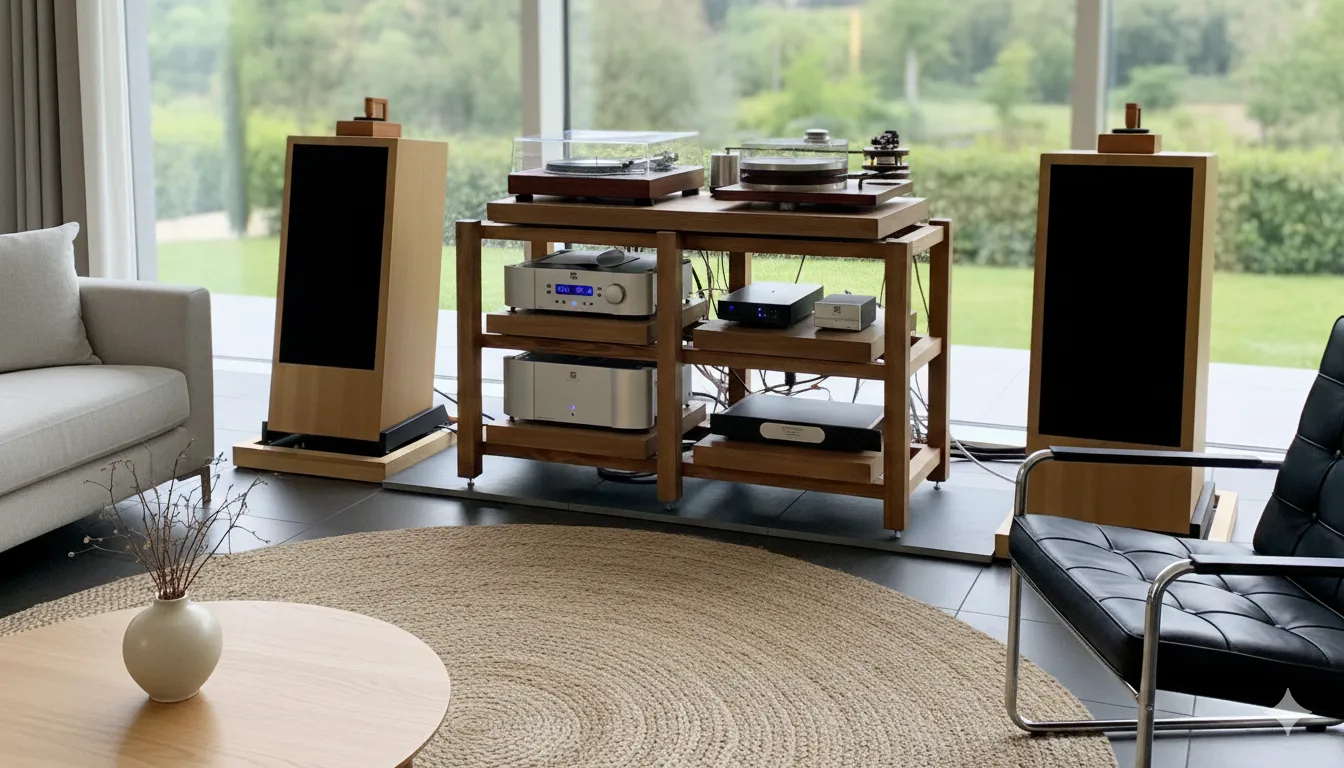
Best Amplifier Upgrades for Entry-Level Systems
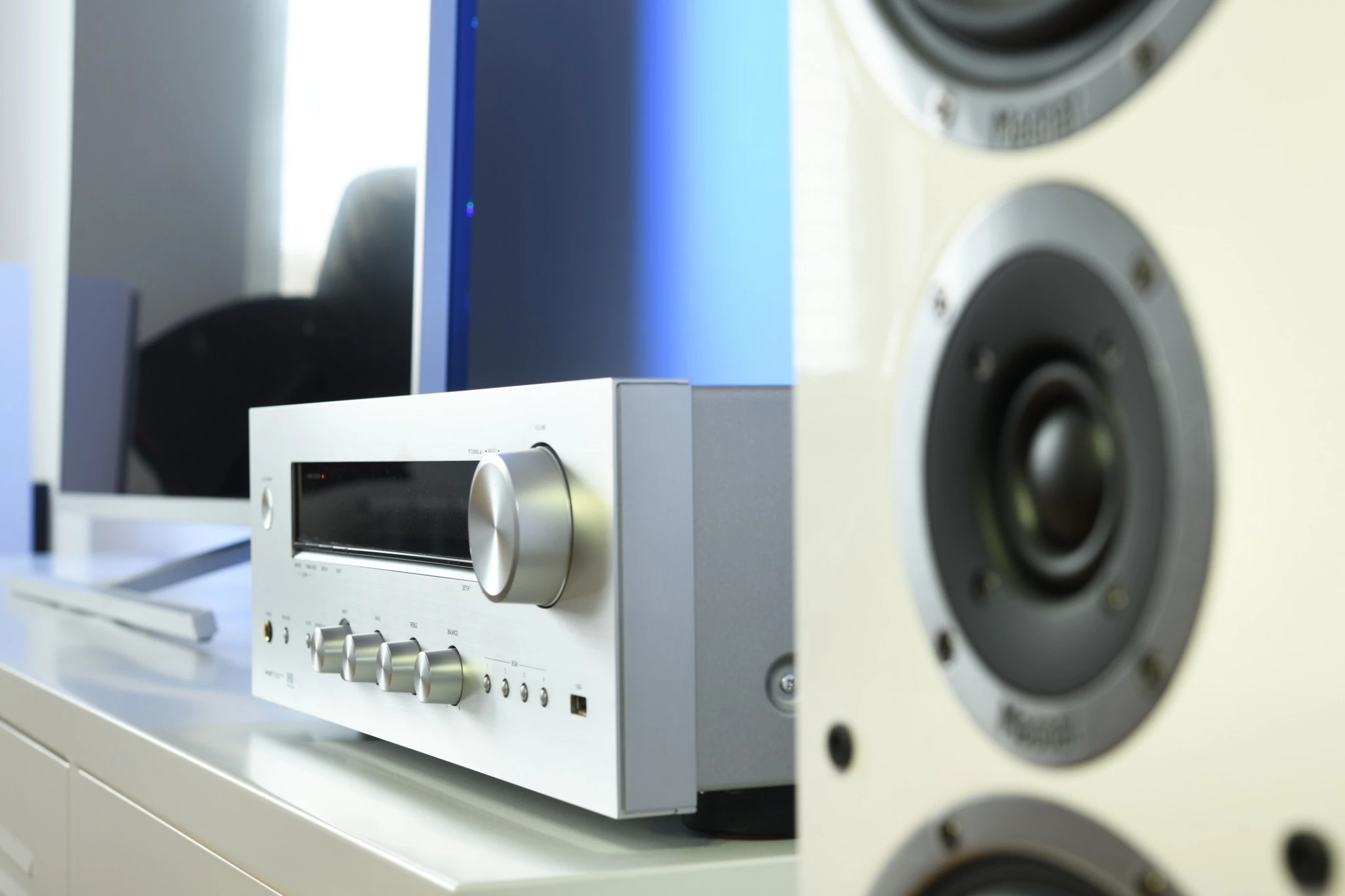
The best amplifier upgrades for entry-level systems are rarely about chasing higher wattage or prestige tiers. They’re about identifying what limits the system and addressing that specific constraint first.
Sometimes that means improving clean power delivery. Other times it means refining signal handling, adding better connectivity, or realizing that speakers and placement deserve attention before electronics. Amplifier upgrades work best when they follow system maturity rather than impulse.
In the end, controlled improvements outperform dramatic leaps. When upgrades align with bottlenecks instead of marketing narratives, progress feels measurable, balanced, and worth the investment.
FAQs About Amplifier Upgrades
Should I upgrade my amplifier or speakers first?
How much power do entry-level systems really need?
Do expensive amplifiers improve clarity?
When is a separate power amplifier worth it?