Most upgrade decisions don’t fail because the equipment is bad. They fail because the wrong part of the system gets upgraded first. A new component goes in, expectations are high, and after a few days the sound feels… mostly the same.
This is especially common when deciding between a DAC upgrade and an amplifier upgrade. Both play important roles, both affect sound quality, and both are often recommended as “the next step.” But they influence a system in very different ways, and the impact isn’t always obvious without understanding where the real bottleneck lives.
What makes the decision harder is that DACs and amplifiers rarely operate in isolation. They work together, shaping the signal before it ever reaches the speakers. If you’re unsure how those roles interact in a real system, it helps to first understand how a DAC is used with an amplifier before deciding which upgrade actually makes sense.
This guide isn’t about chasing specifications or promising instant transformation. Instead, it’s designed to help you identify where meaningful improvements are most likely to come from — based on your system, your listening habits, and what you’re actually trying to fix.
- Why “Better Sound” Is Harder to Hear Than People Expect
- What a DAC Upgrade Actually Changes
- What an Amplifier Upgrade Changes Instead
- Why One Upgrade Feels Subtle — and the Other Doesn’t
- When a DAC Upgrade Makes More Sense
- When an Amplifier Upgrade Delivers More Impact
- The Regret Most People Have After Upgrading
- So… DAC or Amplifier First?
- FAQs About DAC vs Amplifier Upgrades
Why “Better Sound” Is Harder to Hear Than People Expect
Most people associate better sound with loudness. Turn the volume up, add more power, or buy a higher-rated component, and the expectation is that improvement will be obvious. But loudness and clarity are not the same thing, and confusing the two is where many upgrade decisions start going wrong.
There’s also the way our brains adapt. Once you live with a system for a while, its sound becomes the baseline. Small improvements don’t arrive with fireworks — they arrive quietly, and often feel underwhelming at first because your ears adjust faster than your expectations.

This is why upgrades can feel disappointing. Not because they don’t work, but because they don’t rewrite the system overnight. Instead of transforming the sound, they tend to expose what was already holding it back — room acoustics, speakers, or the limits of another component that now stands out more clearly.
What a DAC Upgrade Actually Changes
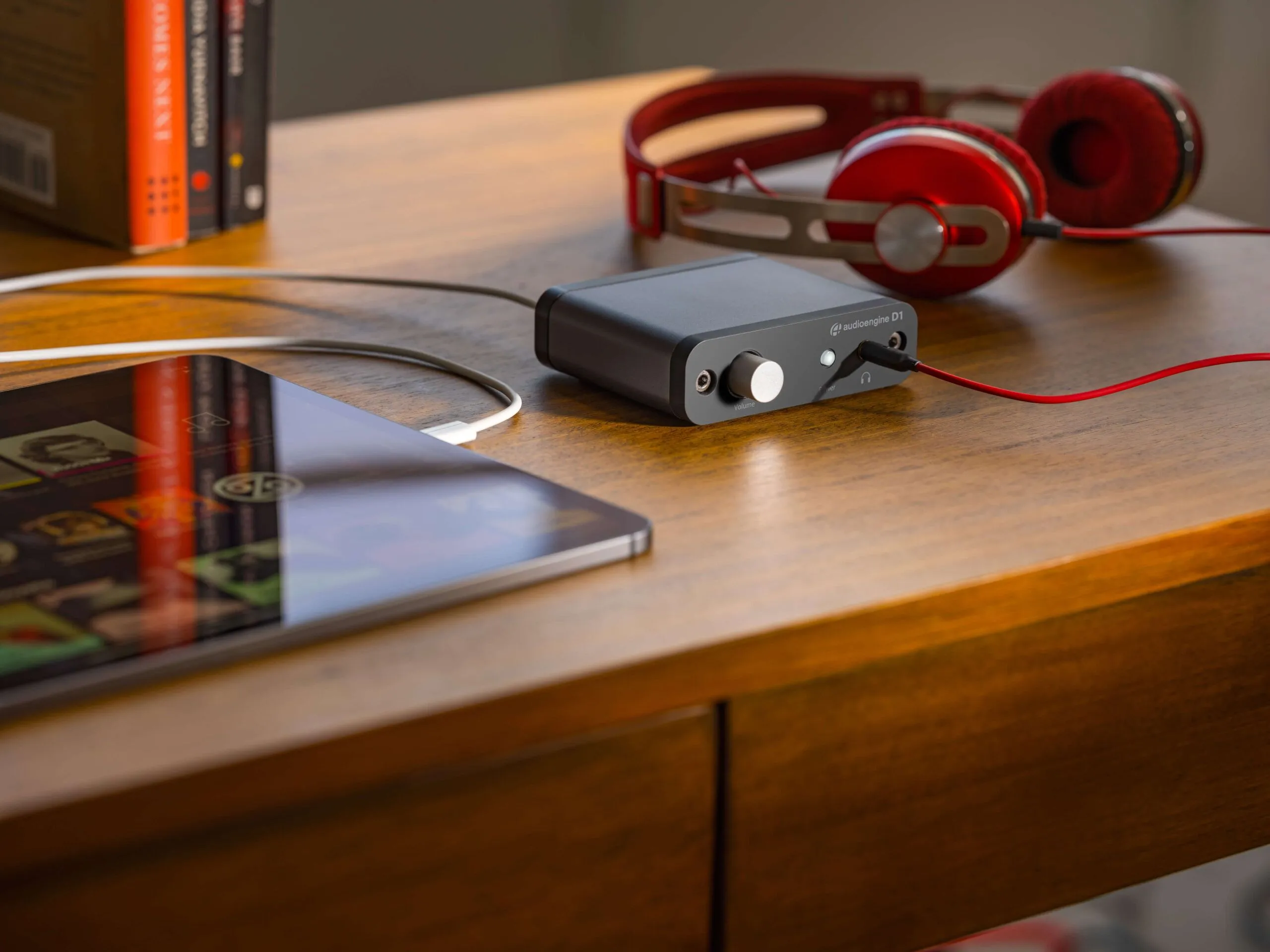
A DAC’s role is narrow but important. It converts digital data into an analog signal your amplifier can work with, managing timing, noise, and signal accuracy along the way. A better DAC doesn’t change the character of your system — it reduces small errors that accumulate before amplification even begins.
Where DAC upgrades tend to show their value is in refinement. Background noise drops, imaging becomes more stable, and subtle details feel easier to follow. These improvements are often easier to notice once you’re confident everything is connected and configured correctly, which is why guides like how to connect a DAC to an amp help set realistic expectations.
DAC upgrades matter most in digital-heavy systems. If most of your listening comes from streaming, computers, or external digital sources, the quality of conversion plays a bigger role. In simpler terms, the more digital your system is, the more influence a DAC can have — even if that influence remains subtle rather than dramatic.
What an Amplifier Upgrade Changes Instead
An amplifier upgrade affects a system in a fundamentally different way than a DAC. While DACs refine the signal, amplifiers determine how confidently that signal is delivered. This isn’t just about volume — it’s about control, stability, and how easily speakers are driven as music becomes more demanding.
Better amplification changes how speakers behave. Dynamics feel less compressed, bass notes start and stop with more authority, and complex passages hold together instead of sounding strained. Even at moderate listening levels, a capable amplifier can make a system feel calmer and more composed because it isn’t operating near its limits.
This is why amplifier upgrades often feel more obvious. They influence the physical interaction between electronics and speakers, not just the quality of the signal itself. When control improves, the entire presentation can feel more relaxed and effortless — especially during longer listening sessions.
Why One Upgrade Feels Subtle — and the Other Doesn’t
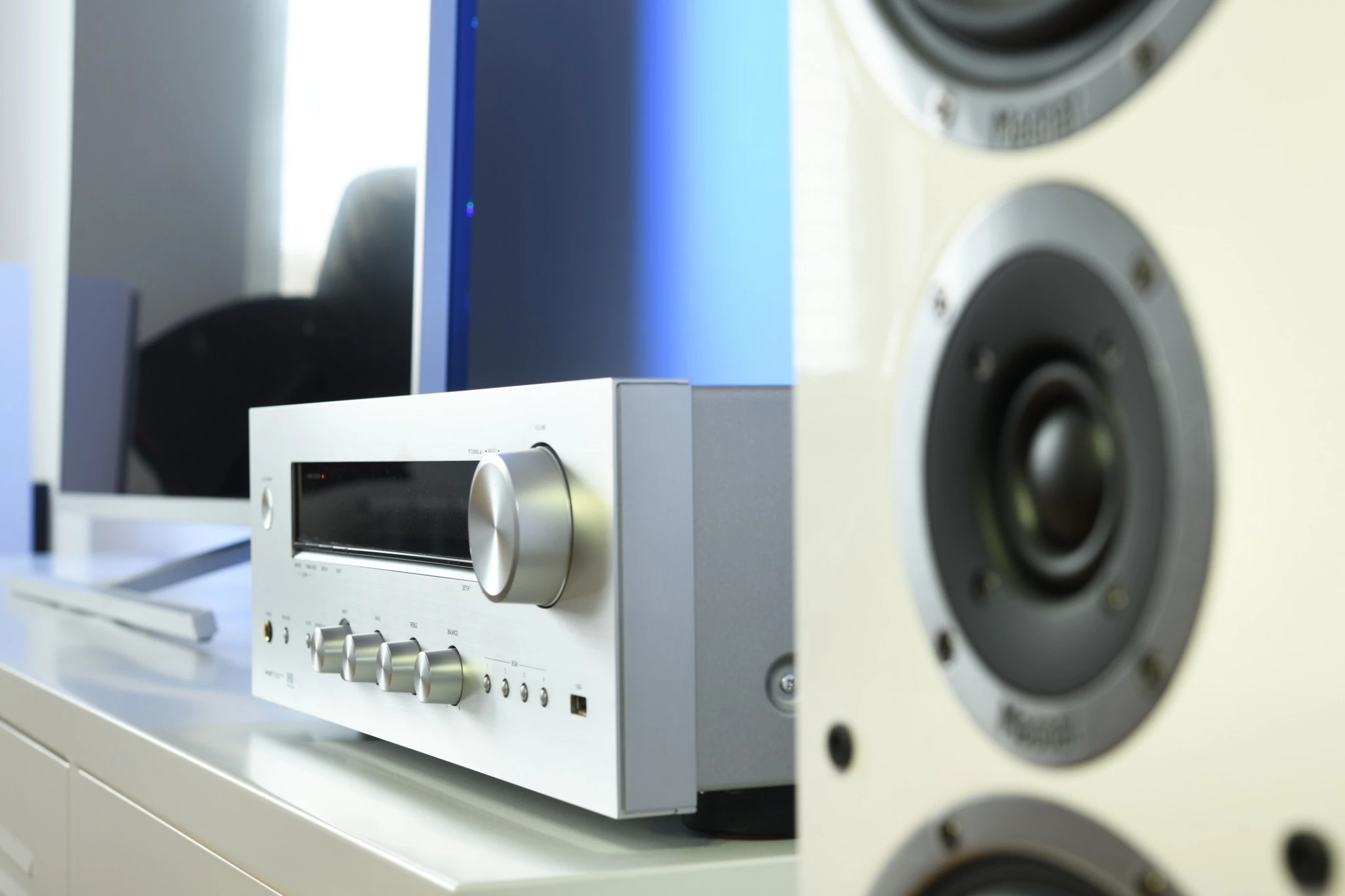
One reason DAC and amplifier upgrades feel so different comes down to where they sit in the signal chain. A DAC works upstream, shaping the signal before it ever reaches the speakers. An amplifier works downstream, directly influencing how that signal is converted into sound in the room.
Amplifiers interact with speakers and rooms in a very physical way. If a speaker is difficult to drive, or the room absorbs energy unevenly, an amplifier upgrade can immediately change how controlled and stable the system feels. Those changes are easier to notice because they affect dynamics, bass grip, and overall ease.
DAC improvements tend to be quieter by comparison. They reduce noise, improve timing, and clean up subtle distortions, but they don’t change the system’s physical behavior. That’s why DAC gains often reveal themselves over time, through better separation, smoother textures, and less listening fatigue rather than instant “wow” moments.
When a DAC Upgrade Makes More Sense
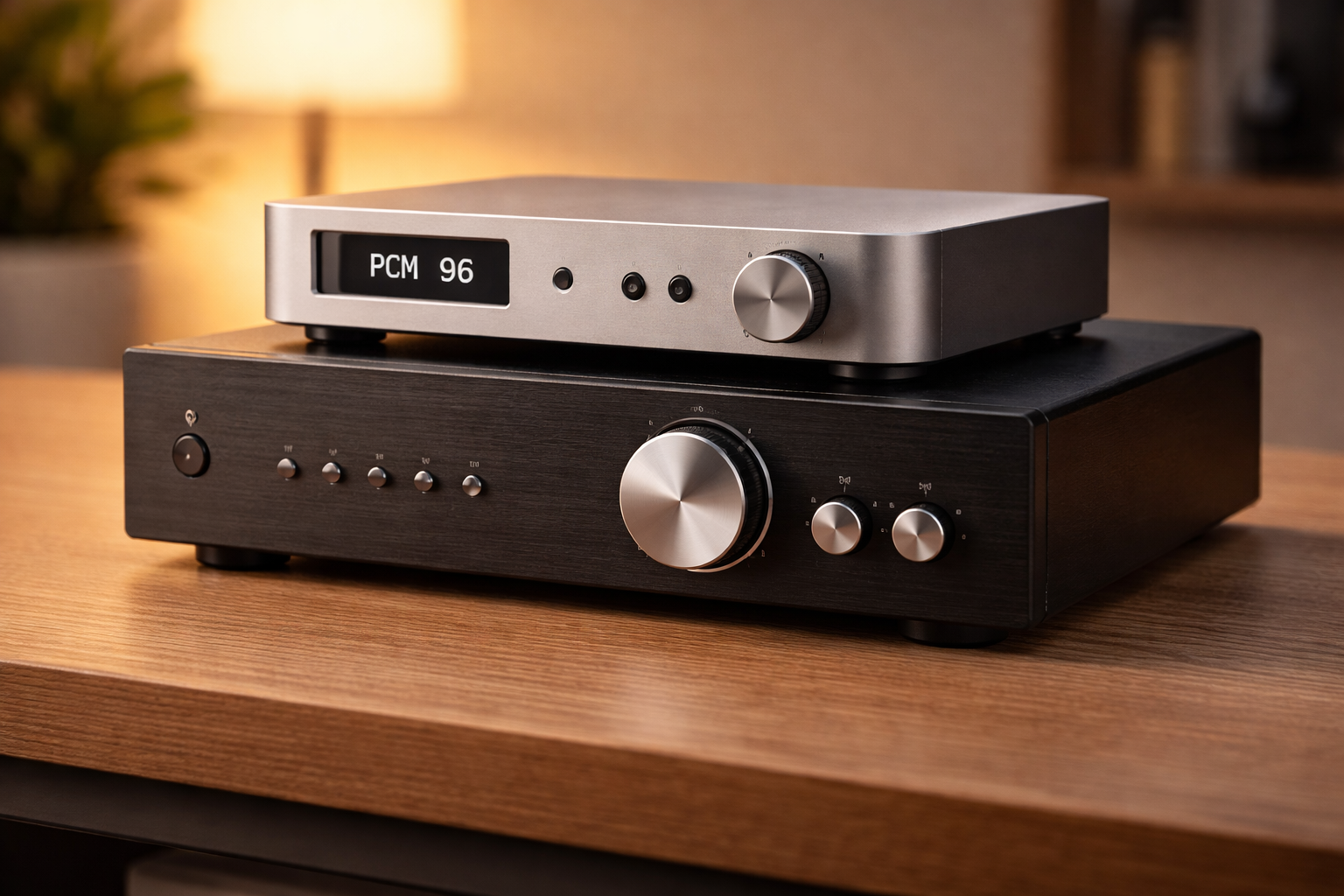
A DAC upgrade tends to make the most sense in systems where digital sources dominate. If most of your listening comes from streaming services, computers, or network players, the quality of digital-to-analog conversion plays a larger role in what you hear. In these setups, the DAC becomes the gateway through which all sound passes.
Entry-level DACs, especially those built into budget streamers or older devices, can introduce limitations that become more noticeable as the rest of the system improves. Noise, timing inaccuracies, or a flat presentation may not stand out at first, but they can subtly cap the system’s potential once speakers and amplification are capable of more.
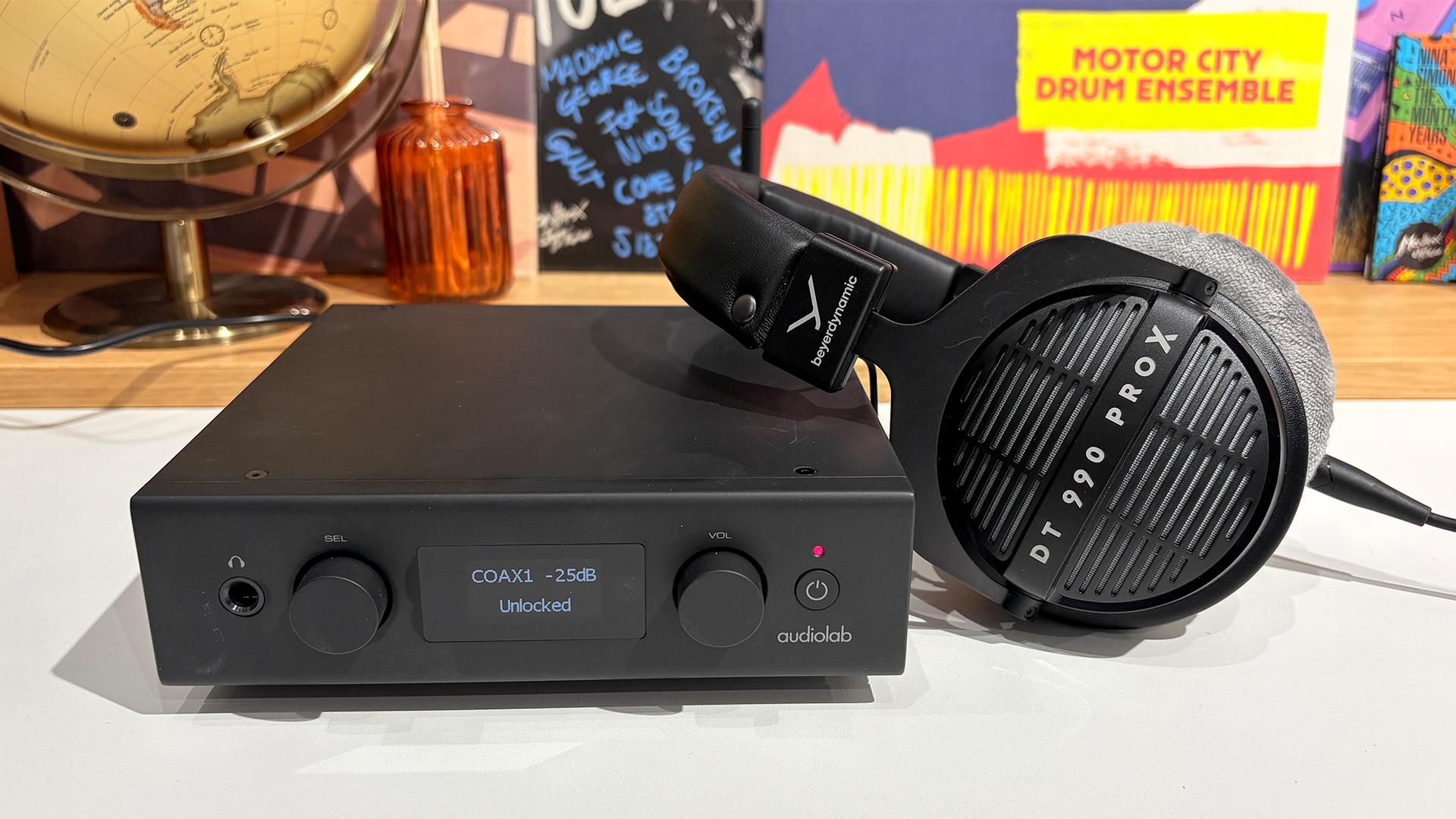
A DAC-first upgrade also appeals to listeners who value convenience and flexibility. External DACs can improve multiple sources at once and often integrate easily into existing setups. For those exploring compact or hybrid solutions, options discussed in guides like best Bluetooth DAC amps can offer a practical way to refine digital sound without rebuilding the entire system.
When an Amplifier Upgrade Delivers More Impact
An amplifier upgrade often delivers the biggest improvement when speakers are being under-driven. If bass feels loose, dynamics flatten during louder passages, or the system sounds strained when music gets complex, the issue is usually control rather than signal quality. In these cases, even a capable DAC can’t compensate for an amplifier that’s working at its limits.
Listening fatigue is another common signal. When an amplifier lacks headroom, it tends to compress dynamics and blur transients, making longer sessions feel tiring rather than immersive. Upgrading amplification can restore a sense of ease, allowing music to breathe without sounding forced or congested.
An amplifier upgrade also makes sense when thinking long term. A stable, capable amp becomes the foundation of the system, supporting future speaker changes or source upgrades without becoming the bottleneck.
The Regret Most People Have After Upgrading
The most common regret after an upgrade isn’t choosing the wrong component. It’s expecting the upgrade to change everything. When improvements are framed as transformations instead of refinements, even real gains can feel disappointing once the initial excitement fades.
Another frequent mistake is chasing specifications instead of bottlenecks. Numbers go up, features improve, and reviews sound convincing, but the core limitation of the system remains untouched. In those cases, the upgrade works exactly as designed — it just doesn’t solve the problem the listener actually had.

Upgrading the wrong component first is where frustration usually settles in. A better DAC won’t fix speakers that lack control, and a stronger amplifier won’t reveal detail that never reaches it. The system improves in isolation, but the listening experience doesn’t move forward in a meaningful way.
Most people only recognize this after spending time with the new gear. That learning curve isn’t wasted — it builds awareness. Understanding how each part of the system contributes makes future decisions clearer and far more satisfying.
So… DAC or Amplifier First?
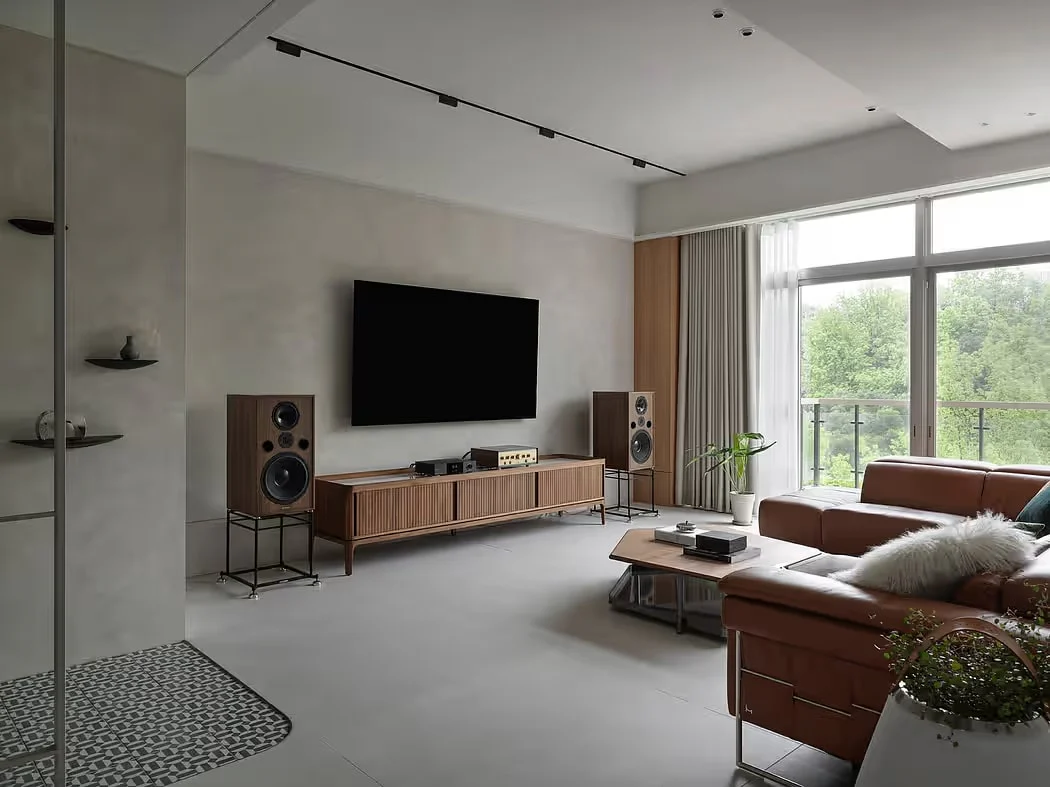
By the time this question comes into focus, the real issue usually isn’t DAC versus amplifier. It’s understanding what your system is asking for. Upgrades don’t add magic — they remove friction where it already exists.
There is no universal rule. In some systems, a cleaner digital signal unlocks clarity that was already waiting downstream. In others, better amplification restores control and ease that no source upgrade could provide. Both paths are valid when they address the right limitation.
If you want a simple way to decide, listen for strain. If the system sounds tense, compressed, or fatiguing, amplification is often the answer. If it sounds controlled but flat or opaque, the DAC may be holding things back. Choose the upgrade that solves a problem you can actually hear — not the one that promises the biggest change on paper.
FAQs About DAC vs Amplifier Upgrades
Should I upgrade my DAC or amplifier first?
It depends on where your system is limited. If your speakers sound strained, compressed, or fatiguing, an amplifier upgrade often delivers a clearer improvement. If the system feels controlled but lacks clarity or openness, a DAC upgrade may make more sense.
Will a DAC upgrade make my system louder?
No. A DAC does not increase volume or power. Its impact is usually heard in clarity, separation, and noise reduction rather than loudness. If volume or impact is the issue, amplification is the more relevant upgrade.
Can a better amplifier improve digital sound?
Yes. Even though an amplifier doesn’t process digital data, it controls how that signal is delivered to the speakers. Better amplification can improve dynamics, stability, and ease, which often makes digital sources sound more natural and engaging.
Are DAC upgrades worth it for streaming?
They can be. Many built-in DACs inside streamers, TVs, or budget components are functional but limited. An external DAC can improve clarity and consistency, especially in systems where amplification and speakers are already well matched.
How do I know what my system’s bottleneck is?
Listen for what breaks first. If the sound hardens or collapses when music becomes complex, the amplifier is often the bottleneck. If everything sounds controlled but dull or veiled, the digital source may be the limiting factor.
Is upgrading both at once a mistake?
Not always, but it often makes it harder to understand what actually helped. Upgrading one component at a time allows you to hear its effect clearly and avoid unnecessary spending. Sequential upgrades usually lead to better long-term system balance.