Most amplifiers don’t fail suddenly. Instead, they slowly stop keeping up. The system still plays music, the speakers still work, yet something feels off — bass loses authority, volume feels fatiguing, and the system no longer sounds confident at levels it once handled easily. This is usually the moment people start wondering whether it’s time to upgrade the amplifier.
What makes this decision difficult is that amplifiers rarely give obvious warnings. Unlike speakers, they don’t tear or buzz. Unlike sources, they don’t glitch or drop out. They simply reach a point where they can no longer support the system as it evolves — whether due to heat stress, power limitations, or changing listening demands.
This guide explains when you should upgrade your amplifier and, just as importantly, when you shouldn’t. Instead of focusing on specs or brand hype, we’ll look at real-world signs, system behavior, and practical decision points that help you upgrade with confidence rather than guesswork.
- When an Amplifier Stops Being Enough
- The Signs You Hear Before You See Anything Wrong
- Why Power Ratings Rarely Explain the Problem
- Heat, Fatigue, and the Quiet Decline
- When System Changes Force the Upgrade Question
- Repair, Delay, or Upgrade?
- Final Verdict: When Upgrading Makes Sense
- Frequently Asked Questions
When an Amplifier Stops Being Enough
Most amplifiers don’t fail in a dramatic way. They keep turning on, they keep playing music, and they appear to function normally. Because of this, many systems operate for years with an amplifier that technically works — but no longer truly supports the rest of the setup.
There is an important difference between an amplifier that is working, one that is adequate, and one that is genuinely supportive. A working amplifier produces sound. An adequate amplifier can drive the speakers without obvious distortion. A supportive amplifier does more than that — it maintains control, stability, and consistency as music becomes more demanding.
When an amplifier begins to fall behind, the change is subtle. Music may still sound fine at low levels, but dynamics flatten sooner. Bass feels less controlled. Complex passages feel congested. These are not failures; they are signs that the amplifier has reached its performance ceiling.
This is why amplifiers rarely announce their own obsolescence. They don’t stop working — they stop scaling. The system asks for more than the amplifier can comfortably deliver, and the amplifier responds by compressing, straining, or losing composure rather than shutting down.
Total failure is the final stage, not the beginning. By the time sound disappears entirely — a situation covered in our guide on fixing an amplifier with no sound — the amplifier has already been limiting the system for a long time. Recognizing the earlier stage gives you control instead of forcing a rushed decision.
The Signs You Hear Before You See Anything Wrong
Amplifier-related limitations usually show up in the sound long before anything looks wrong. There are no warning lights, no error messages, and no sudden failures — just small behavioral changes that slowly become part of the listening experience.
- Loss of authority, not volume. The system can still get loud, but it no longer sounds confident when it does. Music feels thinner or less grounded as levels rise.
- Bass is present but uncontrolled. Low frequencies don’t disappear, yet they feel looser, slower, or less defined than they used to, especially during complex passages.
- Music feels “busy” sooner than before. Tracks with layered instruments start to blur together at moderate levels, even though nothing is obviously distorted.
- You stop turning it up — not because it’s loud, but because it’s tiring. Listening fatigue replaces enjoyment, and the system feels less inviting over time.

What makes these signs easy to overlook is that they don’t feel like malfunctions. The system still works, songs still play, and nothing appears broken. The change is experiential rather than technical.
When multiple signs appear together, they usually point to an amplifier that is operating near or beyond its comfortable limits. At that stage, the system isn’t failing — it’s quietly asking for more support than it can provide.
Why Power Ratings Rarely Explain the Problem
When amplifier performance feels limited, power ratings are usually the first thing people question. Wattage numbers seem like a straightforward explanation — more watts should mean more authority, better control, and fewer limitations. In practice, this assumption often leads buyers in the wrong direction.
Power Delivery vs Usable Control
Wattage describes how much power an amplifier can produce under specific test conditions. It does not describe how confidently that power is delivered when music becomes complex, dynamic, or sustained over time. Two amplifiers with similar power ratings can behave very differently once real speakers and real listening conditions are involved.
Usable control comes from how an amplifier manages current delivery and maintains headroom. When an amplifier has sufficient electrical margin, it responds to musical peaks without hesitation or compression. When that margin is missing, the amplifier may still reach the same volume levels, but it does so with less composure and less stability.
This is why systems can feel strained even when the amplifier appears powerful enough on paper. As volume increases, the issue is not loudness itself — it’s the amplifier’s ability to stay relaxed and controlled while delivering that loudness. This distinction explains why many listeners upgrade away from high-wattage amplifiers that never truly solved the underlying problem.
In these situations, people often move toward designs known for better control rather than higher numbers. That shift is reflected in the kinds of models typically found among the best amplifier upgrades, where stability and headroom matter more than headline wattage figures.
Heat, Fatigue, and the Quiet Decline
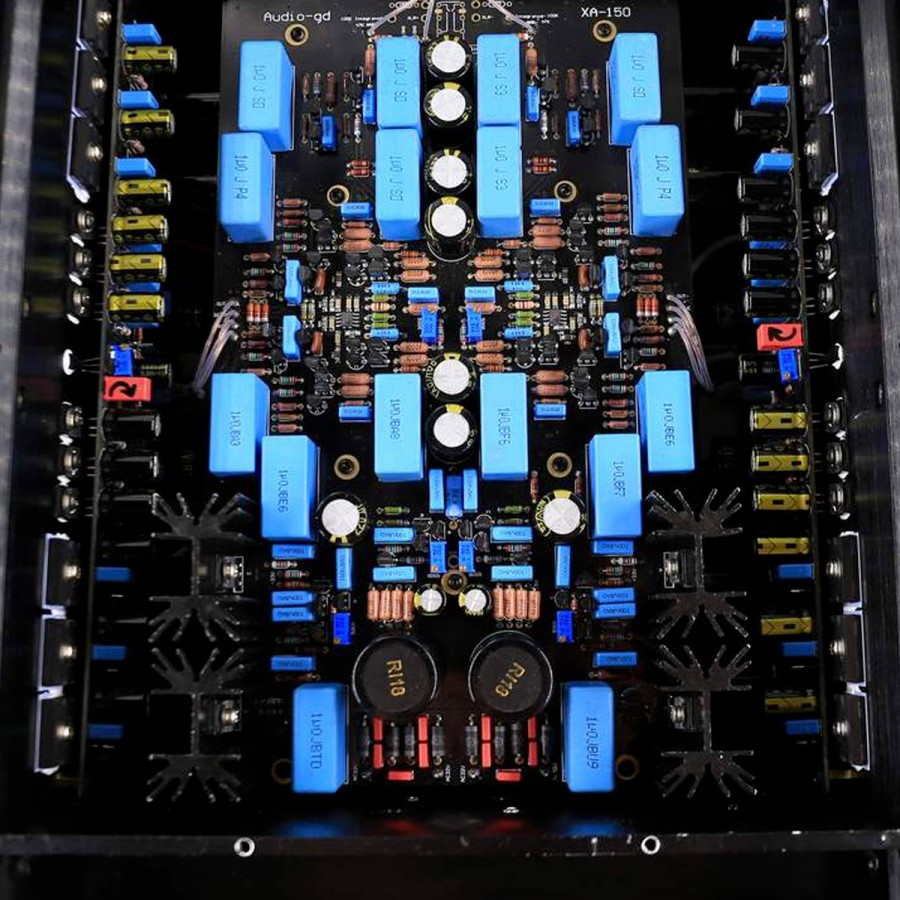
Heat is one of the most underestimated causes of amplifier decline. Unlike sudden electrical failures, thermal stress works slowly. Each listening session adds a small amount of strain, and over time that strain accumulates in ways that are easy to overlook.
As components heat up and cool down repeatedly, their operating margins shrink. Capacitors age faster, solder joints weaken, and power delivery becomes less stable. None of this causes an immediate failure, but it gradually reduces the amplifier’s ability to respond cleanly and confidently to musical demands.
Many amplifiers include protection circuits, but these systems are designed to prevent catastrophic damage — not to preserve sound quality. They often activate only when temperatures become extreme. Long before that point, thermal stress can flatten dynamics, soften bass control, and increase listening fatigue without triggering any obvious warning.
This is why heat-related decline is often misdiagnosed. The amplifier still works, it still plays music, and it may never shut down unexpectedly. Yet the sound becomes less composed, especially during longer sessions or at higher volumes. What feels like a subtle loss of energy is often the result of an amplifier operating outside its comfortable thermal range.
At this stage, the decision is no longer about chasing better sound. It becomes a question of stability and longevity. Addressing ventilation or placement may help temporarily, but persistent heat usually signals that the amplifier is being asked to do more than it was designed for. Our guide on fixing amplifier overheating problems explains how to identify this threshold and when corrective steps are no longer enough.


When System Changes Force the Upgrade Question
Amplifier upgrades are often triggered not by failure, but by change. As the rest of the system evolves, the amplifier may quietly become the limiting factor without ever breaking outright.
New speakers can expose limitations immediately. What once sounded balanced may now feel underpowered or less controlled as the amplifier struggles to adapt to different electrical demands.
A larger or more open room increases the workload on the amplifier. Music needs to fill more space, and the lack of headroom becomes noticeable sooner, especially during dynamic passages.
A better source can reveal weaknesses that were previously masked. Improved detail and dynamics upstream make amplifier limitations easier to hear rather than harder.
Longer listening sessions change the equation entirely. What sounds fine for short periods may become fatiguing or inconsistent when the amplifier is asked to perform comfortably for hours at a time.
Before committing to an upgrade, it’s worth confirming that the issue isn’t configuration-related. A proper check of gain structure and system balance, such as outlined in our guide on calibrating amplifier settings, can rule out setup issues that mimic amplifier limitations.
Repair, Delay, or Upgrade?
Not every amplifier issue requires an immediate upgrade. In some cases, repair is a sensible and cost-effective choice — especially when the amplifier has strong fundamentals and the problem is isolated, predictable, and inexpensive to fix.
Repair makes sense when the amplifier still operates comfortably within its design limits and the fault does not relate to power delivery, thermal stress, or long-term stability. Replacing a worn connector or addressing a minor component failure can restore full performance without changing the system’s balance.
Delay becomes the default option when problems feel inconvenient but not urgent. This is where many systems linger for years — functional, but increasingly compromised. Temporary fixes may restore confidence briefly, but they rarely address the underlying limitations that caused the problem in the first place.
“It still works” is not a strategy. An amplifier can continue playing music while quietly limiting dynamics, increasing fatigue, and narrowing the system’s comfort zone. At that point, repair often becomes a way of postponing replacement rather than extending meaningful performance.
An upgrade is justified when the amplifier no longer supports the system consistently — regardless of whether it technically functions. When control, stability, and listening comfort decline together, replacing the amplifier becomes a proactive decision rather than a reaction to failure.
If you prefer a quick checklist instead of a full breakdown, this guide on when to upgrade your amplifier summarizes the key signs in a simpler format.

Final Verdict: Upgrade When the Amplifier Limits the System
Upgrading an amplifier is rarely about chasing better sound in isolation. It is about restoring balance to a system that no longer feels fully supported. When an amplifier can’t keep up with the speakers, the room, or the way you listen, the system loses its sense of ease — even if nothing has technically failed.
A well-matched amplifier brings consistency back into focus. Music feels composed at different volumes, dynamic passages arrive without strain, and longer listening sessions remain comfortable rather than fatiguing. These changes don’t always sound dramatic at first, but they fundamentally change how confident the system feels day to day.
The goal is not to upgrade endlessly, but to remove the bottleneck that keeps the rest of the system from behaving naturally. When the amplifier is aligned with the system’s demands, it stops drawing attention to itself. Listening becomes intuitive again — you turn the volume up or down without hesitation, and the system responds without complaint.
In practical terms, the right time to upgrade is when the amplifier no longer disappears from the experience. When it starts announcing its limits through fatigue, inconsistency, or restraint, replacing it becomes less about improvement and more about restoring long-term comfort and confidence.
Frequently Asked Questions
How do I know it’s the amp and not the speakers?
If the speakers sound capable at lower levels but lose control, clarity, or comfort as volume or listening time increases, the amplifier is often the limiting factor. Speakers usually fail consistently, while amplifier limits show up only under demand.
Is heat alone a reason to upgrade?
Heat by itself isn’t always a problem, but persistent warmth combined with listening fatigue, compression, or inconsistency is a warning sign. Heat often signals that the amplifier is operating close to its limits rather than comfortably within them.
Can an old amp still be “good enough”?
Yes. An older amplifier can still be good enough if it supports your speakers confidently, remains stable during long sessions, and doesn’t impose limits on how you listen. Age alone doesn’t determine suitability — system demands do.
Should I upgrade before it fails?
In many cases, yes. Amplifiers rarely fail suddenly without warning. Upgrading when performance starts declining often leads to a smoother transition and avoids reactive decisions made after a breakdown.
Does room size change upgrade timing?
Absolutely. Larger rooms place more consistent demands on an amplifier. An amp that feels fine in a small space may begin to sound restrained or fatigued when the room size increases, even if nothing else in the system changes.