
Getting started with home audio can feel overwhelming. New buyers are often faced with dozens of amplifier brands, conflicting advice, and technical terms that make simple decisions feel far more complicated than they need to be.
This guide focuses specifically on amplifier brands for beginners — brands that prioritize ease of use, predictable performance, and compatibility with common speakers. Instead of chasing specs or hype, the goal here is to help first-time buyers avoid costly mistakes and build a system they can actually enjoy.
Whether you are setting up your first stereo system, upgrading from basic computer speakers, or building a small home listening setup, choosing the right amplifier brand early on can save time, money, and frustration.
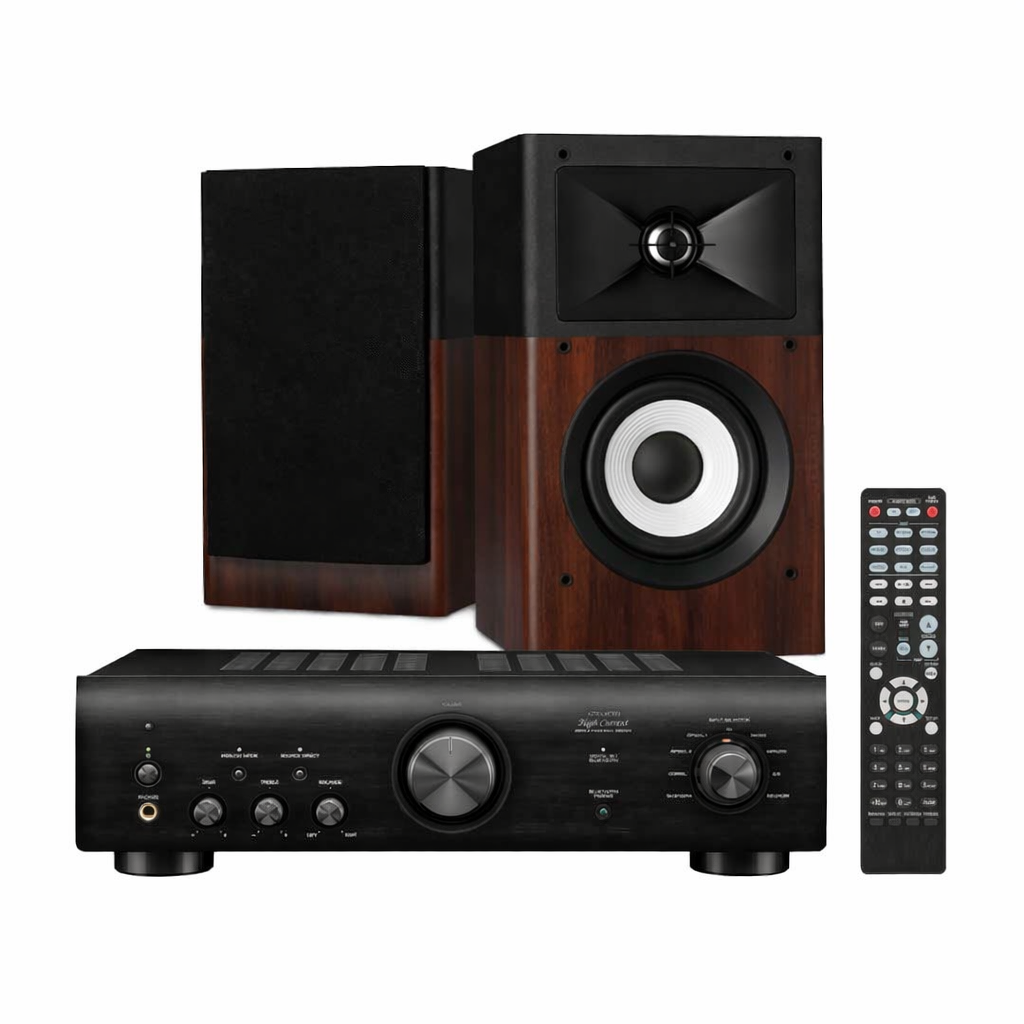
- What Makes an Amplifier Brand Beginner-Friendly
- Common Beginner Mistakes When Choosing Amplifier Brands
- Entry-Level Amplifier Brand Categories Explained
- When Beginners Should Avoid Certain Amplifier Brands
- Final Verdict: Choosing the Right Amplifier Brand for Your First System
- Frequently Asked Questions
What Makes an Amplifier Brand Beginner-Friendly
For beginners, choosing an amplifier brand is less about chasing perfect sound and more about avoiding unnecessary complexity. Many first-time buyers believe that higher specifications or higher prices automatically lead to better results. In practice, beginner-friendly amplifier brands focus on making ownership simple, predictable, and stress-free.
Consistency and Predictable Performance
Beginner-friendly amplifier brands design their products to behave consistently in real-world setups. Instead of pushing components to their limits, they focus on stable power delivery, low noise, and controlled performance across common speaker types and room sizes.
This consistency helps new users avoid sudden distortion, unexpected shutdowns, or confusing performance changes. When an amplifier responds the same way every time, beginners gain confidence faster and spend more time enjoying music instead of troubleshooting problems.
For beginners who want a deeper framework before comparing specific products, it can also help to step back and understand how brands position themselves in the audio market. Learning how to choose an amplifier brand clarifies the differences between entry-level, budget-focused, and traditional hi-fi manufacturers, making early decisions feel far more intentional.
Ease of Use and Simple Setup
Ease of use plays a major role in beginner satisfaction. Brands that target newcomers avoid complex menus, hidden settings, and advanced configuration steps. Controls remain clearly labeled, inputs stay straightforward, and basic setup usually takes only a few minutes.
When an amplifier behaves intuitively, beginners can focus on listening rather than learning technical terminology. Simple operation encourages regular use, which matters far more than advanced features that remain unused.
Speaker Compatibility and Forgiveness
Compatibility with common speakers is another key factor. Beginner-friendly amplifiers work well with typical bookshelf and floorstanding speakers without requiring precise placement, ideal room acoustics, or careful calibration.
First systems often evolve over time. An amplifier that tolerates changes in speakers, room layout, or listening habits allows beginners to experiment safely without running into immediate limitations.
Practical Power and Everyday Design
Instead of advertising extreme wattage figures, beginner-focused brands emphasize usable power that matches normal listening habits. Clean volume control and stable behavior at moderate levels matter more than maximum output that rarely gets used.
Physical design also affects daily experience. Compact enclosures, reasonable heat output, and quiet operation make amplifiers easier to place in bedrooms, apartments, and shared living spaces. An amplifier that runs cool and unobtrusively fits naturally into everyday life.
Convenience Features That Actually Help
Many beginner-friendly brands include features that reduce friction during daily use. Bluetooth connectivity, automatic standby modes, and simple input switching do not improve sound quality on their own, but they make systems easier to enjoy consistently.
These small conveniences often determine whether a system gets used regularly or ignored after the initial setup.
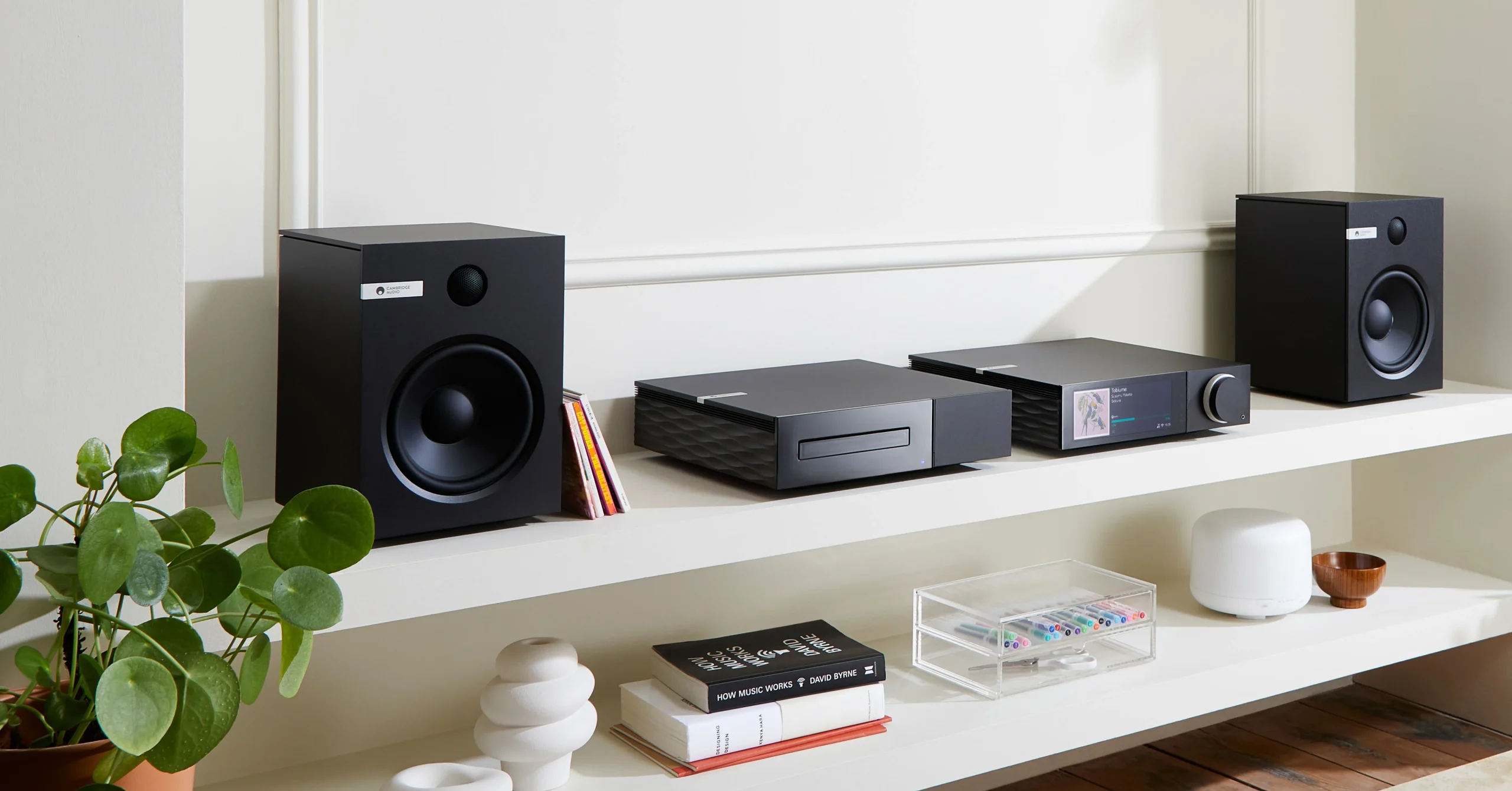
Common Beginner Mistakes When Choosing Amplifier Brands
Most beginners do not choose the “wrong” amplifier brand because they lack taste. Problems usually appear because early decisions are based on assumptions that do not match real listening needs. Understanding these common mistakes can prevent frustration and unnecessary upgrades later on.
Focusing on Power Numbers Instead of Real Use
One of the most common beginner mistakes is choosing an amplifier brand based on advertised wattage alone. Large power numbers look reassuring, but they rarely reflect how an amplifier behaves during everyday listening. Beginners often listen at moderate volumes in small to medium rooms, where control and clarity matter more than raw output.
When power becomes the main decision factor, beginners may end up with amplifiers that feel aggressive, inefficient, or poorly matched to their speakers. This mismatch can lead to harsh sound, poor volume control, or unnecessary heat without providing any real benefit.
Ignoring Speaker Compatibility
Another frequent issue arises when beginners choose an amplifier brand without considering the speakers they plan to use. Even a well-regarded amplifier can perform poorly if it is not compatible with the speaker’s impedance, sensitivity, or size.
This is why understanding the relationship between amplifiers and speakers is critical early on. Learning the basics of how to choose an amplifier for your speakers helps beginners avoid systems that sound strained, unbalanced, or underwhelming despite good individual components.
Overvaluing Features That Go Unused
Many amplifier brands target beginners by offering long feature lists. While some features improve convenience, others add complexity without improving the listening experience. Beginners often pay for advanced inputs, processing modes, or configuration options they never use.
Feature overload can make systems feel confusing rather than empowering. Simple amplifiers that focus on core functionality often provide a better first experience than feature-heavy designs that distract from listening.

Entry-Level Amplifier Brand Categories Explained
Once beginners understand what makes an amplifier brand easy to live with and what mistakes to avoid, the next step is understanding how entry-level amplifier brands are typically grouped. These categories are not rankings. Instead, they reflect different design priorities and listening scenarios that suit beginners in different ways.
Compact and Mini Amplifier Brands
Compact and mini amplifier brands focus on simplicity, efficiency, and space-saving design. These amplifiers are commonly used in desk setups, bedrooms, apartments, and nearfield listening environments where volume demands remain modest.
For beginners with limited space or a preference for clean, minimal setups, this category often makes the most sense. Mini amplifiers are easy to place, quick to set up, and forgiving when paired with efficient speakers. Understanding the strengths and limitations of this category helps beginners choose realistically sized solutions, which is why guides such as best mini amplifier options can be useful references.
Budget Full-Size Amplifier Brands
Budget full-size amplifier brands aim to offer traditional stereo amplification at accessible prices. These amplifiers usually provide more connectivity, physical controls, and headroom than compact designs while remaining approachable for first-time buyers.
This category suits beginners building their first living-room system or replacing all-in-one audio solutions. While these amplifiers still involve compromises compared to higher-end models, they often strike a practical balance between usability, sound quality, and cost. Exploring proven budget home amplifier choices helps beginners understand what to expect from this segment.
Traditional Entry-Level Hi-Fi Brands
Traditional entry-level hi-fi brands sit at the upper end of beginner territory. These brands often emphasize sound consistency, build quality, and long-term reliability rather than aggressive pricing or feature lists.
For beginners who value longevity and plan to grow their system gradually, this category can provide a stable foundation. However, these brands may require more careful speaker matching and setup awareness than compact or budget-focused alternatives.

When Beginners Should Avoid Certain Amplifier Brands
Not every amplifier brand that sounds appealing on paper is a good match for beginners. Some brands design products for specific use cases that assume prior experience, careful system matching, or higher listening demands. In these situations, even well-regarded brands can create frustration rather than enjoyment for first-time buyers.
Large rooms and high volume expectations often mark the first boundary. Amplifier brands that target demanding speakers or wide listening spaces typically require more power headroom, stronger current delivery, and better heat management. Beginners who underestimate these requirements may experience compressed sound, inconsistent performance, or early limitations.
Speaker demands also play a major role. Some amplifier brands expect efficient speakers and controlled placement to perform as intended. When paired with difficult speaker loads, entry-level users may hear distortion, loss of clarity, or a lack of control that feels disappointing despite the brand’s reputation.
Usage patterns matter as well. Amplifiers designed for short listening sessions or occasional use may struggle under daily, extended operation. Heat buildup, component fatigue, and connector wear become more relevant when systems run for hours at a time, especially in compact enclosures.
Finally, feature complexity can become a barrier. Some brands emphasize advanced configuration, multiple operating modes, or layered menus. For beginners, this complexity often adds friction instead of value and increases the chance of incorrect setup or underutilized capabilities.

Final Verdict: Choosing the Right Amplifier Brand for Your First System
Choosing an amplifier brand as a beginner does not require chasing perfection or mastering technical details. The most important decision is selecting a brand that supports learning, enjoyment, and consistent performance in real-world conditions.
Beginner-friendly amplifier brands succeed by staying predictable and forgiving. They prioritize stable behavior, reasonable power delivery, and simple operation over extreme specifications or complex feature sets. For first-time buyers, this balance reduces frustration and builds confidence quickly.
The best approach is to think in terms of system balance rather than brand reputation alone. Room size, speaker choice, and listening habits should guide the decision more than marketing claims or wattage figures. When these factors align, even modest amplifiers can deliver satisfying and enjoyable sound.
As experience grows, preferences naturally evolve. What matters at the beginning is choosing an amplifier brand that allows experimentation without penalties. A stable, easy-to-use amplifier provides a foundation that makes future upgrades feel intentional rather than corrective.
For beginners, the right amplifier brand is one that fades into the background and lets the music take center stage. When listening becomes effortless and enjoyable, the choice has done its job.
Frequently Asked Questions
Are beginner amplifier brands good enough for long-term use?
Yes, many beginner-friendly amplifier brands can provide years of reliable use when matched correctly with speakers and used within their intended limits. Longevity depends more on system matching and usage habits than on price alone.
How much power do beginners actually need from an amplifier?
Most beginners need far less power than advertised specifications suggest. For small to medium rooms and efficient speakers, moderate power with good control delivers better results than high wattage that rarely gets used.
Should beginners avoid budget amplifier brands?
Not necessarily. Budget amplifier brands can be a sensible choice for beginners when expectations are realistic. The key is choosing models designed for everyday listening rather than demanding setups or extreme volume levels.
Do beginners need advanced features like DACs and DSP?
Most beginners do not need advanced features at the start. Simple amplification with basic connectivity often provides a better learning experience than complex systems that require configuration and technical knowledge.
When should a beginner consider upgrading their amplifier?
An upgrade makes sense when listening habits, room size, or speaker choice outgrow the original amplifier’s capabilities. Clear signs include lack of control at higher volumes, heat issues, or limitations exposed by better speakers.