Many audio systems sound “good enough,” yet something still feels missing. The speakers may be capable, the room may be fine, but the system lacks control, clarity, or consistency at certain volumes. This often leads to a familiar question: is the amplifier brand holding the speakers back?
This uncertainty is common because amplifier brand choice is frequently made too early. Instead of responding to speaker requirements, room size, and listening habits, buyers often choose brands based on reputation or marketing. When that happens, even a well-built amplifier can feel like the wrong fit.
In this guide, we explain how to choose an amplifier brand that truly matches your speakers. Rather than comparing specifications or individual models, we focus on brand design philosophies, real-world system behavior, and how to recognize when brand choice actually matters.
- Is Your Amplifier Holding Your Speakers Back?
- Why Amplifier Brand Choice Comes After Speaker Matching
- How Amplifier Brand Design Philosophies Differ
- Where Impedance and Wattage Mislead Brand Choice
- Choosing an Amplifier Brand for Your Real Use Case
- Final Verdict: Choosing an Amplifier Brand That Fits Your Speakers
- Frequently Asked Questions
Is Your Amplifier Holding Your Speakers Back?
When a system feels inconsistent — clear at some volumes but strained or flat at others — the issue is often blamed on the speakers. In reality, the amplifier can be the limiting factor even when it appears to be working normally.
This situation is common in systems where the amplifier brand was chosen before understanding how the speakers behave in real use. The amplifier may deliver sound, but it may not provide the level of control, stability, or consistency the speakers need as conditions change.
Signs of this mismatch are not always dramatic. They can show up as reduced bass control, listening fatigue during longer sessions, or a lack of confidence when volume increases slightly. These issues are often subtle enough to be ignored, yet persistent enough to prevent the system from feeling complete.
Before assuming that new speakers or higher-end components are required, it’s worth identifying whether the amplifier itself is the bottleneck. Our diagnostic guide on whether an amplifier is holding your speakers back walks through this evaluation step-by-step.
Once this question is answered, amplifier brand choice becomes more focused. Instead of guessing or upgrading blindly, you can decide whether a different brand philosophy is actually needed to support the speakers you already own.
Why Amplifier Brand Choice Comes After Speaker Matching
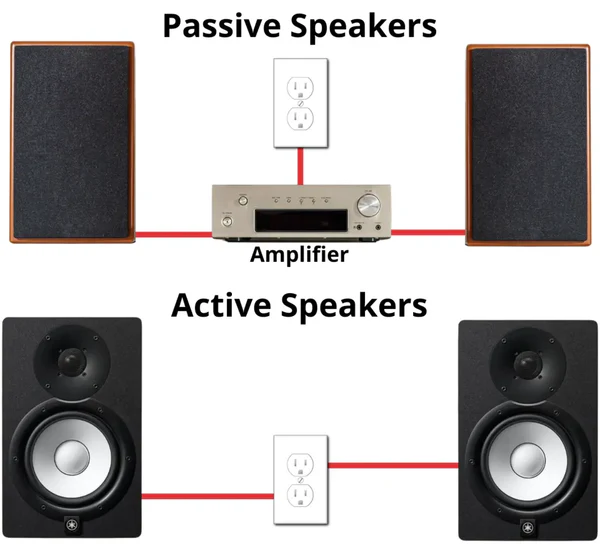
Amplifier brand choice only becomes meaningful after you understand what your speakers require. Speakers define how demanding a system will be, and amplifier brands are engineered to respond to those demands in different ways. When this order is reversed, mismatches are far more likely.
Many brand-related frustrations come from skipping this step. An amplifier may sound acceptable at first, yet struggle to maintain control or consistency as listening conditions change. This is not always a flaw in the amplifier itself, but a sign that it was never selected with the speaker’s real behavior in mind.
Before evaluating brands, it’s essential to establish how your speakers interact with amplification. This includes understanding how difficult they are to drive and how much control they need under normal listening conditions. Our guide on matching an amplifier to your speakers covers this foundation clearly before brand considerations come into play.
Once speaker matching is clear, brand differences become easier to interpret. Instead of asking whether an amplifier brand is “good,” the question shifts to whether its design philosophy supports the specific demands of your speakers and room.
This approach also prevents unnecessary upgrades. When speakers and amplification are matched correctly first, brand changes become deliberate improvements rather than attempts to fix underlying mismatches.

How Amplifier Brand Design Philosophies Differ
Amplifier brands are shaped by design philosophies that go far beyond sound signatures or price tiers. These philosophies influence how amplifiers behave under real conditions, how they respond to stress, and how comfortably they support different types of speakers over time.
Some brands prioritize efficiency and compact design. Their amplifiers are built to deliver clean performance while minimizing size, heat, and power consumption. This approach often works well in smaller systems and listening environments where demands remain predictable.
Other brands focus on stability and control. Their designs emphasize electrical headroom, conservative operating limits, and consistent behavior across a wide range of listening conditions. These amplifiers tend to feel more composed as system demands increase, even if they appear less feature-rich on paper.
There are also brands that emphasize flexibility and system integration. These designs may offer broader connectivity, easier setup, or compatibility with multiple sources. While this versatility can be appealing, it sometimes involves trade-offs that affect long-term consistency or internal margin.
Importantly, none of these philosophies are inherently better. Each exists to solve a different type of problem. The challenge for the listener is recognizing which design approach aligns best with their speakers, room, and listening habits.
Understanding brand philosophy reframes the decision. Instead of comparing names or reputations, you begin to evaluate brands based on how their design priorities match the role the amplifier must play in your system.
Where Impedance and Wattage Mislead Brand Choice
Many amplifier brand decisions go wrong because numbers are mistaken for outcomes. Specifications like impedance compatibility and wattage ratings are important, but they are often misunderstood or taken out of context when comparing brands.
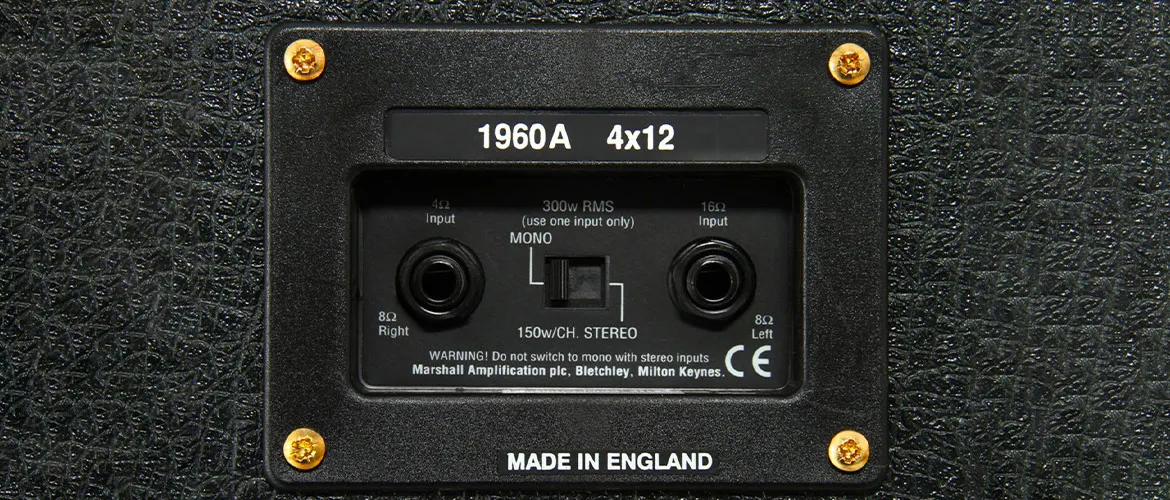
Impedance is frequently treated as a simple checkbox rather than a behavior. Two speakers with the same nominal rating can place very different demands on an amplifier depending on how their load changes during playback. This is why brand designs that appear similar on paper can behave very differently in practice. If this concept feels abstract, our explainer on what amplifier impedance actually means clarifies why it matters without diving into unnecessary theory.
Wattage creates even more confusion. Higher numbers are often assumed to indicate better performance or broader compatibility, leading buyers to favor brands that advertise impressive power figures. In reality, wattage alone rarely predicts how confidently an amplifier will control speakers across different listening conditions. Our breakdown of amplifier wattage and what it really represents explains why this metric is commonly misunderstood.
This is where brand philosophy becomes more important than specifications. Some brands design conservatively, ensuring that published numbers reflect sustained, real-world use. Others emphasize peak or short-term performance to remain competitive on spec sheets. Neither approach is inherently wrong, but they serve different system goals.
When brand choice is guided primarily by impedance labels or wattage claims, mismatches become more likely. When those numbers are treated as supporting context — not decision drivers — brand differences become easier to interpret and apply correctly.

Choosing an Amplifier Brand for Your Real Use Case
After understanding speaker demands and brand design philosophies, the final step is grounding the decision in how your system is actually used. This is where many brand comparisons fall apart, because real listening rarely matches showroom demos or spec-sheet assumptions.
Start with room size and layout. Small rooms and nearfield setups place predictable demands on amplification, allowing a wider range of brands to perform comfortably. As rooms get larger or more open, consistency and control become more important than flexibility or feature count.
Listening duration also matters. Short, occasional sessions rarely expose amplifier limitations, while longer daily listening places greater emphasis on stability and comfort over time. Brands designed with conservative operating margins tend to feel more relaxed during extended use.
Personal listening habits should guide the final choice. If music is often played in the background, many amplifier brands will perform well enough. If listening is focused and intentional, subtle differences in control and composure become more noticeable and more valuable.
Finally, consider how often you plan to change the system. If the setup is likely to remain stable, choosing a brand that fits current needs precisely can be the most satisfying approach. If changes are expected, selecting a brand that tolerates growth without stress can reduce the need for future corrections.

Final Verdict: Choosing an Amplifier Brand That Fits Your Speakers
Choosing an amplifier brand is not about finding a universally “best” option. It is about identifying which brand philosophy best supports your speakers, your room, and the way you listen. When those elements align, the system feels confident and consistent rather than unpredictable.
Speakers define the demands of the system, and amplifier brands respond to those demands in different ways. Some emphasize efficiency and compactness, others prioritize stability and long-term control, and some are designed to scale smoothly as systems evolve. Understanding these differences removes much of the uncertainty from brand selection.
The most common mistake is treating brand choice as a shortcut. Skipping speaker behavior, room considerations, or listening habits often leads to upgrades that feel corrective rather than rewarding. When brand choice is made in response to real system needs, improvements tend to feel intentional and lasting.
In practical terms, the right amplifier brand is the one that allows your speakers to perform comfortably today while leaving reasonable room for future changes. It does not need to impress on paper or carry prestige — it needs to support the system you actually use. This approach also makes future upgrades feel intentional, because the amplifier brand was chosen to support growth rather than react to problems.
Frequently Asked Questions
How do I choose an amplifier brand if my speakers already sound good?
If your speakers already sound good, focus on consistency rather than immediate improvement. The right amplifier brand should maintain control across different volumes and listening sessions, not just sound impressive during short demos.
Does amplifier brand matter more than amplifier power?
Brand matters because it reflects design priorities such as stability, efficiency, and long-term behavior. Power ratings alone rarely explain how confidently an amplifier will support speakers under real listening conditions.
Can the wrong amplifier brand limit speaker performance?
Yes. Even when basic compatibility is met, an amplifier brand whose design philosophy does not align with the speaker’s demands can limit control, dynamics, or listening comfort over time.
Should beginners worry about amplifier brand choice?
Beginners should focus on matching speakers correctly first. Once that foundation is clear, amplifier brand choice becomes a way to fine-tune system behavior rather than a source of confusion.
Is it better to change amplifier brand or upgrade speakers first?
In most cases, speakers have a larger impact on sound character. However, if an amplifier struggles to support existing speakers consistently, changing amplifier brand may address the bottleneck more effectively.