Buying your first amplifier is exciting — but it’s also where many beginner amplifier mistakes begin. With countless models, wattage ratings, features, and price tiers to compare, it’s easy to assume that more power or higher cost automatically means better sound.
In reality, most beginner amplifier mistakes happen before the system is even turned on. New buyers often focus on specifications instead of compatibility, features instead of needs, and price instead of setup. The result isn’t usually a terrible system — just an unbalanced one.
This guide breaks down the amplifier mistakes beginners make most often, explains why they happen, and shows you how to avoid them. With a few simple principles, you can build a system that makes sense for your room, your speakers, and your listening habits.
- Mistake #1 – Buying Too Much Power
- Mistake #2 – Not Checking Speaker Compatibility
- Mistake #3 – Confusing Receivers, Integrated Amps, and Power Amps
- Mistake #4 – Overspending on Features You Won’t Use
- Mistake #5 – Ignoring Room Size and Listening Habits
- Mistake #6 – Skipping Setup and Calibration
- Mistake #7 – Buying Before Understanding What an Amplifier Actually Does
- Avoiding Beginner Amplifier Mistakes
- FAQs
Mistake #1 – Buying Too Much Power
One of the most common beginner amplifier mistakes is assuming that higher wattage automatically means better sound. It’s easy to compare two models and choose the one with the bigger number, especially when power ratings are prominently displayed in product listings.
In reality, most beginner home audio systems — especially in small to medium-sized rooms — rarely use more than a fraction of an amplifier’s rated output. If you sit a few meters away from your speakers and listen at moderate levels, you’re likely using far less power than you think.
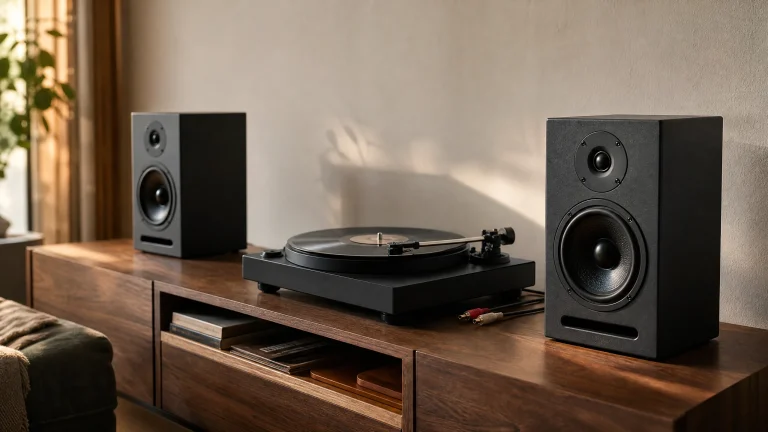
For example, pairing a very high-powered amplifier with compact bookshelf speakers in a small living room doesn’t usually unlock hidden performance. Instead, it often shifts budget away from more important upgrades, such as better speakers or proper placement.
Buying too much power doesn’t usually damage anything — it just creates imbalance. Beginners often spend more than necessary on output they will never use, while overlooking compatibility, features, or setup basics that would have improved their system more.
Mistake #2 – Not Checking Speaker Compatibility
Another frequent beginner amplifier mistake is buying an amplifier without checking whether it properly matches the speakers. While this may sound technical, the concept is simpler than it appears: your amplifier and speakers must be able to work together safely and efficiently.
Speakers have specifications such as impedance (measured in ohms) and sensitivity. Amplifiers also have limits on how much load they can handle. When beginners ignore these details, they risk buying equipment that doesn’t perform as expected — or in rare cases, strains the system unnecessarily.
Why Matching Matters More Than Brand Names
It’s common to focus on popular brands or price tiers instead of compatibility. But matching impedance and understanding sensitivity ratings usually matters more than choosing the most expensive option. A well-matched mid-range amplifier often performs better than a mismatched premium one.
If you’re unsure how to evaluate compatibility, this guide on how to match your amplifier to your speakers correctly explains the basics in a beginner-friendly way.
Most compatibility problems are avoidable with a quick check before purchasing. Taking a few minutes to compare specifications can prevent one of the most frustrating beginner amplifier mistakes.
Mistake #3 – Confusing Receivers, Integrated Amps, and Power Amps
Many beginner amplifier mistakes happen because different types of equipment are easily confused. Terms like receiver, integrated amplifier, and power amplifier are often used interchangeably, even though they serve slightly different purposes.
An integrated amplifier combines preamplification and power amplification in one unit. A receiver includes amplification but also adds features like radio tuning, video switching, or surround processing. A power amplifier, on the other hand, provides amplification only and requires a separate preamp or control unit.
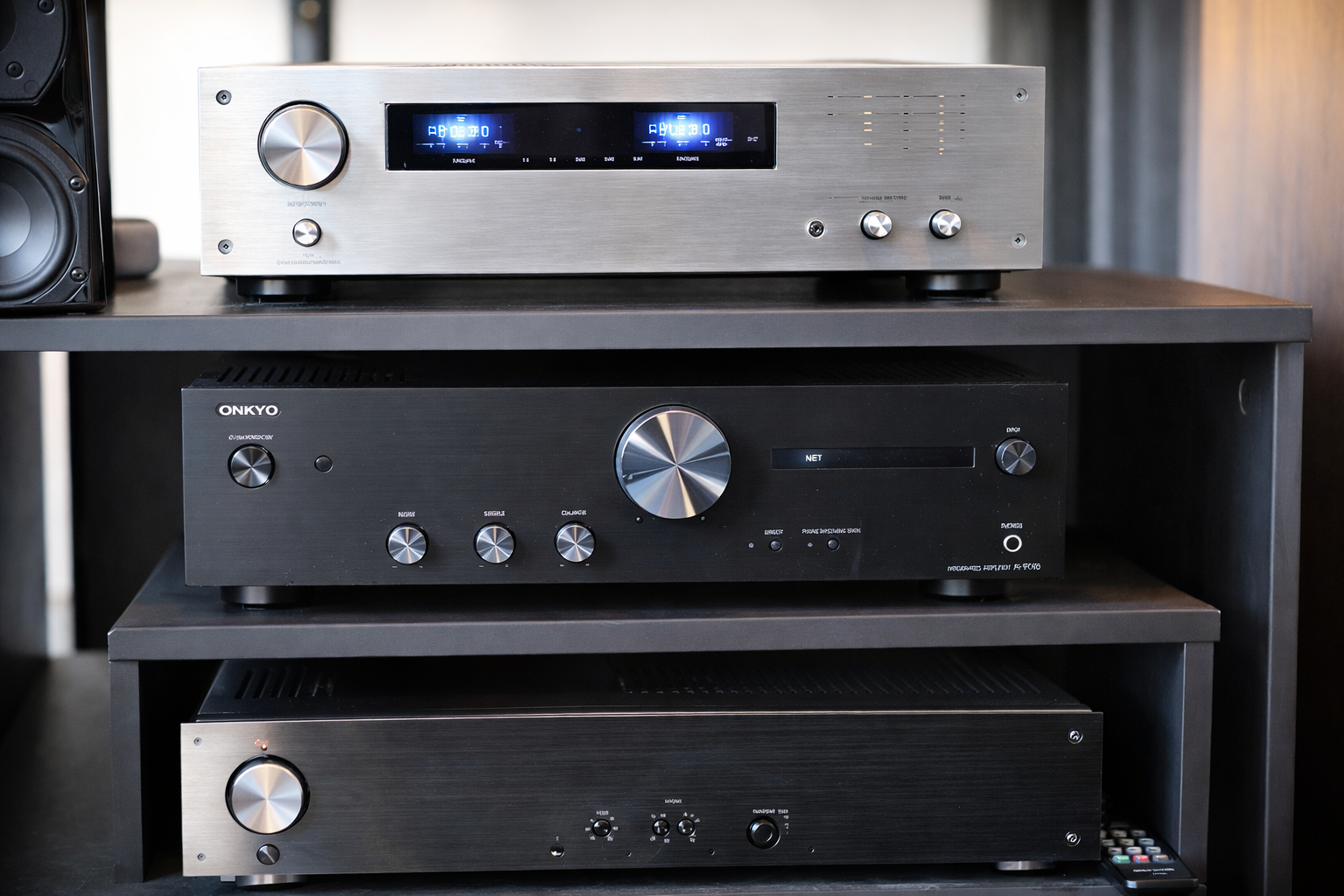
Beginners sometimes buy a power amplifier thinking it functions like a complete system, or they purchase a receiver when a simple integrated amplifier would have been sufficient. Understanding the differences prevents unnecessary complexity.
If you’re unsure which device fits your needs, this breakdown of receiver vs amplifier explains the practical distinctions in simple terms.
Clarity about what each component does helps you avoid overbuying, underbuying, or creating a system that requires additional equipment just to function properly.
Mistake #4 – Overspending on Features You Won’t Use
Modern amplifiers often include long feature lists: built-in DACs, Wi-Fi streaming, Bluetooth codecs, multiple digital inputs, app control, tone adjustments, and more. While these options can be useful, beginners sometimes assume that having every feature automatically improves the listening experience.
In practice, many new buyers use only a small fraction of what their amplifier offers. Paying extra for complex connectivity or advanced processing makes little sense if you primarily stream music from a single device or use one pair of speakers.
This mistake usually happens because feature lists feel like future-proofing. It seems safer to “have everything just in case.” But unnecessary features increase cost and complexity without improving sound quality.
If you’re unsure which models strike the right balance for first-time buyers, exploring amplifier brands that are beginner-friendly can help you focus on simplicity and reliability instead of feature overload.
Keeping your system simple at the beginning reduces confusion and makes it easier to understand how each component contributes to the sound.
Mistake #5 – Ignoring Room Size and Listening Habits
Another common beginner amplifier mistake is choosing equipment without thinking about the room it will be used in. A large, open-plan space has very different demands compared to a small bedroom or apartment living room.
If you listen at moderate levels and sit relatively close to your speakers, you typically don’t need extreme output power. On the other hand, filling a large room at higher volumes requires more headroom and speaker capability.
Your listening habits matter just as much. Someone who enjoys background music while working has different needs than someone who regularly listens at high volumes for extended sessions. Matching your amplifier choice to how and where you actually listen prevents unnecessary upgrades later.
When beginners overlook room size and habits, they often end up overbuying or underestimating what their system truly requires.
Mistake #6 – Skipping Setup and Calibration
Even a well-chosen amplifier can sound disappointing if it isn’t set up correctly. One of the most overlooked beginner amplifier mistakes is assuming that plugging everything in is enough to achieve good performance.
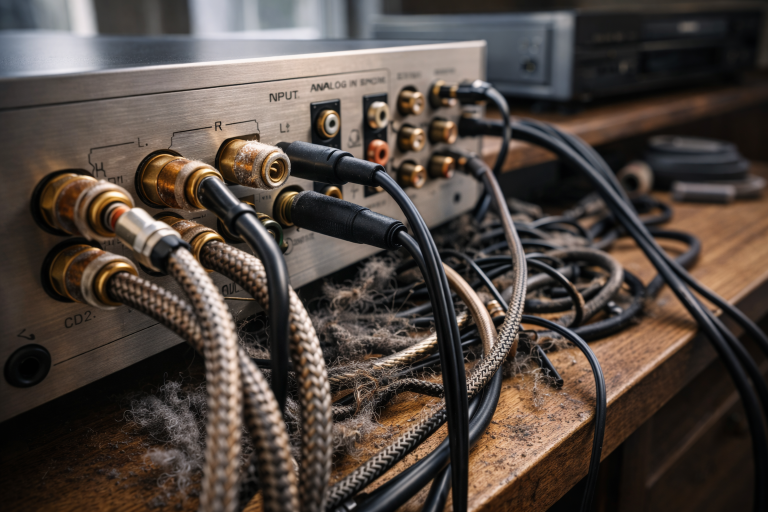
Incorrect input selection, poorly adjusted gain, improper speaker placement, or unbalanced connections can all reduce clarity and impact. Beginners sometimes blame the equipment when the issue is actually configuration.
Simple adjustments can make a noticeable difference. Learning how to calibrate amplifier settings correctly helps ensure you’re hearing what your system is truly capable of before deciding it needs replacing.
Spending time on setup not only improves sound quality — it also helps you better understand how your equipment works, which reduces future buying mistakes.
Mistake #7 – Buying Before Understanding What an Amplifier Actually Does
Many beginner amplifier mistakes start with a simple misunderstanding: not fully knowing what an amplifier is responsible for in a system. When buyers assume an amplifier changes the character of music dramatically on its own, expectations can become unrealistic.
An amplifier’s primary job is to provide clean power so your speakers can operate correctly. It does not add new detail to recordings or fix limitations caused by speakers, room acoustics, or source quality.
If you’re still unsure about the fundamentals, revisiting a clear explanation of what the function of an amplifier actually is can provide helpful context before making a purchase.
Understanding the basics makes every other decision — power, compatibility, features, and setup — much easier and more logical.
Most beginner amplifier mistakes are not dramatic failures — they’re small decisions made without full context. Buying too much power, overlooking compatibility, or chasing unnecessary features rarely ruins a system, but they often create imbalance.
The good news is that these mistakes are easy to avoid. Focus on matching your amplifier to your speakers, choosing features you’ll actually use, and setting up your system correctly before assuming you need something more powerful.
When you understand what your amplifier is supposed to do and how it fits into your room and listening habits, buying decisions become much simpler. A balanced, well-matched setup will almost always outperform an expensive but poorly planned one.
FAQs About Beginner Amplifier Mistakes
What is the most common beginner amplifier mistake?
Can the wrong amplifier damage my speakers?
Should beginners buy an integrated amplifier or a receiver?
Is expensive always better for first-time buyers?
Do I need professional calibration for a beginner setup?