
Yamaha amplifiers have built a strong reputation for reliability, clean sound, and long-term usability. Whether you’re putting together a simple two-channel music system or a full home theater setup, Yamaha offers amplifiers that cover a wide range of listening styles and budgets.
In this guide, we’ll explain which Yamaha amplifiers are actually worth buying, how Yamaha’s stereo amplifiers differ from their AV receivers, and which models make the most sense depending on how you listen. The goal is to help you choose confidently — not just pick the most popular model.
For a deeper look at Yamaha’s sound character in a real-world system, see our detailed Yamaha A-S801 review. You can also compare Yamaha against other major manufacturers in our guide to the best amplifier brands in 2025.
Yamaha Amplifiers at a Glance
Yamaha follows what it calls a “Natural Sound” philosophy. In simple terms, this means Yamaha amplifiers are designed to reproduce music and movie soundtracks as cleanly and neutrally as possible, without adding unnecessary coloration or exaggerated bass.
Across both stereo amplifiers and AV receivers, Yamaha is known for solid build quality, logical layouts, and long product lifespans. Many users keep Yamaha amplifiers for a decade or more, which is one reason the brand remains popular among beginners and experienced listeners alike.
Another strength of Yamaha is range. The company doesn’t focus on a single type of amplifier — instead, it offers:
- Stereo integrated amplifiers for music-focused systems
- AV receivers for home theater and TV setups
- Hybrid options that balance music and movies
In the sections below, we’ll break down these categories clearly so you can decide whether a Yamaha stereo amplifier or a Yamaha AV receiver makes more sense for your setup.
Yamaha Stereo Amplifiers (Best for Music Lovers)
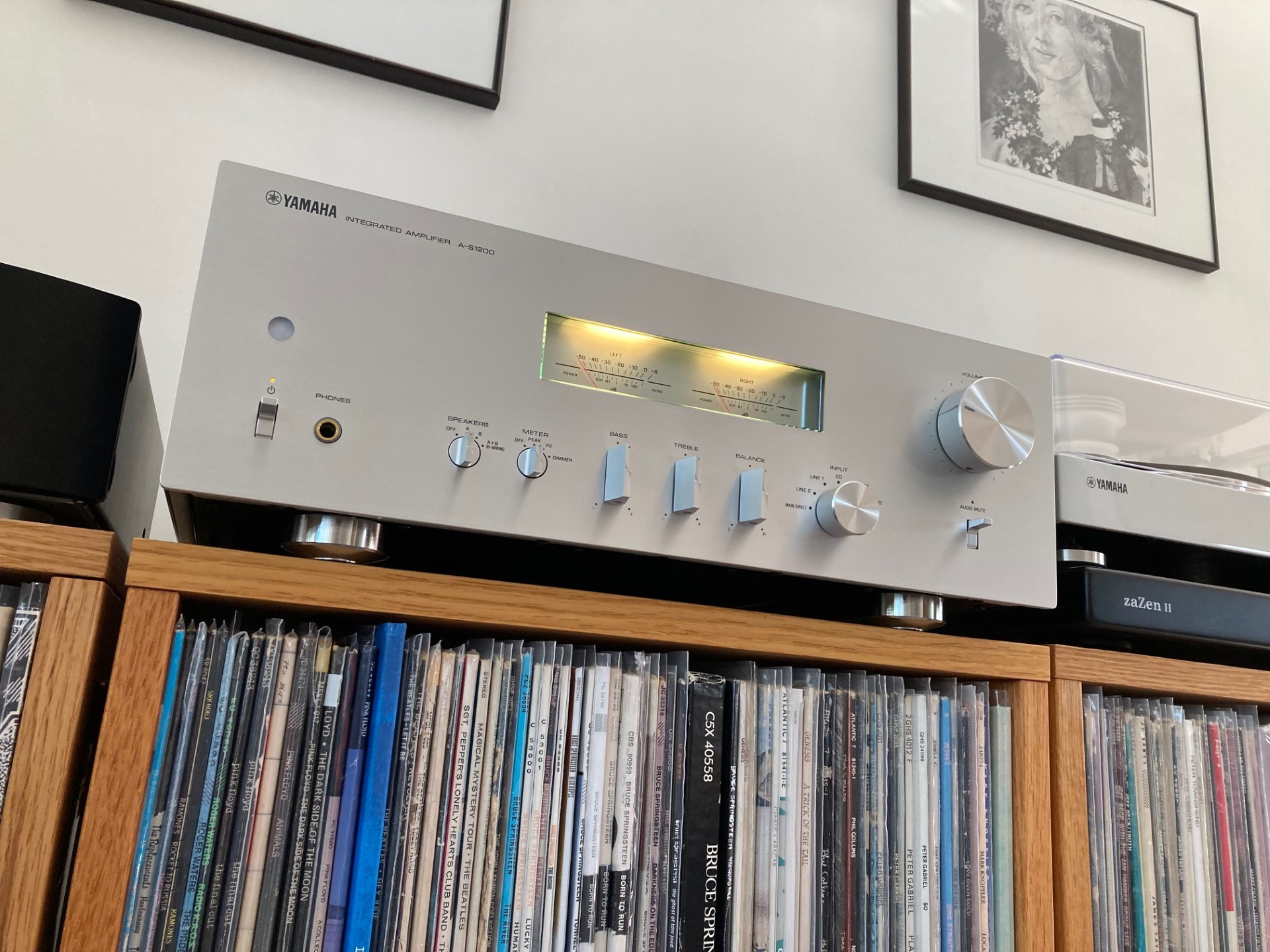
Yamaha’s stereo amplifiers are designed for listeners who prioritize music quality over surround sound features. These models focus on clean power delivery, low distortion, and a balanced sound that works well across different music genres.
If your setup revolves around two speakers, a turntable, or a dedicated music source, a Yamaha stereo amplifier is often the better choice compared to an AV receiver. You avoid paying for video processing and surround features you may never use.

Most Yamaha stereo amplifiers follow a traditional integrated design. This means the preamp and power amp are combined into a single unit, making them easy to set up while still delivering enough power for most home listening environments.
Popular Yamaha Stereo Amplifier Series Explained
Yamaha’s most recognizable stereo amplifiers belong to the A-S series. These models are known for their reliability, straightforward controls, and consistent sound quality across different price points.
Entry-level A-S models are ideal for smaller rooms and efficient speakers, while mid-range options add stronger power supplies, improved internal components, and better control at higher volumes. Higher-tier models focus more on refinement than raw loudness.
If you’re comparing Yamaha’s stereo amps against other brands in the same price range, this roundup of the best stereo amplifiers under $500 provides useful context for what Yamaha does particularly well.
In short, Yamaha stereo amplifiers are best suited for listeners who want simplicity, long-term reliability, and a sound signature that doesn’t exaggerate or fatigue over time.
Yamaha AV Receivers (Best for Home Theater)
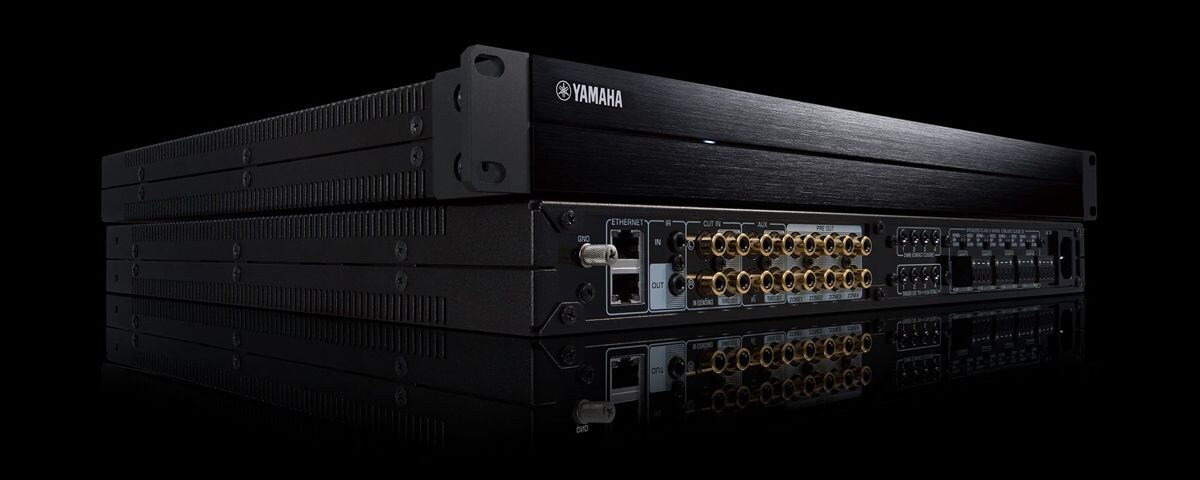
Yamaha AV receivers are built for systems that combine music, TV, movies, and gaming. Unlike stereo amplifiers, these units handle both audio amplification and video switching, making them the central hub of a modern home entertainment setup.
At a technical level, Yamaha AV receivers integrate multi-channel digital signal processing (DSP), surround sound decoding, and HDMI switching into a single chassis. This allows them to power anywhere from five to nine speakers, plus one or more subwoofers, depending on the model.

One of Yamaha’s distinguishing features is its proprietary DSP processing. Yamaha’s Cinema DSP technology uses detailed sound field modeling to recreate the acoustics of theaters and performance spaces, which can enhance immersion when watching films or live concerts.
Yamaha AV Receiver Lineup and Feature Tiers
Yamaha structures its AV receiver lineup in tiers. Entry-level models typically support 5.1 or 7.2 channel configurations and focus on core surround formats, while mid-range models add stronger amplification stages, better room correction, and expanded connectivity.
Higher-end Yamaha AV receivers include features such as advanced YPAO room calibration, multiple HDMI outputs, and support for modern surround formats used in immersive home theater setups. These models are better suited for larger rooms or systems with demanding speakers.
Because of this, speaker matching becomes especially important. Efficient speakers and realistic listening levels help Yamaha AV receivers perform at their best without strain or distortion.
Music Playback on Yamaha AV Receivers
Although Yamaha AV receivers are optimized for movies, they can still perform well for music when set up correctly. Features like high-quality DACs, dedicated stereo listening modes, and network streaming support allow them to serve as versatile all-in-one solutions.
That said, even advanced AV receivers rarely match the simplicity and focus of a dedicated stereo amplifier for two-channel listening. Choosing an AV receiver for music makes the most sense when convenience and system integration matter more than absolute purity.
In the next section, we’ll help you decide which type of Yamaha amplifier makes the most sense based on how you actually use your system.
Yamaha stereo amplifiers and AV receivers serve different purposes, even when they look similar on paper.
- Power focus: Stereo amplifiers send all available power to two speakers. This improves control and consistency for music playback.
- Signal path: Stereo amplifiers use simpler audio paths. AV receivers process audio through multiple digital stages.
- Channel load: AV receivers divide power across many speakers. Output per channel drops when all channels play at once.
- Processing delay: AV receivers add digital processing for surround sound. Stereo amplifiers avoid this delay.
Choose a stereo amplifier for focused music listening. Choose an AV receiver for system flexibility.
Which Yamaha Amplifier Should You Buy?
Choosing the right Yamaha amplifier depends less on brand loyalty and more on how you actually use your system. Music-first setups, TV-focused systems, and mixed-use rooms all benefit from different amplifier designs.
Best Yamaha Amplifier for Music-Only Systems
If music is your top priority, a Yamaha stereo amplifier is usually the best option. These models focus all their power and design on two-channel playback, which results in cleaner sound and better speaker control.
Stereo amplifiers work best with turntables, CD players, and dedicated music streamers. They also suit listeners who value simplicity and long listening sessions without fatigue.
Best Yamaha Amplifier for Movies and TV
For home theater use, a Yamaha AV receiver is the clear choice. These amplifiers handle surround sound formats, HDMI switching, and video sources in one unit.
AV receivers suit users who watch movies, stream TV shows, or play console games. They also work well in shared living rooms where flexibility matters more than pure audio focus.
Best Yamaha Amplifier for Mixed Music and TV Use
Some systems need to handle both serious music listening and daily TV use. In these cases, a mid-range Yamaha AV receiver often makes the most sense.
When set to stereo or direct listening modes, many Yamaha AV receivers can deliver enjoyable music playback while still offering HDMI and surround features for movies.
This approach favors convenience and versatility. It trades some two-channel purity for an all-in-one solution that fits modern living spaces.

How to Choose a Yamaha Amplifier
Choosing the right Yamaha amplifier becomes much easier when you focus on a few core factors. Power, connectivity, and room size matter more than chasing the most expensive model.
Stereo Amplifier vs AV Receiver
The first decision is whether you need a stereo amplifier or an AV receiver. Stereo amplifiers focus on music playback through two speakers. AV receivers support surround sound, HDMI devices, and multiple speakers.
Power Output and Speaker Matching
Power output matters, but it is often misunderstood. Most Yamaha amplifiers provide more than enough power for normal home listening when paired with suitable speakers.
Instead of chasing high wattage numbers, focus on matching the amplifier to your speaker sensitivity and room size. Efficient speakers need less power to play loudly and cleanly.
If you want a clearer explanation of how wattage works in real systems, this guide on amplifier wattage explained breaks it down simply.
Inputs, Connectivity, and Streaming Features
Yamaha amplifiers offer a wide range of inputs. Stereo models often include analog inputs and phono stages. AV receivers add HDMI, digital audio inputs, and network features.
If you stream music regularly, look for built-in Bluetooth or Wi-Fi support. Yamaha’s MusicCast platform allows wireless playback and multi-room audio without extra equipment.
Room Size and Listening Habits
Room size plays a major role in amplifier choice. Small and medium rooms place fewer demands on power and speaker control.
Larger rooms benefit from stronger amplification and careful speaker placement. Listening volume also matters. Louder listening levels require more headroom to avoid distortion.
By matching the amplifier to your room, speakers, and habits, you avoid overspending and get better long-term results.

Final Verdict
Yamaha amplifiers stand out for their reliability, balanced sound, and long-term usability. The brand offers clear options for different listening styles without overcomplicating the buying process.
For music-focused systems, Yamaha stereo amplifiers remain a strong choice. They deliver clean power, simple operation, and a sound signature that works well across many speaker types.
If you are comparing Yamaha with other established brands, this comparison of Denon vs Marantz amplifiers highlights how different tuning philosophies affect real-world listening.
For home theater and TV use, Yamaha AV receivers provide flexibility and modern features. HDMI connectivity, surround sound support, and system expandability make them well suited for shared living spaces.
Overall, Yamaha is a safe and dependable choice for listeners who value stability, clear sound, and equipment that holds up over time. Choosing the right model comes down to matching the amplifier type to your real-world needs.
FAQ
Are Yamaha amplifiers good for music listening?
Yes. Yamaha stereo amplifiers are well known for clean, balanced sound and long listening comfort. They work well with many speaker types and suit listeners who value clarity over exaggerated bass.
Do Yamaha AV receivers sound good for music?
Yamaha AV receivers can sound very good for music when set to stereo or direct modes. However, dedicated stereo amplifiers usually offer better focus and simplicity for two-channel listening.
Is Yamaha better than Denon or Marantz?
Yamaha focuses on neutrality and reliability, while Denon and Marantz often emphasize warmth and musical coloration. The best choice depends on your sound preference and how you use your system.
How long do Yamaha amplifiers usually last?
With proper ventilation and normal use, Yamaha amplifiers often last many years. It is common for well-maintained units to remain in service for a decade or more.