
Most people approach the stereo amplifier vs AV receiver question from the wrong angle.
They assume it’s about which device is “better,” when in reality it’s about which one aligns with how they actually listen.
That misunderstanding is why so many systems end up feeling impressive on paper but underwhelming in daily use.
Feature lists, channel counts, and spec sheets tend to dominate the conversation, especially when shopping online.
But those details rarely explain why a system feels engaging, relaxed, or fatiguing over time.
If you’ve ever wondered why a setup with more options doesn’t necessarily sound more satisfying, the issue usually isn’t quality — it’s priority.
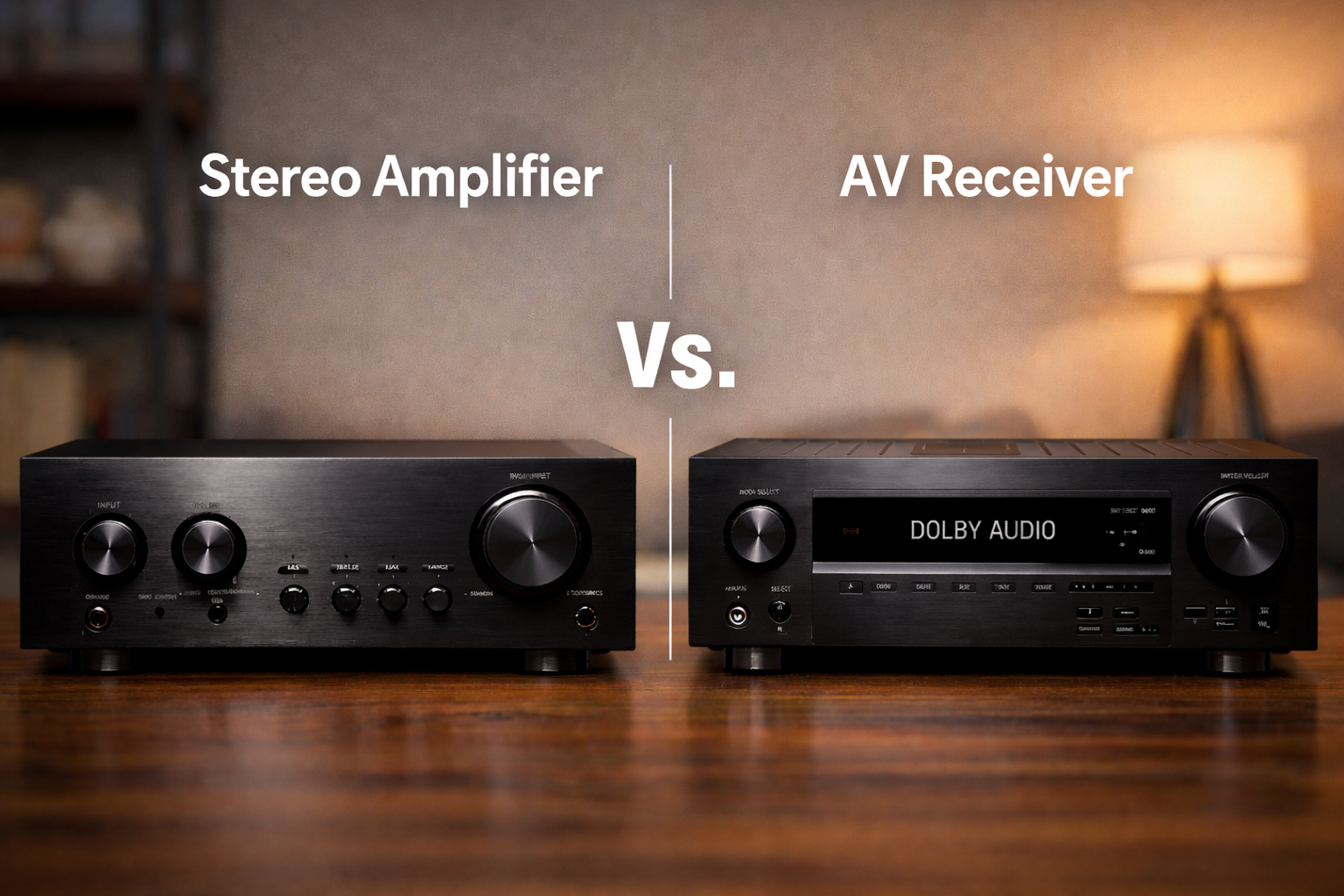
This guide isn’t about declaring a universal winner.
Instead, it helps clarify the real differences between stereo amplifiers and AV receivers in everyday listening,
building on the fundamental distinctions already explained in our receiver vs amplifier guide.
By the end, you should have a clear sense of which direction fits your habits, your space, and your expectations — without buying more than you need.
This article contains affiliate links. If you buy through links on our site, we may earn a commission at no extra cost to you.
- Why This Comparison Keeps Leading People Astray
- Stereo Amplifiers: Focus as a Design Choice
- AV Receivers: Versatility Comes With Trade-Offs
- The Sound Difference Isn’t Where Most People Think
- When a Stereo Amplifier Is the Better Choice
- When an AV Receiver Makes More Sense Than a Stereo Amp
- The Most Common Regrets People Have After Choosing
- Which One Is Better for You Depends on One Thing
- FAQs About Stereo Amplifiers and AV Receivers
Why This Comparison Keeps Leading People Astray
The stereo amplifier vs AV receiver debate often starts with a checklist mentality.
Buyers compare channel counts, wattage numbers, inputs, and features, assuming the device with more options must be the better choice.
That logic feels reasonable, but it quietly shifts attention away from how the system will actually be used day to day.
Most listening setups don’t fail because they lack capability.
They fall short because their priorities don’t match the listener’s habits.
A system designed to do many things reasonably well can feel less satisfying than one designed to do a single job confidently, especially when music is the main focus.
Marketing language adds to the confusion.
Terms like “more powerful,” “future-proof,” and “feature-rich” imply progress, even when those features never meaningfully enter the listening experience.
The result is a setup that looks impressive on paper but rarely delivers the sense of ease or engagement people expect once the novelty wears off.
This is why so many people revisit this comparison after living with their system for a while.
The question shifts from “Which one is better?” to “Why doesn’t this feel as good as I expected?”
Once that shift happens, the decision becomes less about specifications and more about alignment.
Stereo Amplifiers: Focus as a Design Choice
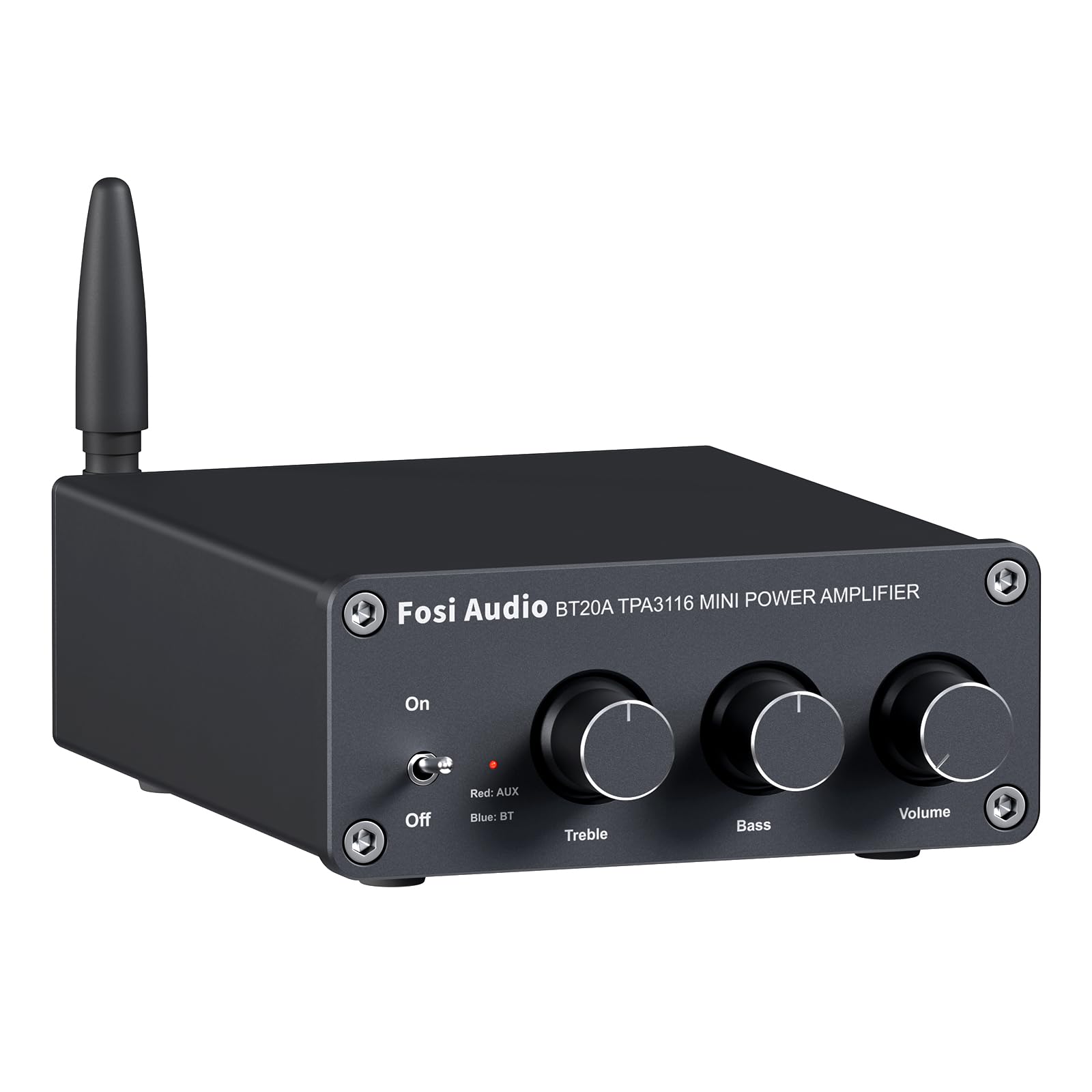
A stereo amplifier is built around a narrow set of goals.
It powers two channels, manages a clean signal path, and focuses its resources on delivering music as directly as possible.
There’s no need to accommodate surround formats, video switching, or complex processing, which allows the design to stay intentional and restrained.
That focus isn’t about limitation — it’s about choice.
By concentrating on a single task, stereo amplifiers often deliver a sense of ease and coherence that listeners describe as more natural or engaging.
Music flows without feeling managed or constrained, especially during longer listening sessions.
For listeners who primarily sit down to enjoy albums, playlists, or live recordings, this simplicity can be a real advantage.
Instead of navigating modes and settings, the system fades into the background, letting attention stay on the music rather than the equipment driving it.
AV Receivers: Versatility Comes With Trade-Offs
AV receivers exist to solve a different problem than stereo amplifiers.
Instead of focusing on a single listening experience, they’re designed to manage many roles at once — music, movies, television, and gaming — often within the same system.
That flexibility is their greatest strength, but it also shapes how resources are allocated inside the device.
To support multiple channels, surround formats, and video switching, an AV receiver divides its attention across far more processing tasks.
This makes it extremely capable in mixed-use environments, especially when speaker layouts extend beyond simple two-channel setups.
If you’ve ever explored the differences between 2.0, 2.1, and 5.1 speaker systems, you’ve already seen how receivers are built to accommodate that complexity.
None of this makes an AV receiver a poor choice for music.
In fact, many people enjoy music through receivers every day without issue.
The trade-off is that versatility often takes precedence over singular focus, which can subtly affect how music feels when compared to a system built exclusively around two-channel listening.
Understanding this difference is essential.
When expectations align with the receiver’s role, it can be a satisfying and practical centerpiece.
When they don’t, listeners may find themselves searching for something that the device was never intended to prioritize in the first place.
The Sound Difference Isn’t Where Most People Think
When people compare stereo amplifiers and AV receivers, they often focus on surface-level details.
Power ratings, feature lists, and format support dominate the discussion, even though those factors rarely explain why one system feels more controlled or engaging than another.
The real difference tends to show up under musical demand, not on a specification sheet.
Inside any amplifier, design choices determine how current is delivered, how signals are routed, and how quickly the system responds to changes in the music.
When resources are concentrated on two channels, maintaining stability and coherence becomes easier.
When those same resources are spread across many channels and processing tasks, priorities naturally shift.
This doesn’t mean one approach is inherently right or wrong.
It means each design is optimized for a different goal.
Stereo amplifiers often emphasize consistency and focus, while AV receivers balance flexibility with performance across a wider range of scenarios.
Understanding this distinction helps remove the mystery from the comparison.
Once you stop expecting identical behavior from devices built for different purposes, the sound differences become easier to interpret — and easier to live with.
When a Stereo Amplifier Is the Better Choice
A stereo amplifier tends to make the most sense when music listening is intentional rather than incidental.
If your system is primarily used for albums, playlists, or long listening sessions, the benefits of focus and simplicity become easier to appreciate over time.
Instead of managing multiple roles, the amplifier’s resources are dedicated to maintaining clarity, balance, and composure.
This becomes especially noticeable during extended listening.
Music feels less managed and more continuous, with dynamics unfolding naturally rather than being shaped by processing decisions.
For many listeners, this translates into a system that feels easier to live with — one that invites longer sessions without fatigue.

Stereo amplifiers are also well suited to simpler setups where two speakers do most of the work.
In these systems, the absence of unused features can feel like a strength rather than a limitation.
If you’re exploring music-first options within a reasonable budget, guides like best stereo amplifiers under $500 can help narrow the field without overcomplicating the decision.
When an AV Receiver Makes More Sense Than a Stereo Amp
There are many homes where music isn’t the only priority, even if it’s an important one.
The same system may handle movies, television, casual listening, and background audio throughout the day.
In these situations, convenience and flexibility often matter as much as absolute focus.
An AV receiver is well suited to this kind of mixed-use environment.
It allows multiple sources, multiple speakers, and different listening modes to coexist within a single system.
Instead of optimizing for one experience, it balances several, making it easier to live with when audio is part of a broader entertainment setup.
This approach makes sense for listeners who value simplicity at the system level, even if the device itself is more complex.
Rather than maintaining separate setups for different activities, everything runs through one central component.
If you’re exploring options that prioritize versatility and value, guides like best AV receivers under $1000 can help clarify what that balance looks like in practice.
Choosing an AV receiver in these cases isn’t a compromise — it’s an acknowledgment of how the system will actually be used.
When expectations align with that reality, receivers can be both practical and satisfying without forcing the system into a role it wasn’t designed to fill.
The Most Common Regrets People Have After Choosing
Most regrets don’t come from choosing the “wrong” device.
They come from choosing with expectations that never matched how the system would actually be used.
At first, everything feels exciting — new gear, new features, new possibilities — but that excitement often fades once daily habits take over.
One of the most common frustrations is realizing that many features go untouched.
Menus remain unexplored, modes stay unused, and complexity that once felt reassuring starts to feel unnecessary.
Over time, listeners may find themselves wishing the system felt simpler, calmer, or more intuitive during everyday use.

The opposite regret happens too.
Some listeners choose simplicity expecting perfection, only to realize later that their needs have changed.
What once felt focused may start to feel limiting when new uses or shared spaces enter the picture.
In both cases, the issue isn’t the equipment — it’s the assumptions made at the time of purchase.
These realizations are normal.
Audio systems evolve alongside living spaces, habits, and priorities.
Recognizing that fact early helps shift the goal from finding a “perfect” device to choosing one that fits where you are right now.
Which One Is Better for You Depends on One Thing
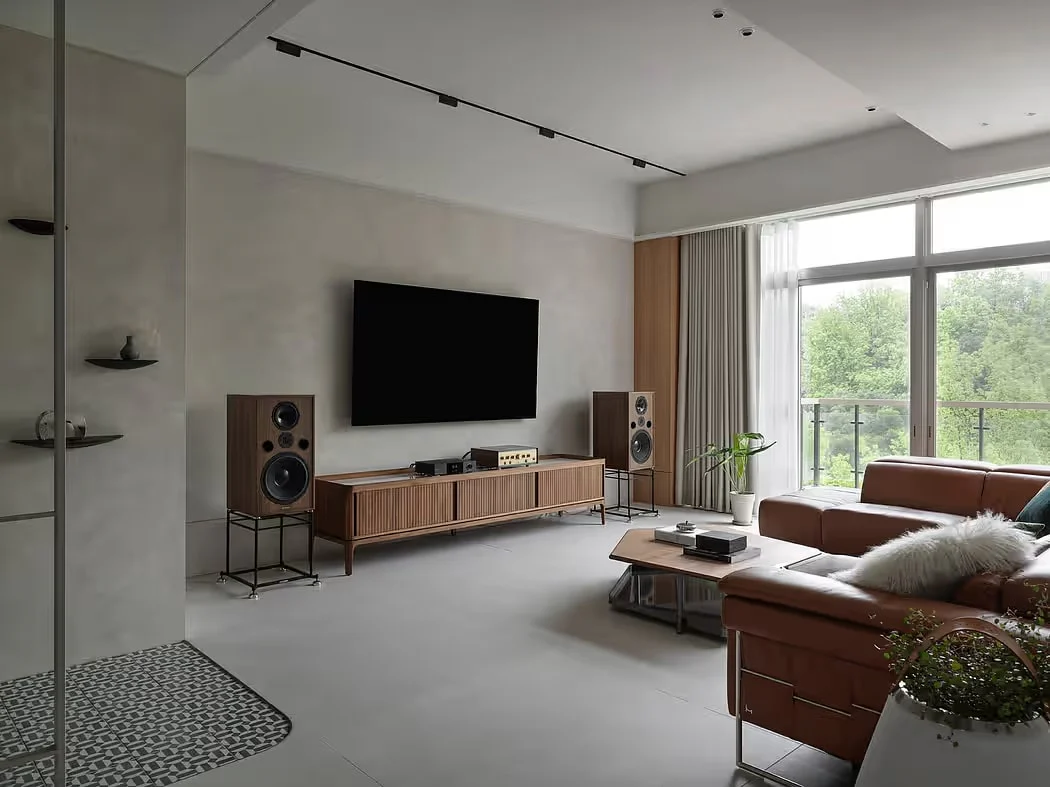
By the time most people reach this decision, they’re no longer asking which device is objectively better.
They’re asking which one fits their listening habits, their space, and their expectations without creating friction.
That shift in perspective is where clarity begins.
Stereo amplifiers and AV receivers are built around different priorities, and neither is inherently superior.
When those priorities align with how a system is actually used, the result feels natural and satisfying.
When they don’t, even well-reviewed equipment can leave listeners feeling disconnected or underwhelmed.
The goal isn’t to extract the maximum number of features or chase theoretical performance.
It’s to choose a system that supports how you listen today, while remaining flexible enough to grow with you.
When that alignment is right, the technology disappears, and enjoyment takes its place.
FAQs About Stereo Amplifiers and AV Receivers
Is a stereo amplifier better than an AV receiver for music?
A stereo amplifier can be better for music when listening is the primary focus.
Its design prioritizes two-channel playback, which often results in a more direct and composed sound.
However, the better choice depends on how the system is actually used.
Can an AV receiver sound as good as a stereo amplifier?
An AV receiver can sound very good, especially in a well-matched system.
Because it balances multiple tasks at once, it may not offer the same level of focus as a dedicated stereo amplifier for music-only listening.
Will a stereo amplifier work for movies and TV?
Yes, a stereo amplifier can work well for movies and TV in simple setups.
Dialogue clarity and sound quality can still be excellent, though surround effects and advanced processing will be limited compared to an AV receiver.
Is an AV receiver overkill if I only use two speakers?
It can be.
If you don’t plan to add more speakers or use surround formats, many of an AV receiver’s features may go unused.
In those cases, a stereo amplifier often provides a simpler and more focused experience.
Does more power mean better sound quality?
Not necessarily.
Sound quality is more closely related to control, stability, and system matching than raw power numbers.
A lower-powered device that stays composed can sound better than a higher-powered one that struggles under demand.
Should I choose based on speakers or how I listen?
How you listen should come first.
Speakers are important, but long-term satisfaction usually comes from choosing a system that fits real habits rather than idealized scenarios.
Which option is more future-proof?
“Future-proof” depends on expectations.
AV receivers offer flexibility for expanding systems, while stereo amplifiers tend to age well for music-focused listening because their core role rarely changes.