
Price is often treated as a shortcut for sound quality. If an amplifier costs more, many assume it must sound better — fuller, clearer, more powerful. That logic feels safe, especially when spec sheets and forums emphasize wattage and prestige models.
Small rooms change that equation completely. Listening distance is shorter, reflections arrive faster, and volume limits are set by the space long before the amplifier reaches its limits. In these environments, system matching matters far more than price category.
So the real question isn’t whether expensive amplifiers sound good. It’s whether a high-end amplifier can actually improve your experience in a small room, or if you’d be paying for performance you’ll never use.
What Changes in a Small Room?
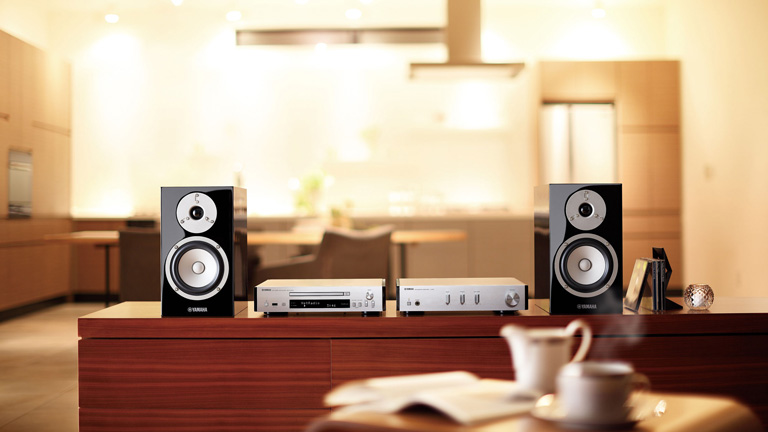
Room size quietly determines how much amplifier performance you can actually use. In smaller listening spaces, sound doesn’t need to travel far, reflections arrive sooner, and volume thresholds are reached quickly. These physical limits shape the listening experience long before amplifier price or wattage becomes relevant.
Room reality overrides spec sheets. Small spaces cap usable loudness regardless of amplifier power rating.
Listening Distance Shrinks Power Demand
Sound pressure level drops as distance increases. In a large room, you need more power to maintain impact across several meters. In a small room, you’re typically sitting within two meters of the speakers, meaning the amplifier is working far less than its specifications suggest. Even modest power output can produce satisfying loudness.
Bass Builds Faster Than Expected
Low frequencies reflect off nearby walls and corners, increasing perceived bass intensity. This doesn’t extend bass depth — it simply reinforces certain frequencies. Turning up a powerful amplifier in a small room often exaggerates these room effects instead of improving clarity or impact.
Headroom Means Ease, Not Loudness
Extra power can still matter, but not for the reason most assume. Headroom allows an amplifier to reproduce dynamic peaks without strain. The audible benefit isn’t louder playback — it’s a relaxed, effortless presentation. In small rooms, that advantage exists, but it appears sooner and requires far less wattage than most buyers expect.
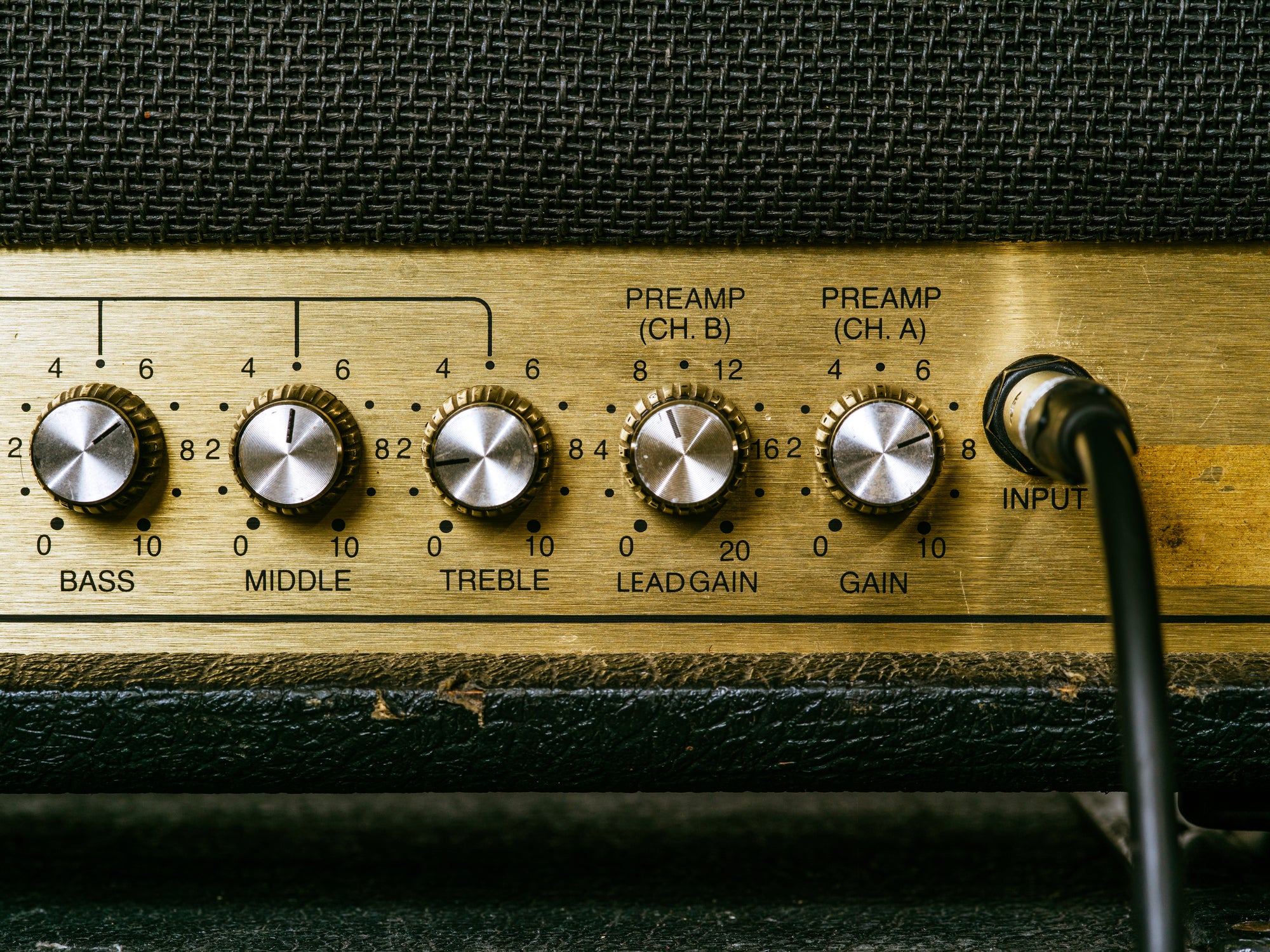
That’s why many systems designed specifically for limited spaces prioritize efficiency and balance instead of raw wattage. If you want to see examples built with these constraints in mind, this guide to compact amplifiers suited for small rooms shows how modest power ratings often align better with real-world listening conditions.
When Expensive Amplifiers Actually Make Sense
Price alone doesn’t guarantee better sound, but there are situations where premium amplifiers provide meaningful benefits. The key difference is that these advantages tend to be subtle, situational, and dependent on the rest of the system rather than universally obvious.
Lower Noise Floors at Quiet Listening Levels
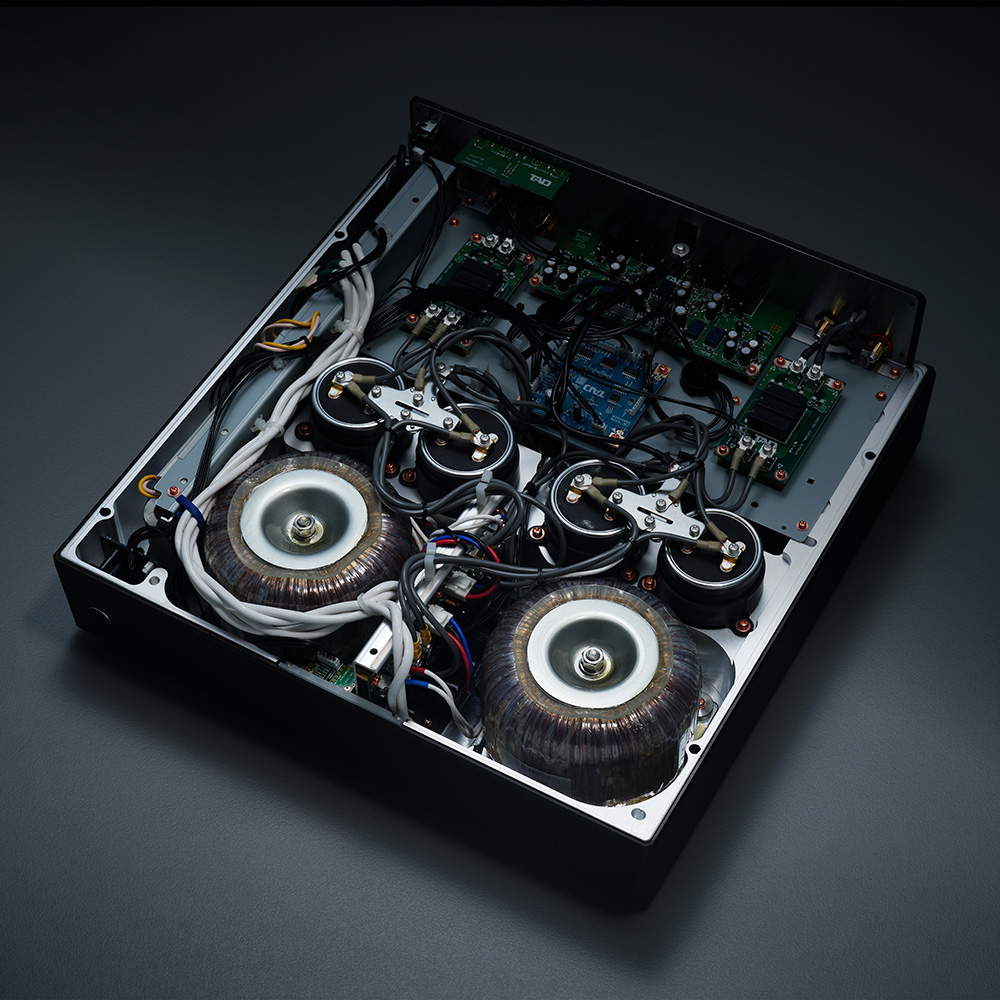
Higher-end amplifier designs often use better shielding, cleaner internal layouts, and more stable power supplies. The result can be a quieter background and finer low-level detail. In small rooms where listening volume is moderate, these refinements may be more noticeable than raw power increases.
Component Quality and Long-Term Stability
Premium models frequently prioritize thermal management, capacitor quality, and circuit durability. These don’t change how loud the system plays, but they can affect reliability over years of use. For some listeners, long-term stability is the real value proposition of expensive amplification.
Refinement Instead of Force
Budget amplifiers aim for competence. High-end amplifiers aim for polish. The difference usually appears in texture, transient smoothness, and spatial coherence rather than volume or bass weight. These traits matter most in systems that are already well matched and acoustically balanced.
Where Price Differences Actually Show
Once an amplifier reaches a baseline level of competent engineering, improvements tend to become incremental rather than dramatic. That’s why comparisons between high-end and budget amplifier designs often focus on refinement characteristics instead of headline specifications. The performance gap narrows faster than most buyers expect.
When Budget Amplifiers Are Already Enough
There’s a wide range where affordable amplifiers already provide everything a small room can realistically use. Once an amplifier delivers clean power within normal listening levels, additional cost often produces smaller audible gains than buyers expect. In compact spaces, the room itself becomes the limiting factor long before amplifier capability does.
Speaker Sensitivity Matters More. Speakers determine how efficiently electrical power becomes sound. Higher-sensitivity speakers need less wattage to reach the same volume, which means many systems never approach the limits of even modest amplifiers. In these cases, upgrading amplifier price or power rating doesn’t change the listening experience nearly as much as matching the amplifier correctly to the speakers.
Why Small Rooms Need Less Wattage
Sound travels a shorter distance in compact listening spaces, so less energy is required to maintain satisfying volume. Reflections from nearby boundaries reinforce output, making systems feel louder at lower power levels. This is why amplifiers rated at modest wattage often perform comfortably within their optimal operating range in small rooms.
Real-World Listening Levels. Most listening happens at moderate volume rather than near maximum output. When an amplifier operates well below its limits, distortion stays low and dynamics remain stable. In that scenario, spending significantly more for additional power reserves rarely changes what you actually hear.
Practical examples:
budget amplifier picks that already perform well.
Compact vs Full-Size Amplifiers
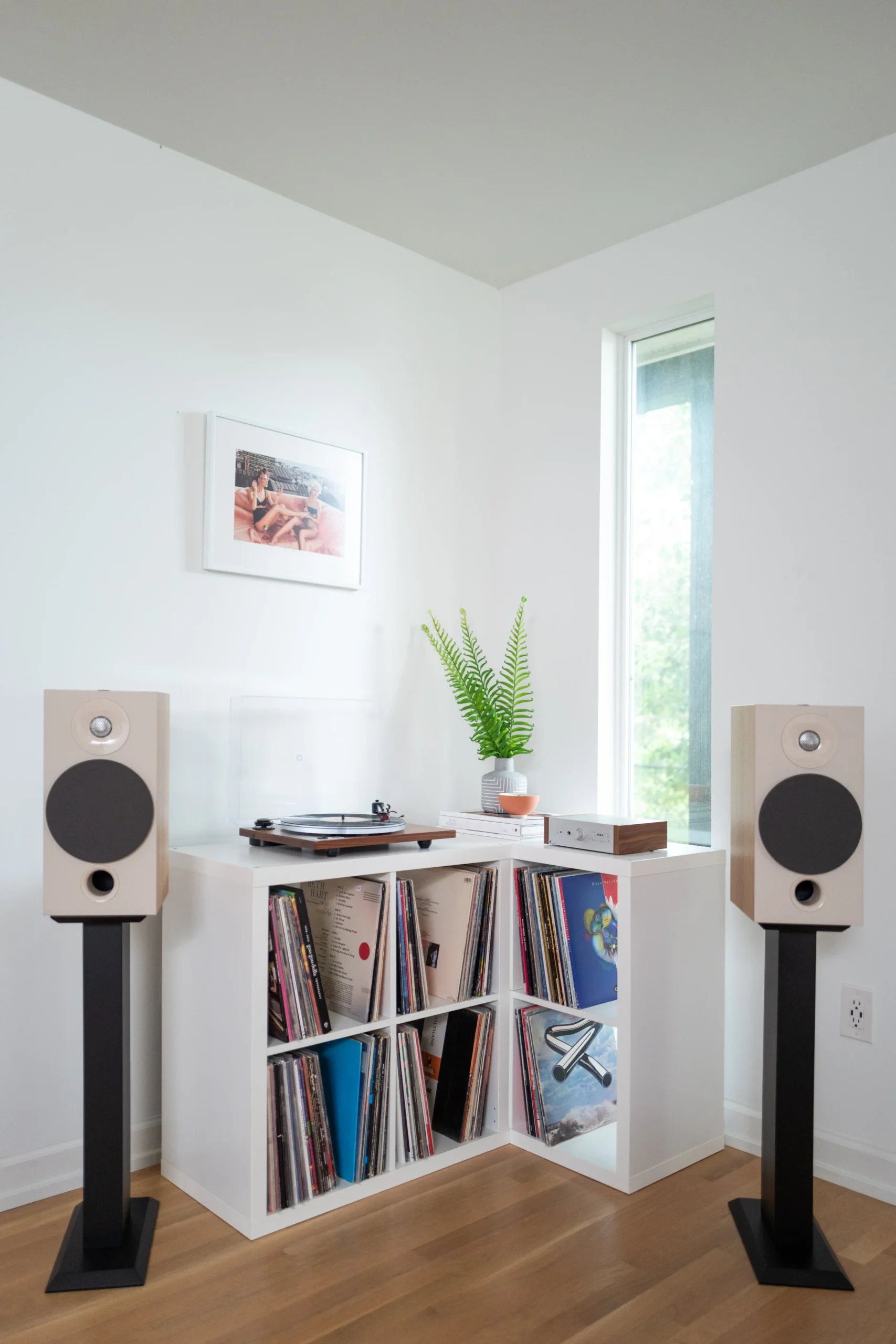
In small rooms, amplifier choice isn’t only about sound. Physical size, heat output, and visual presence all affect how well a component fits into the environment. Larger units can offer more internal space for circuitry, but that advantage doesn’t always translate into better real-world performance in compact listening spaces.
Physical Space Constraints
Full-size amplifiers can dominate a small desk, shelf, or media console. When equipment occupies too much space, speaker placement and listening position may be compromised, which can reduce sound quality more than any amplifier upgrade could improve it.
Heat and Ventilation. Larger amplifiers often generate more heat, especially designs with higher idle power consumption. In tight spaces with limited airflow, this can affect long-term reliability or placement flexibility. Compact designs typically run cooler and require less ventilation clearance.
Visual Dominance in Small Rooms
Equipment scale influences perception. Oversized components in a small room can feel intrusive, drawing attention away from the listening experience itself. Smaller amplifiers tend to integrate more naturally into limited spaces, supporting a cleaner and more balanced setup.
Example formats:
mini amplifier models.
The Psychology of Overbuying
Not every amplifier upgrade is driven by sound quality needs. Many purchasing decisions are influenced by expectations, assumptions, and the natural desire to avoid making a wrong choice. In small rooms especially, psychological factors often play a larger role than acoustic ones.
Fear of Underpowering Speakers. One of the most common concerns among buyers is the idea that insufficient amplifier power might damage speakers or limit performance. In reality, most small-room systems operate far below their maximum capability. This fear often leads people to choose amplifiers with far more power than their setup can realistically use.
Spec Sheet Anxiety. Specifications can create the impression that higher numbers automatically equal better performance. When comparing models, buyers may focus on wattage ratings or price tiers instead of considering listening distance, room acoustics, and speaker efficiency. This can make modest equipment appear inadequate even when it already meets real-world needs.
Future-Proofing Myth. Buying more power than you currently need is often justified as preparation for future upgrades. While planning ahead can be sensible, system changes rarely follow predictable paths. Many listeners upgrade speakers, move rooms, or change listening habits long before they ever approach an amplifier’s limits.
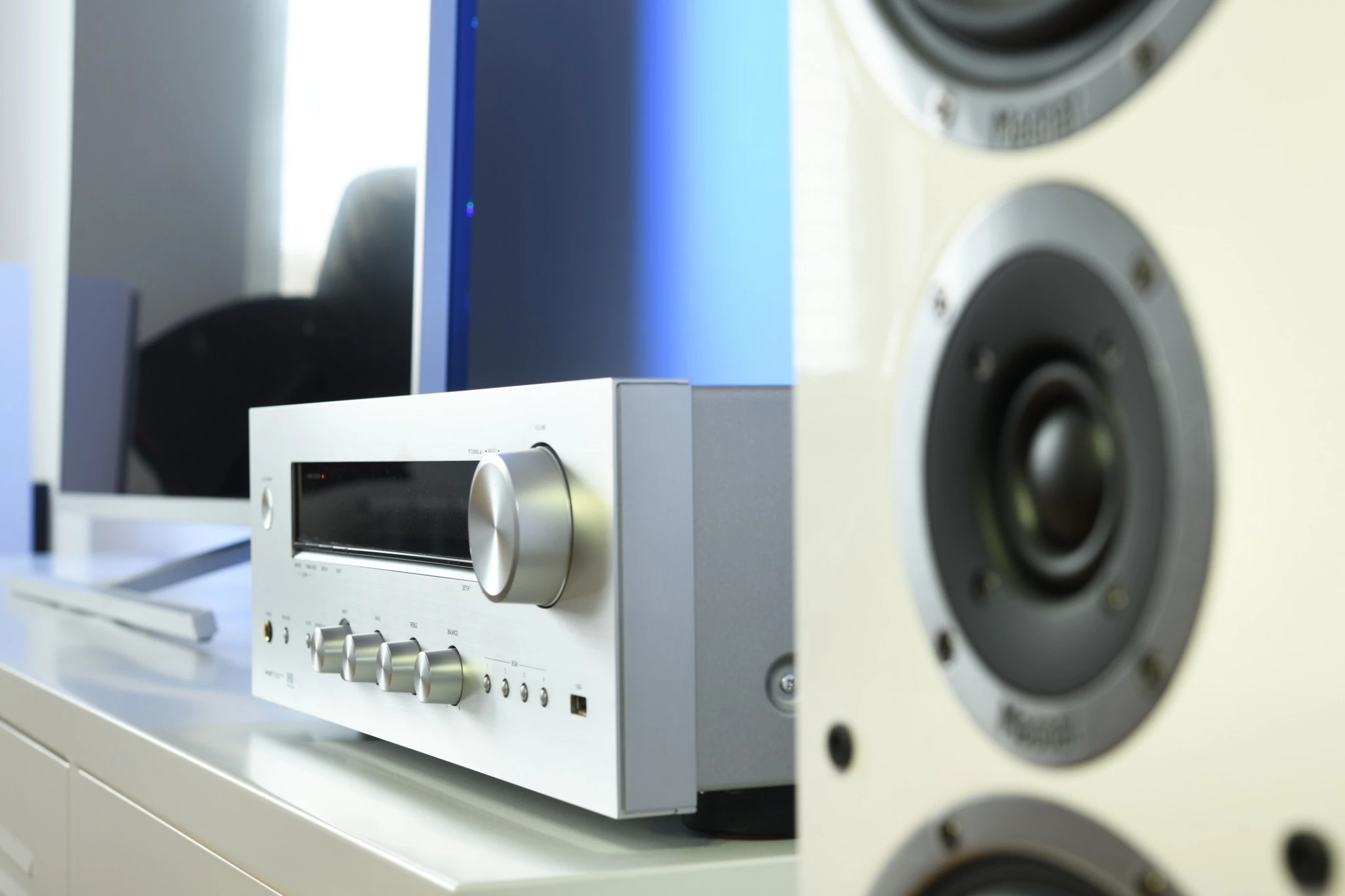
So… Are Expensive Amplifiers Worth It for Small Rooms?
The real question isn’t whether expensive amplifiers are good. It’s whether your room and system can actually reveal what makes them expensive. In small spaces, physical limits reduce how much of an amplifier’s potential you can realistically use.
Specifications and price tiers are only one part of performance. Speaker sensitivity, listening distance, room acoustics, and system matching often influence sound quality more than amplifier class or cost. When those factors are balanced, even modest equipment can deliver a satisfying listening experience.
So expensive amplifiers can be worth it — but only when the rest of the system and the room allow their advantages to be heard. In many small-room setups, matching matters more than numbers, and system balance matters more than raw output.
FAQs About Expensive Amplifiers in Small Rooms
Do small rooms need powerful amplifiers?
Will a high-end amp sound better at low volume?
Is wattage important for nearfield listening?
Should I upgrade speakers or amplifier first?