
Choosing the right amplifier brand does not need to be complicated. Many buyers focus too much on specs, while real performance often depends on reliability, sound character, and long-term support.
In this expert-ranked guide, we break down the best amplifier brands for home audio based on real-world performance, build quality, and long-term user trust. Whether you are upgrading a home system or starting from scratch, this list helps you narrow your options with confidence.
Instead of reviewing single models, this article focuses on amplifier brands as a whole. That approach makes it easier to understand what each company does well. It also helps you avoid brands that may not suit your listening needs. If you are unsure how brands and speakers interact, our guide on how to match an amplifier to your speakers explains the basics clearly.
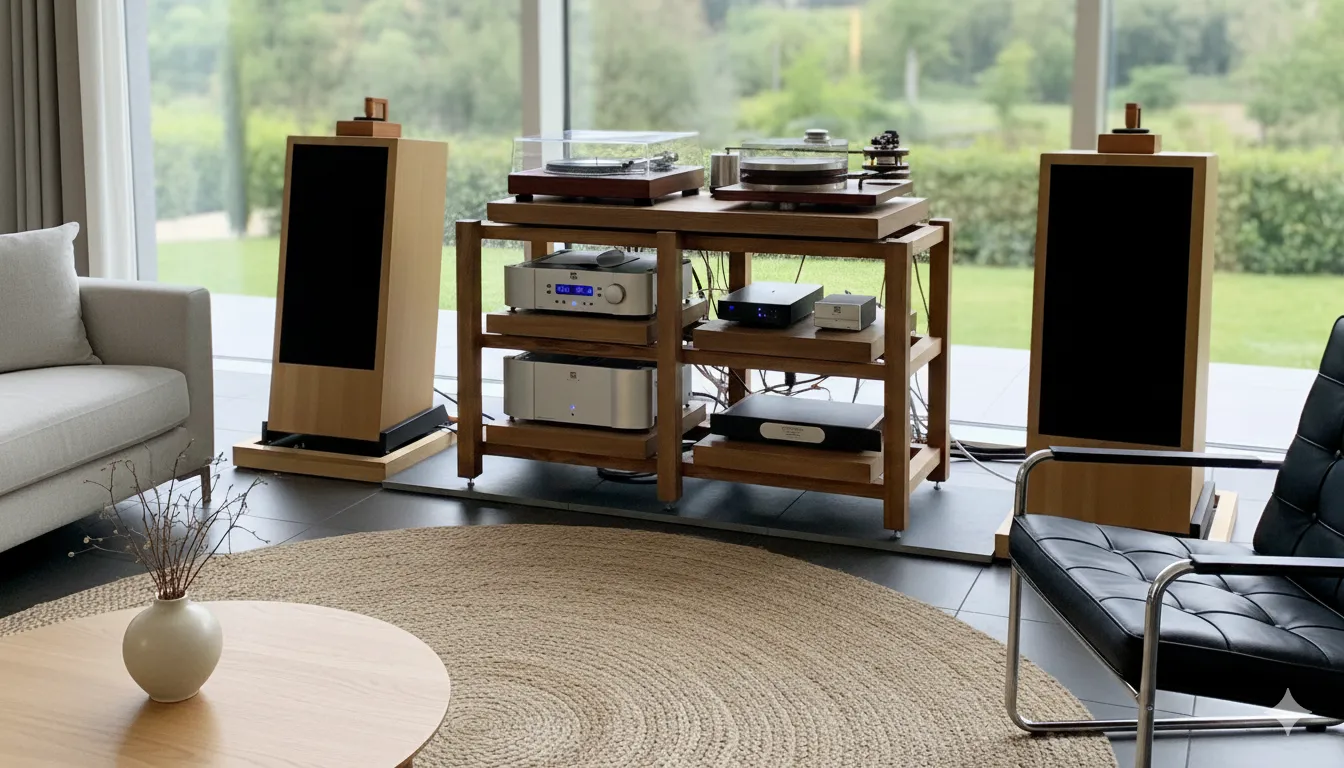
Top Amplifier Brands Ranked
The brands ranked in this guide earned their place through consistent performance and strong reputations. Experts and long-term users trust them across different price ranges. In addition, these brands show reliable quality across multiple product generations.
However, the highest-ranked brand is not always the best choice for every listener. Room size, speaker type, and listening habits all matter. For that reason, each brand section explains who the brand suits best and where its limitations may appear.
What Defines a Great Amplifier Brand?
Not all amplifier brands focus on the same priorities. Some brands aim for pure sound quality, while others emphasize features, streaming, or home theater integration. Because of this, understanding brand strengths matters more than chasing raw power numbers.
In general, the best amplifier brands share a few key traits. They deliver consistent performance, use reliable components, and offer long-term product support. More importantly, they design amplifiers that work well in real homes, not just on spec sheets.
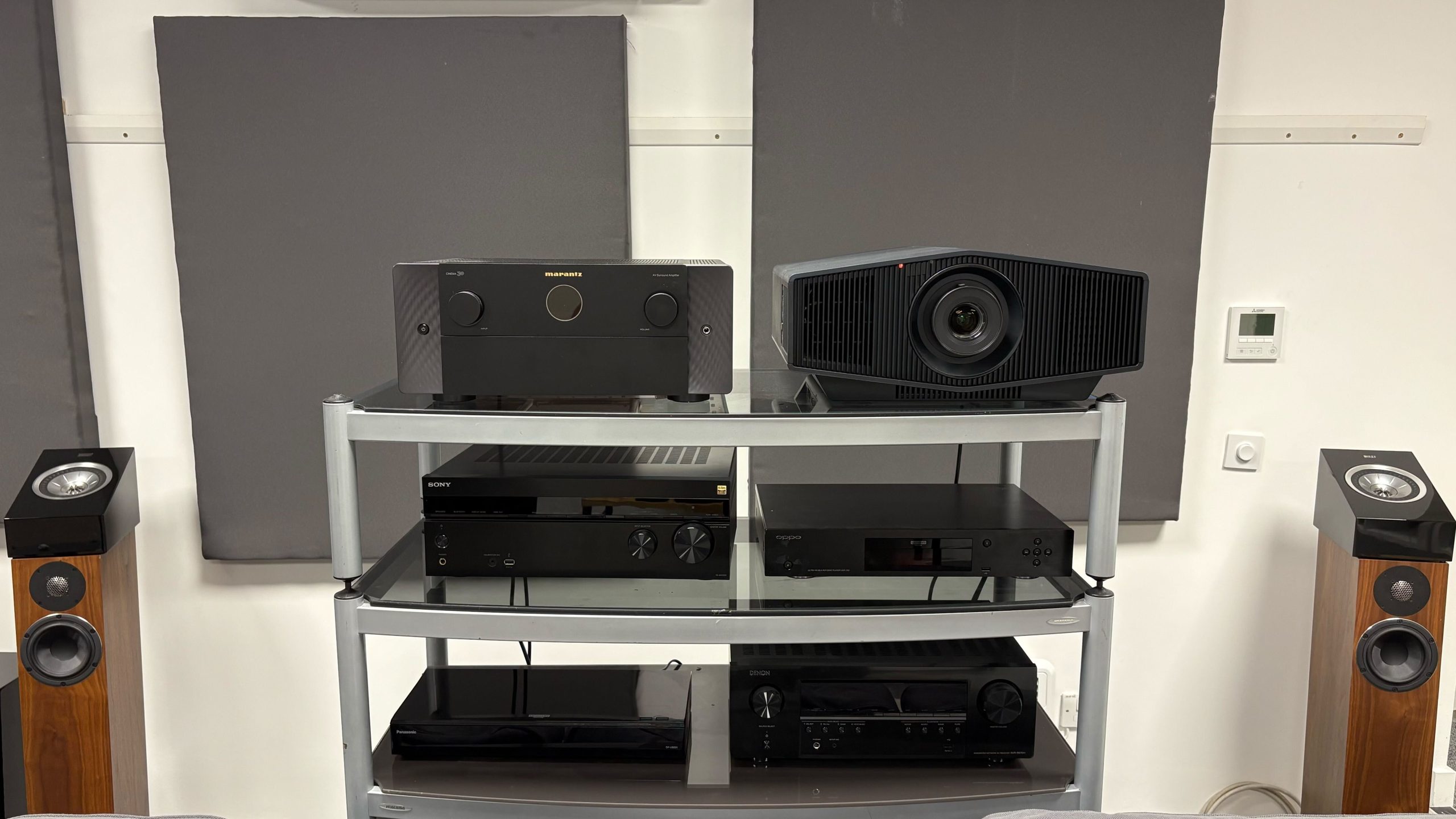
Sound Quality and Tuning Philosophy
Every amplifier brand has its own sound character. Some brands aim for a neutral and detailed presentation. Others focus on warmth, punch, or musicality. As a result, two amplifiers with similar power ratings can sound very different.
For example, brands known for hi-fi stereo gear often tune their amplifiers for clarity and balance. Meanwhile, home theater-focused brands usually prioritize dynamics and control. Choosing the right brand depends on how and what you listen to most.
Build Quality and Reliability
Build quality separates trusted brands from short-lived ones. Well-established amplifier brands use better power supplies, stronger chassis designs, and higher-quality internal components. These choices improve durability and reduce long-term issues.
In addition, reliable brands test their products thoroughly before release. That process helps prevent overheating, noise problems, and early failures. If you want an amplifier that lasts for years, brand reputation matters.
Features, Connectivity, and Ecosystem
Modern amplifier brands no longer compete on sound alone. Many now offer wireless streaming, app control, and multi-room support. These features make daily use easier, especially in mixed home audio setups.
However, more features do not always mean better value. Some listeners prefer simpler amplifiers with fewer distractions. Others want seamless integration with TVs, smart devices, and streaming services. Understanding a brand’s ecosystem helps you avoid paying for features you will never use.
Support, Updates, and Long-Term Value
Strong amplifier brands continue supporting their products after launch. They provide firmware updates, spare parts, and customer service when needed. As a result, their amplifiers hold value better over time.
On the other hand, lesser-known brands may disappear quickly. That can leave users without updates or repairs. For most buyers, choosing a stable and respected brand reduces long-term risk.
Next, we move from brand philosophy to real-world rankings. In the following section, we break down the best amplifier brands and explain what each one does best.
Best Amplifier Brands Ranked by Experts
Several amplifier brands continue to stand out in 2025 thanks to long-term reliability, consistent sound quality, and strong user trust. These brands have earned their reputation over years of real-world use, not just through marketing claims or spec sheets.
Instead of ranking brands purely by price or popularity, this list focuses on overall brand performance. Factors such as sound tuning, build quality, system compatibility, and long-term support all play an important role. As a result, these rankings reflect how well each brand performs in everyday home audio systems.
1. Yamaha — Clean Sound and Long-Term Reliability
Yamaha remains one of the most respected amplifier brands in the home audio world. Its amplifiers are known for clean, neutral sound and stable power delivery. Because of this, they pair well with a wide range of speakers and room sizes.
Another major strength is consistency. Yamaha maintains similar tuning and build standards across its lineup, which makes upgrades predictable and safe. This long-term approach helps explain why many users stay loyal to the brand for years.
For a closer look at Yamaha’s stereo design philosophy, our Yamaha A-S801 review shows how the brand balances clarity, power, and reliability in a modern integrated amplifier.
2. Denon — Balanced Performance for Music and Home Theater
Denon has built its reputation around versatility. Its amplifiers perform well in both music-focused systems and home theater environments. This balance makes Denon especially popular in living rooms and shared spaces.
Sound tuning tends to be controlled and smooth, with enough power for dynamic content without becoming harsh. In addition, Denon places strong emphasis on connectivity and modern features, which adds to its broad appeal.
A good example of this balanced approach is covered in our Denon AVR-S670H review, where the brand’s strengths in real-world usage become clear.
3. Marantz — Musical Tuning and Listener Comfort
Marantz focuses heavily on musical presentation. Many listeners describe its amplifiers as warm, smooth, and easy to listen to for long sessions. This tuning appeals especially to music lovers who prioritize tone and texture over raw impact.
Although Marantz shares engineering roots with Denon, its sound character feels distinct. Choosing between the two often comes down to personal taste rather than technical limitations.
4. Cambridge Audio — Detail-Oriented Hi-Fi Performance
Cambridge Audio targets listeners who value clarity and refinement. The brand places strong emphasis on detail, separation, and accurate sound reproduction. As a result, its amplifiers are often favored in dedicated stereo systems.
Build quality and internal design also play a big role in the brand’s reputation. Cambridge Audio products tend to feel focused and purpose-driven, rather than overloaded with features.
For a deeper look at this sound philosophy, our Cambridge Audio CXA81 review highlights how the brand approaches modern hi-fi amplification.
5. Sony — Simple Operation and Everyday Flexibility
Sony amplifiers focus on ease of use and broad compatibility. The brand emphasizes simple controls, wireless connectivity, and straightforward setup. This makes Sony a popular choice for casual listeners and general home audio use.
While Sony does not target the high-end audiophile market, it delivers reliable performance for everyday listening. Its amplifiers often work well in mixed-use systems that include TVs, streaming devices, and game consoles.
A practical example of Sony’s approach can be seen in our Sony STR-DH790 review, which shows how the brand balances features and accessibility.
Next, we compare these amplifier brands side by side. The following section highlights key differences in power, features, and ideal use cases using a clear comparison table.
6. Fosi Audio — Compact Design and Budget-Friendly Performance
Fosi Audio has become increasingly popular among users looking for compact and affordable amplification. The brand focuses heavily on Class D designs that deliver solid power from very small enclosures.
These amplifiers are especially well suited for desktop systems, nearfield listening, and small rooms. While they do not target high-end audiophile setups, Fosi Audio products often outperform expectations within their price range.
For users who value efficiency, low heat output, and minimal desk space usage, Fosi Audio represents one of the strongest budget-oriented amplifier brands available in 2025.
7. Pyle — Practical Amplifiers for Utility and Multi-Use Spaces
Pyle takes a very different approach compared to traditional hi-fi brands. Its amplifiers prioritize flexibility, multiple inputs, and straightforward operation rather than refined sound tuning.
This makes Pyle a practical option for garages, workshops, small venues, or multi-purpose rooms where convenience matters more than critical listening quality. Features like microphone inputs and simple control layouts are common across the brand’s lineup.
Although Pyle is not aimed at audiophile users, it fills an important niche. For utility-focused systems, the brand offers functional and accessible solutions.
8. Emerging and Streaming-Focused Amplifier Brands
In recent years, several newer amplifier brands have focused heavily on wireless streaming, app control, and smart home integration. These brands appeal to users who prioritize convenience and ecosystem compatibility.
However, performance and long-term support can vary significantly between manufacturers. While some deliver excellent results, others rely heavily on software features at the expense of hardware quality.
When considering emerging brands, users should pay close attention to firmware support, speaker compatibility, and real-world power delivery rather than marketing claims alone.
This completes the core brand rankings. However, several other amplifier brands frequently appear in buyer comparisons and deserve a quick mention.
Popular Amplifier Brands Buyers Also Consider
When researching amplifier brands, buyers often compare additional companies beyond the top-ranked options. Brands like NAD, Rotel, and Onkyo regularly appear in amplifier discussions and product comparisons.
NAD is well known for its minimalist design philosophy and strong stereo performance. Rotel focuses heavily on traditional hi-fi engineering with powerful amplification and precise sound reproduction. Onkyo, meanwhile, has historically been popular in home theater systems thanks to its receiver lineup and feature-rich designs.
While these brands may not dominate every category, they remain important players in the home audio market. Depending on your system goals, they may offer strong alternatives worth exploring alongside the brands ranked above.
Next, we compare the main amplifier brands side by side to highlight their sound characteristics, build quality, and ideal use cases.
Amplifier Brand Comparison Overview
Looking at amplifier brands side by side makes it easier to understand their real-world differences. While sound preference is subjective, certain patterns appear when brands are compared by tuning style, build quality, and intended use.
The comparison below focuses on broad characteristics rather than individual specifications. This approach helps highlight which brands tend to work best in different listening environments.
| Brand | Sound Character | Build Quality | Feature Focus | Best For |
|---|---|---|---|---|
| Yamaha | Clean, neutral, balanced | Excellent | Reliability, traditional controls | All-around home audio systems |
| Denon | Smooth, controlled | Very good | Versatility, connectivity | Music and home theater setups |
| Marantz | Warm, musical | Very good | Listening comfort, tuning | Music-focused systems |
| Cambridge Audio | Detailed, refined | Excellent | Stereo performance | Dedicated hi-fi setups |
| Sony | Neutral, practical | Good | Ease of use, wireless features | Everyday home audio |
| Fosi Audio | Clean, punchy | Good | Compact Class D design | Desktops and small rooms |
| Pyle | Basic, functional | Fair | Inputs and utility features | Garages and utility spaces |
| Emerging / Streaming Brands | Varies | Varies | Wireless and app control | Smart and multiroom systems |
This comparison shows that no single amplifier brand fits every listener. In the next section, we break down how to choose the right amplifier brand based on your speakers, room size, and listening habits.
How to Choose the Right Amplifier Brand
Choosing the right amplifier brand is easier when you focus on how the amplifier will be used in your own space. Sound quality matters, but factors like speaker compatibility, room size, and long-term reliability often have a bigger impact on daily listening.

Match the Brand to Your Speakers
Speaker compatibility should be your first consideration. Some amplifier brands focus on efficient power delivery, while others favor smoother sound tuning. Matching the brand’s design philosophy to your speakers helps prevent distortion, weak bass, or harsh highs.
If you are unsure how much power your speakers actually need, our guide on amplifier wattage explained clarifies the difference between marketing numbers and real listening requirements.
Consider Impedance and Load Stability
Different amplifier brands handle speaker impedance differently. Some are designed to remain stable with demanding speaker loads, while others perform best with efficient, easy-to-drive speakers.
Before choosing a brand, it helps to understand how impedance affects amplifier performance. Our article on amplifier impedance explained breaks this down in simple terms.
Think About Features You Will Actually Use
Many modern amplifier brands compete by adding more features. Wireless streaming, app control, and HDMI connectivity can be useful, but they are not essential for every setup.
If you mainly listen to music through traditional sources, a simpler amplifier brand may offer better sound quality and reliability. On the other hand, streaming-focused brands work well in smart homes and multiroom systems.
Reliability, Support, and Long-Term Value
Brand reputation matters most over time. Established amplifier brands usually provide better customer support, firmware updates, and spare parts availability. This helps protect your investment long after the initial purchase.
Choosing a trusted brand also improves resale value if you decide to upgrade later. In contrast, lesser-known brands may save money upfront but cost more in the long run.
If wireless connectivity is a top priority for your setup, you may also want to explore our guide to the best wireless amplifiers for home speakers for a more feature-focused comparison.
Final Verdict — Choosing the Best Amplifier Brand

Choosing the best amplifier brand in 2025 comes down to understanding your listening habits rather than chasing specifications. Each of the brands ranked in this guide excels in a different area, whether that’s clean sound, musical warmth, compact design, or everyday convenience.
Established brands like Yamaha, Denon, Marantz, and Cambridge Audio continue to lead because of their consistent performance and long-term reliability. These brands are safe choices for listeners who value stability, support, and predictable sound quality.
At the same time, brands such as Sony, Fosi Audio, and Pyle serve important roles. They appeal to users who prioritize simplicity, space-saving designs, or practical functionality over traditional hi-fi refinement.
There is no single “best” amplifier brand for everyone. The right choice depends on your speakers, room size, and how you listen to music or movies day to day. By focusing on those factors first, you can confidently choose a brand that delivers satisfying sound for years to come.