If you’re setting up a home audio system, one question comes up quickly: do you need an amplifier? With receivers, powered speakers, soundbars, and integrated systems all available, it’s not always clear whether an amplifier is essential or optional.
At its simplest, an amplifier increases the strength of an audio signal so your speakers can produce sound at a usable volume. But whether you personally need one depends entirely on the type of equipment you’re using and how your system is designed.
This guide explains when you do need an amplifier, when you don’t, and how to tell the difference — in plain terms, without technical confusion.
What Does an Amplifier Actually Do?
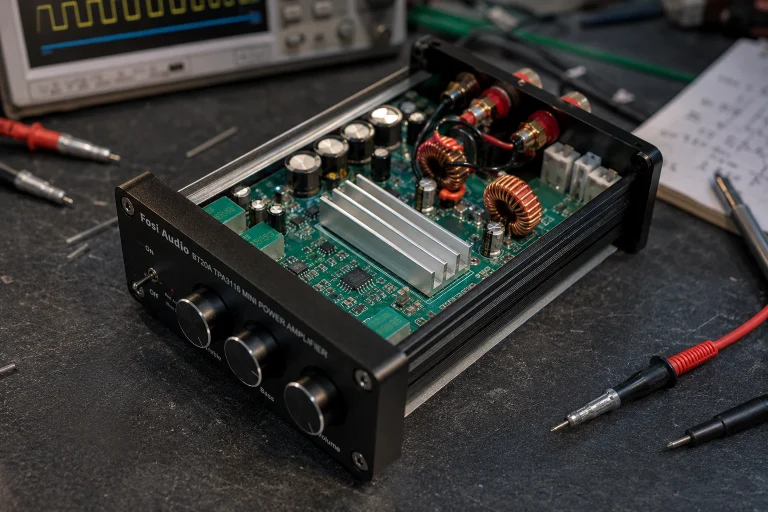
An amplifier takes a small audio signal and increases its power so your speakers can produce sound at an audible volume. Without amplification, the signal coming from a phone, TV, or music streamer is usually too weak to drive traditional passive speakers on its own.
Signal vs Power (Simple Explanation)
Think of the audio signal like a quiet voice. The amplifier acts like a microphone and speaker system that makes that voice loud enough for a room to hear. It doesn’t create new music — it simply makes the existing signal strong enough to move the speaker drivers properly.
If you want a deeper but still beginner-friendly explanation, this guide on what the function of an amplifier actually is breaks it down step by step.
Whether you need one depends on what type of speakers and equipment you already have — which we’ll cover next.
When You DO Need an Amplifier
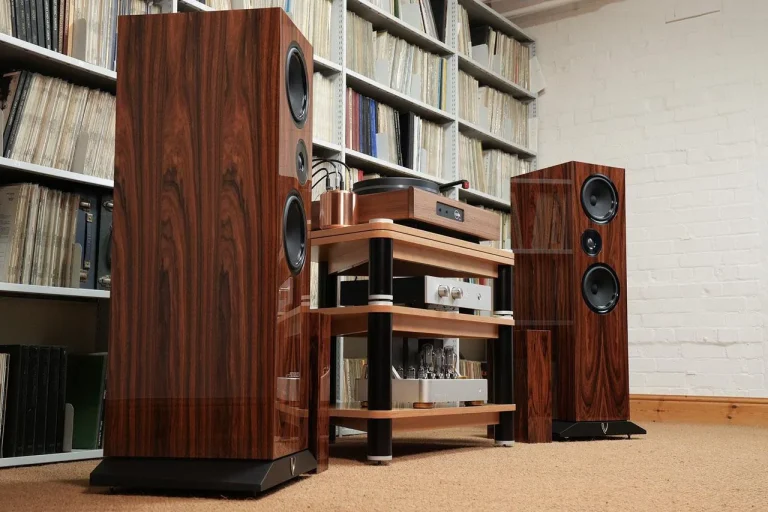
You need an amplifier if your speakers do not have built-in power. These are often called passive speakers. Passive speakers rely on an external amplifier to receive enough power to produce sound.
Here are the most common situations where you do need an amplifier:
- You are using passive bookshelf or floor-standing speakers.
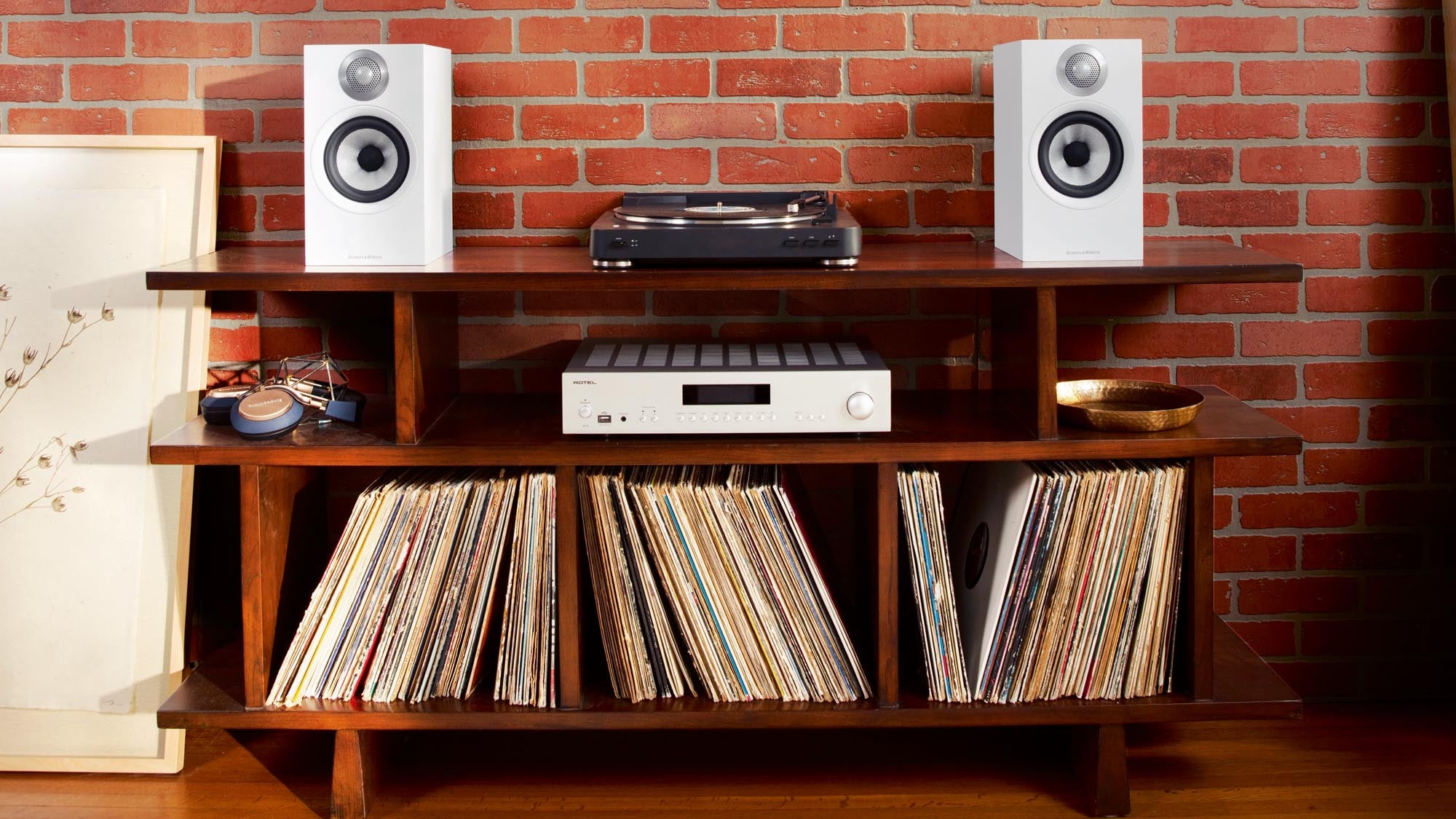
- You are building a stereo system from separate components.
- You want more control over sound quality and volume than a basic powered speaker provides.
- You are connecting a turntable (without a built-in powered stage) to passive speakers.
If you’re just starting out and looking for affordable options, exploring beginner-friendly budget amplifiers can help you understand what features matter without overspending.
When You DON’T Need a Separate Amplifier
You don’t need a separate amplifier if your speakers already have one built in. These are called powered or active speakers. They plug directly into a wall outlet and handle amplification internally.
Soundbars, Bluetooth speakers, and many modern desktop speaker systems also include built-in amplification. In these setups, adding another amplifier would not only be unnecessary — it would be incompatible.
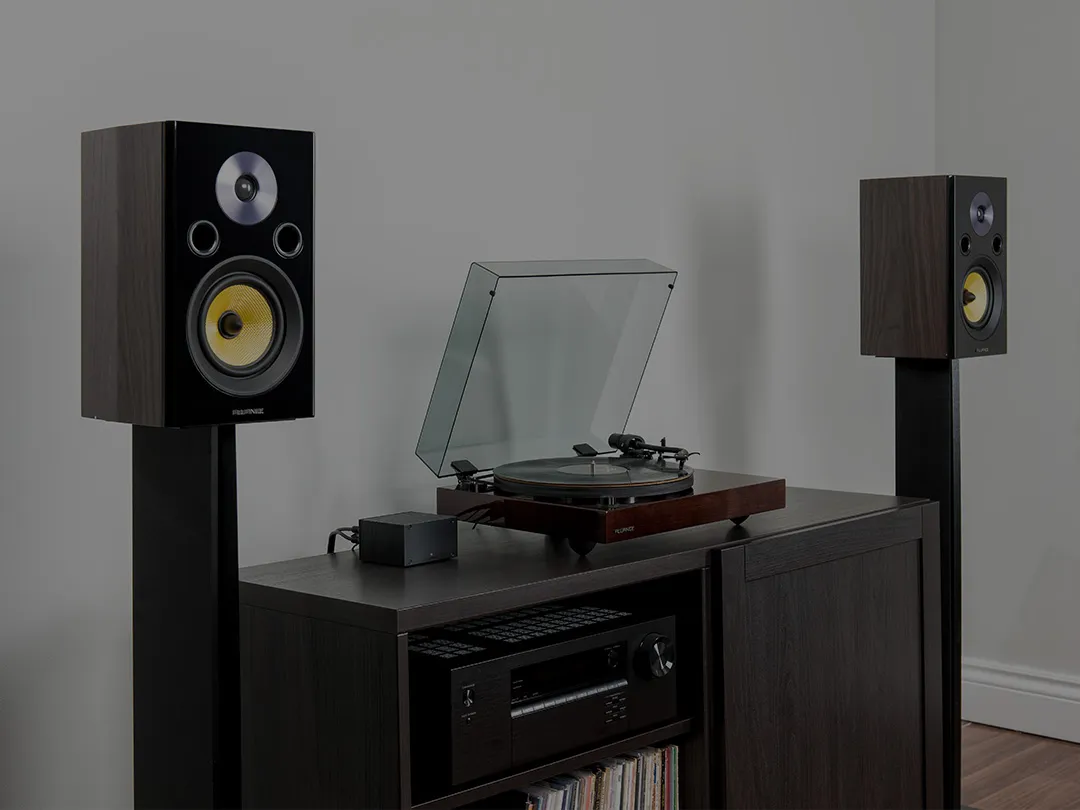
AV receivers are another common example. A receiver already includes amplification along with input switching and additional processing features. If you’re unsure about the difference, this comparison of receiver vs amplifier explains how they overlap and where they differ.
In short, if your system already contains an internal amplifier, you do not need to buy another one.
Built-in vs Separate Amplifiers
A built-in amplifier is integrated directly into another device, such as powered speakers, an AV receiver, or a compact all-in-one system. A separate amplifier is its own standalone unit that connects between your audio source and your speakers.
For beginners, built-in amplification is usually simpler. It reduces wiring, setup steps, and component matching decisions. Separate amplifiers, on the other hand, offer more flexibility. They allow you to choose speakers and electronics independently and upgrade parts over time.
If you’re just starting out and want straightforward options, looking at amplifier brands that are beginner-friendly can help you understand which types of systems are easiest to manage.
Neither option is automatically better. The right choice depends on how much flexibility and control you want in your home audio setup.
Common Beginner Misunderstandings
One common misunderstanding is thinking that an amplifier automatically improves sound quality in every situation. In reality, an amplifier’s job is to provide enough power for your speakers to operate correctly. If your system already includes proper amplification, adding more won’t necessarily improve clarity or detail.
Another misconception is that more wattage always means better sound. Higher wattage simply means the amplifier can provide more power if needed. It does not guarantee better tone, balance, or accuracy.
Some beginners also assume that every speaker setup requires a large, separate amplifier. Many modern systems are designed to work without one. Understanding whether your speakers are passive or powered usually answers the question quickly.
Most confusion comes from mixing different types of equipment. Once you know whether your speakers already contain amplification, the decision becomes much clearer.
So, Do You Really Need an Amplifier?
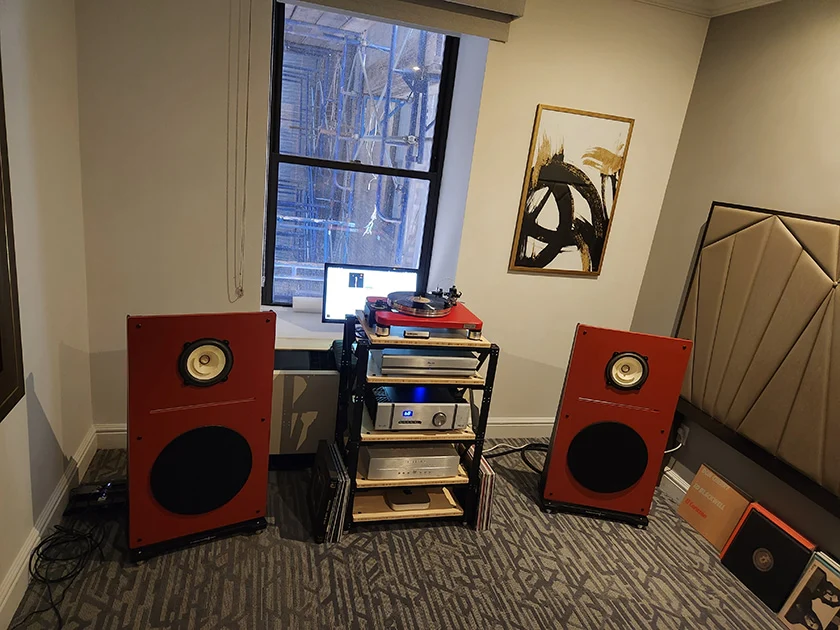
If you’re using passive speakers, then yes — you do need an amplifier. Without one, those speakers cannot produce sound at usable volume.
If you’re using powered speakers, a soundbar, or an AV receiver, then no — you do not need a separate amplifier because the amplification is already built in.
The key is understanding what type of equipment you have. Once you know whether your speakers require external power, the question of whether you need an amplifier becomes straightforward.
FAQs About Needing an Amplifier
Do all speakers need an amplifier?
How can I tell if my speakers are passive or powered?
Is an AV receiver the same as an amplifier?
Does more wattage mean better sound?
Can I connect my phone directly to passive speakers?