Choosing between a 2.0, 2.1, or 5.1 audio system seems simple on paper. More speakers should mean better sound, right? In reality, most people end up disappointed not because the system is bad, but because it doesn’t fit how they actually listen.
These numbers don’t represent quality levels. They describe how sound is distributed in a room — and that difference changes everything from bass impact to dialogue clarity to how immersive the experience feels day to day. The same confusion often shows up in broader system decisions, like the one explored in our stereo vs AV receiver comparison, where use case matters more than feature count.
The confusion usually starts when systems are compared without context. Room size, listening habits, content type, and even tolerance for setup complexity matter far more than speaker count alone. That’s why this guide focuses on real-world use, not specs or marketing promises.
- Why Channel Count Alone Doesn’t Define Sound Quality
- What a 2.0 System Does Best
- Where 2.1 Systems Add Value
- What 5.1 Systems Are Designed For
- How Room Size and Layout Change the Answer
- Which Setup Fits Different Listening Habits
- The Most Common Regrets After Choosing a System
- So… Which Audio System Should You Choose?
- FAQs About 2.0 vs 2.1 vs 5.1 Systems
Why Channel Count Alone Doesn’t Define Sound Quality
It’s easy to assume that more channels automatically mean better sound. More speakers suggest more detail, more impact, and a bigger experience. But loudness and immersion are not the same thing, and adding channels does not guarantee that sound will feel more engaging or realistic.
Room size and speaker placement often matter far more than channel count. In smaller living rooms, additional speakers can overlap, interfere with each other, or simply reflect sound in ways that reduce clarity. Without enough space for proper positioning, even a technically advanced system can feel messy or unfocused.

More channels also don’t automatically improve music playback. Most music is mixed for stereo, and spreading that signal across additional speakers can sometimes dilute imaging rather than enhance it. A well-balanced system that matches the room and the listening habits usually sounds better than a larger system that isn’t fully optimized.
What a 2.0 System Does Best

A 2.0 system is built around simplicity. Two speakers, properly placed, working together without additional processing or bass management. Because there’s no subwoofer or surround decoding involved, everything you hear comes from a single, unified source. That coherence is why stereo systems often feel natural and easy to listen to.
For music-first listening, this simplicity can be a strength. Stereo recordings are mixed with two channels in mind, and a well-matched pair of speakers can reproduce space, depth, and imaging without extra speakers filling the room. When placement and speaker quality are right, a 2.0 setup can sound focused, engaging, and surprisingly immersive.
There’s also a practical advantage. Two-speaker systems are easier to set up, easier to tune, and more forgiving in smaller rooms. They take up less space, cost less overall, and leave fewer variables to manage. For many listeners, that efficiency leads to better results than more complex systems that are never fully optimized.
Where 2.1 Systems Add Value
The core advantage of a 2.1 system is bass offloading. By handing low frequencies to a dedicated subwoofer, the main speakers no longer have to work as hard to reproduce deep bass. This often results in cleaner mids, better clarity, and a more composed sound, especially at moderate listening levels.
In small rooms and apartments, this approach can be especially effective. Compact speakers paired with a subwoofer can fill the space without requiring large cabinets or high output from the main channels. That’s why many compact 2.1 setups rely on understanding amplification fundamentals, including how power delivery affects bass performance, a concept explained clearly in what a car amplifier actually does.
A 2.1 system also balances music and movies more gracefully than basic stereo. Music retains its stereo imaging and focus, while movies and TV benefit from added low-end impact. For listeners who want more weight and presence without stepping into full surround sound, 2.1 often feels like a practical middle ground.
What 5.1 Systems Are Designed For

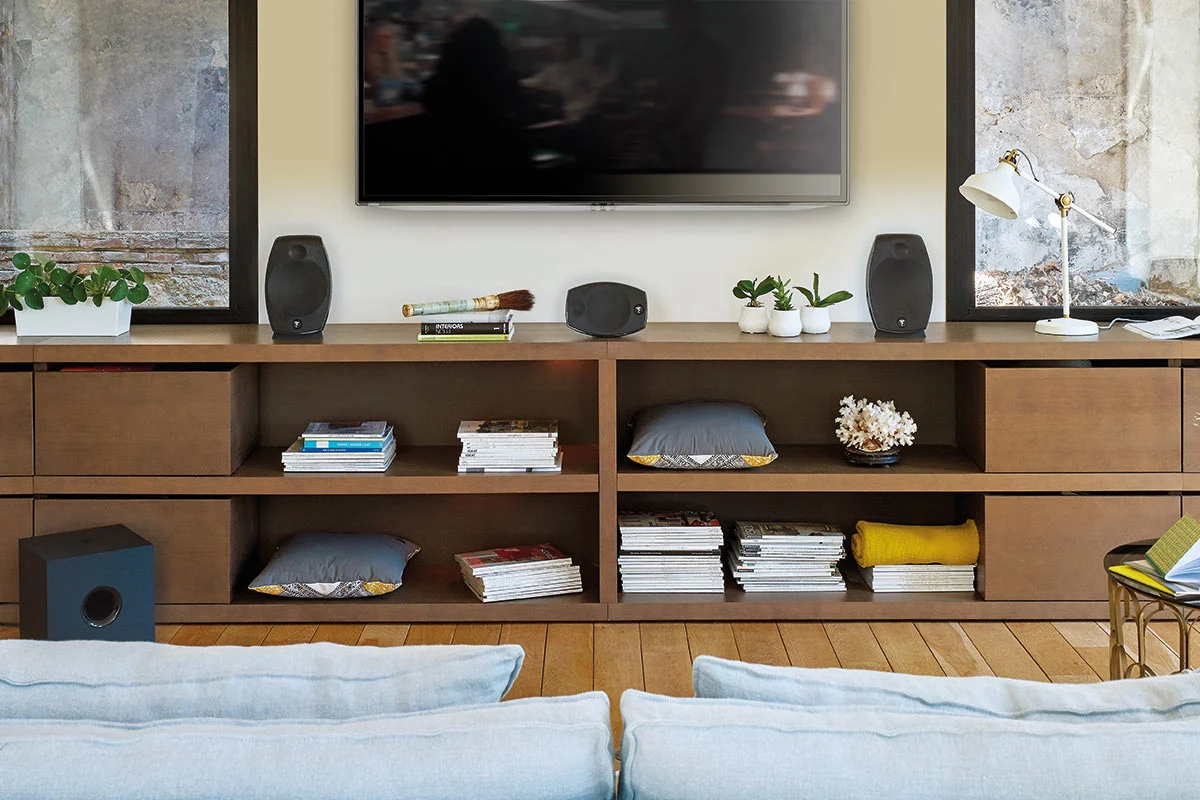
A 5.1 system is designed around directional sound rather than musical coherence. Its primary goal is to place effects, dialogue, and ambient cues in specific locations around the listener, creating a sense of space that mirrors what you see on screen. For movies and television, this can improve clarity and immersion, especially when dialogue is anchored to a dedicated center channel.
That experience comes with added complexity. A 5.1 system relies on multiple speakers, digital processing, and careful calibration to function as intended. Speaker placement, room acoustics, and seating position all play a larger role than they do in stereo setups, and small compromises in layout can noticeably affect balance and realism.
For music, this design often feels different rather than better. Most music is mixed for two-channel playback, and spreading it across multiple speakers can dilute focus or alter imaging in ways some listeners find less engaging. This doesn’t make 5.1 unsuitable for music, but it does explain why surround systems tend to shine most when sound is meant to move around the room rather than stay anchored between two speakers.
How Room Size and Layout Change the Answer
Room size often matters more than the number of speakers you own, especially when expectations around bass impact don’t align with physical space, That mismatch is similar to what happens when people chase extreme bass output without considering physical space — a dynamic often discussed in guides like best car amplifiers for bass, where enclosure size and environment matter just as much as power. In smaller rooms, sound reflections arrive quickly and overlap, which can make additional channels feel crowded rather than immersive. This is also where bass expectations tend to break down indoors. Larger rooms give sound space to breathe, allowing separation and directionality to work as intended instead of collapsing into noise. Low frequencies behave unpredictably indoors, building up in corners and canceling out in other areas, which means adding more bass-capable speakers doesn’t guarantee better low-end performance.
Seating position is just as important. Stereo systems are forgiving, delivering a consistent experience across a wider listening area. Surround systems are more position-sensitive, with the best results happening inside a relatively narrow “sweet spot.” When seating is off-center or shared across a couch, the benefits of surround can diminish quickly.

This is where surround setups can become wasted potential. If speakers are forced into poor positions, or the room simply isn’t large enough to support separation, the extra channels may add complexity without improving the experience. In those cases, a simpler system that fits the space often sounds more coherent and satisfying. When placement is compromised, additional channels often add confusion instead of clarity, turning theoretical advantages into real-world drawbacks.
Which Setup Fits Different Listening Habits
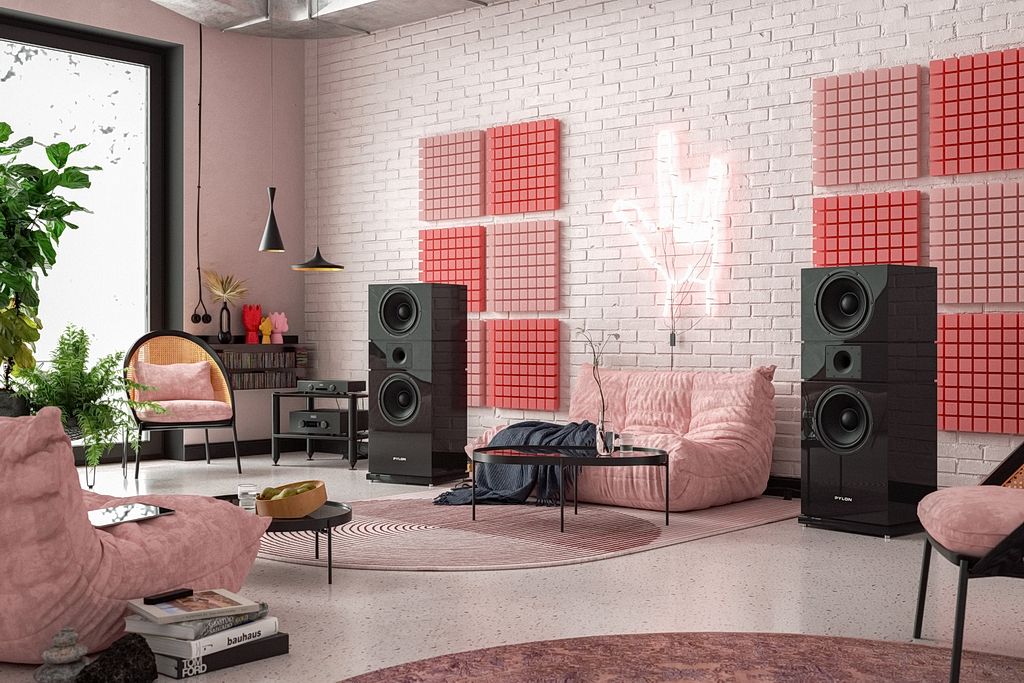
For listeners who care most about music, especially albums played from start to finish, a 2.0 system often fits best. Two well-placed speakers can deliver a coherent soundstage, stable imaging, and a presentation that feels natural without requiring constant adjustment or configuration.
When listening habits are more mixed, a 2.1 system tends to strike a practical balance. Adding a subwoofer allows the main speakers to focus on clarity while low frequencies are handled separately, which works well for casual movie watching, TV, and everyday music without overwhelming the space. This is often the point where people stop upgrading, because it satisfies both everyday listening and occasional movie use without committing to surround complexity.
Home cinema–focused listeners usually benefit most from a 5.1 setup. Surround systems are designed to support dialogue clarity, directional effects, and shared viewing experiences, and they often require ownership of equipment designed specifically for surround playback, such as the options covered in best AV receivers under $1000. Surround ownership also means committing to calibration, wiring, and long-term system management, not just additional speakers.
The Most Common Regrets After Choosing a System
One of the most common regrets comes from buying more channels than the space or habits can realistically support. On paper, a bigger system feels like an upgrade, but in daily use it can feel unnecessary, underutilized, or even distracting when most listening never engages those extra speakers. In many homes, the surround speakers simply sit idle, with daily listening relying almost entirely on the front channels.
Another frustration shows up during setup. Surround systems demand careful placement, calibration, and ongoing adjustment, and many people underestimate how much effort that takes. What starts as excitement can slowly turn into avoidance when the system feels harder to live with than expected.

There’s also regret in the opposite direction. Some listeners choose simplicity expecting perfection, only to realize later that shared spaces, movies, or changing habits would have benefited from more flexibility. What once felt focused can start to feel limiting as life evolves.
Most of these regrets aren’t about sound quality at all. They come from a mismatch between the system and how it’s actually used over time. Habits change, rooms change, and priorities shift, often faster than the equipment itself.
So… Which Audio System Should You Choose?
By the time most people reach this question, they’re no longer trying to find the “best” system in absolute terms. They’re trying to find something that feels right in their space, works with their routine, and delivers enjoyment without friction.
There is no universal winner between 2.0, 2.1, and 5.1 systems. Each exists to solve a different problem. Stereo setups prioritize coherence and simplicity, 2.1 systems add physical weight without complexity, and 5.1 systems focus on immersion when movies and shared viewing take priority.
The clearest answer usually comes from looking at how you listen today, not how you imagine listening someday. When the system matches real habits instead of ideal scenarios, it stops feeling like a compromise and starts feeling complete.
FAQs About 2.0 vs 2.1 vs 5.1 Systems
Is 5.1 better than 2.1 for music?
No, not usually. Most music is mixed for two-channel playback, and adding surround channels can actually make music feel less coherent unless the system and room are carefully tuned.
Do I need a subwoofer in a small room?
Not always. Many compact speakers can sound balanced on their own in small rooms. A subwoofer helps when speakers struggle with low frequencies, but poor placement can easily make bass sound worse rather than better.
Can a 2.0 system sound immersive?
Yes. A well-placed 2.0 system with good speakers can produce a wide soundstage and strong imaging, creating immersion without relying on surround effects.
Is 5.1 overkill for apartments?
Often, yes. Space constraints, shared walls, and limited listening volume make it difficult to benefit fully from surround systems in apartments.
Which system is easiest to upgrade later?
2.0 systems are usually the easiest to upgrade gradually. You can add a subwoofer later to form a 2.1 setup or replace components without reworking the entire system.
Does more speakers mean better sound?
No. More speakers increase complexity, not quality. Sound quality depends on placement, room interaction, and system balance far more than speaker count.