
Cambridge Audio vs Marantz: Which Brand Sounds Better?

The cambridge vs marantz comparison is one of the most common questions among listeners upgrading a home audio system. Both brands share similar price ranges and strong reputations, yet they deliver noticeably different listening experiences.

This guide looks beyond specifications to explain how Cambridge Audio and Marantz amplifiers differ in sound character, design philosophy, and everyday usability. It focuses on how those differences affect long listening sessions, speaker matching, and overall system balance.

To provide context, the article also references other amplifier design approaches, including brands known for neutral tuning such as Yamaha, and manufacturers that emphasize features and system integration like Sony. The goal is to help you understand which design approach best fits your listening habits.
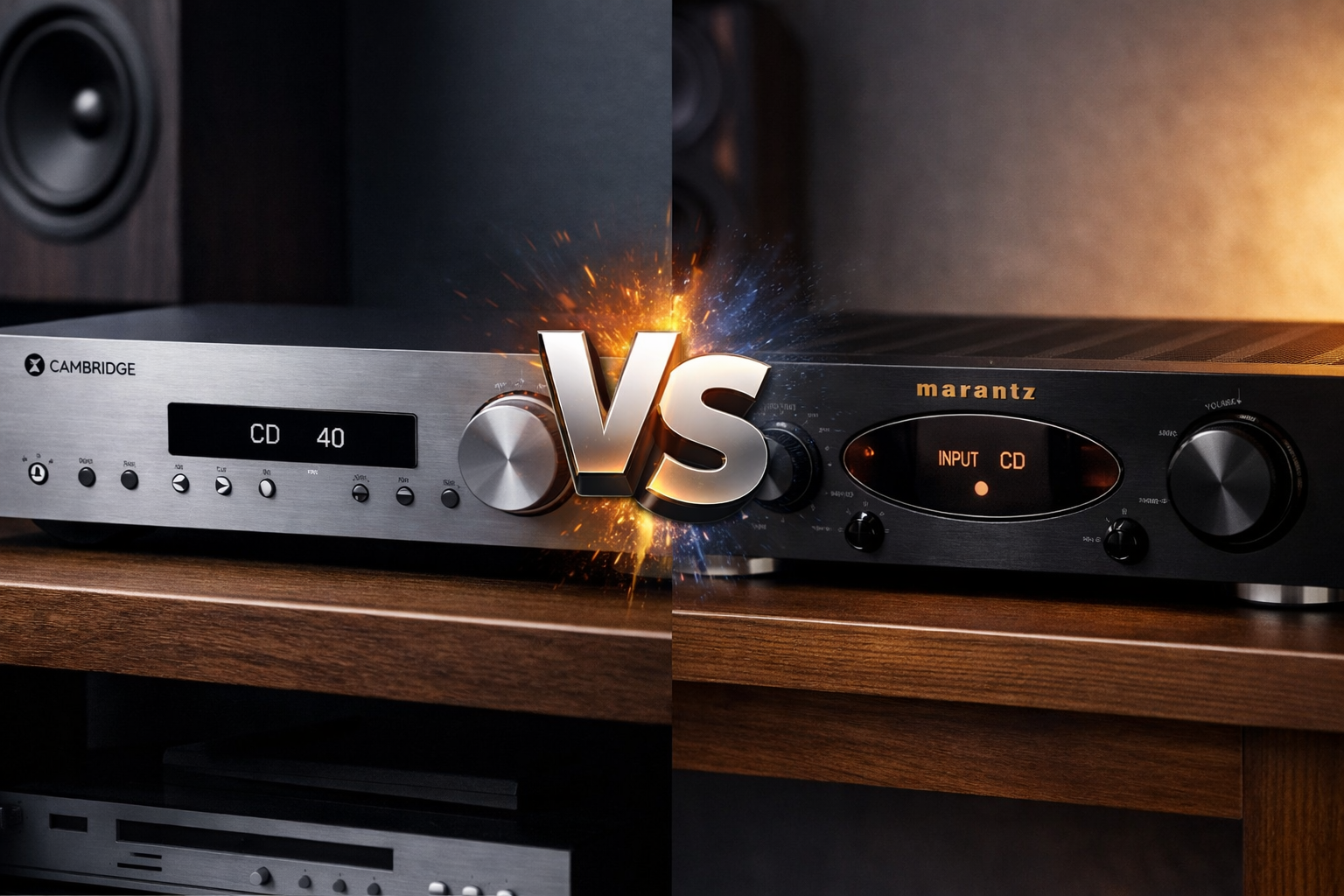
Cambridge Audio vs Marantz integrated amplifiers side-by-side comparison
A side-by-side visual comparison highlighting the design approach of Cambridge Audio and Marantz amplifiers.
Affiliate Disclosure: This article contains affiliate links. If you buy through links on our site, we may earn a commission at no extra cost to you.

Brand DNA & Design Philosophy

To understand the real differences in the cambridge vs marantz comparison, it helps to start with how each brand approaches amplifier design at a fundamental level. These companies do not simply tune products differently at the end of development. Instead, they build amplifiers around distinct priorities that influence sound, features, and long-term ownership.

Many of the listening differences people notice later—such as clarity, warmth, or presentation style—can be traced back to these early design decisions. Looking at brand philosophy first provides a clearer framework for evaluating sound and usability without relying on vague descriptions.

Cambridge Audio: Precision, Balance, and Signal Integrity

Cambridge Audio follows a design philosophy rooted in accuracy and signal preservation. The brand aims to reproduce recordings with minimal alteration, allowing the source material and connected speakers to define the final sound character. This approach places a strong emphasis on clean signal paths, controlled gain stages, and consistent tonal balance.

In practice, this philosophy favors clarity and separation over added warmth or coloration. Cambridge Audio amplifiers often present music with a sense of openness and structure, which can make subtle details easier to perceive. Listeners who value transparency and precise imaging often gravitate toward this style of presentation.

Rather than tailoring the sound to a specific genre or mood, Cambridge Audio designs its amplifiers to behave predictably across different systems. This makes speaker choice and room acoustics especially important, as they play a larger role in shaping the final listening experience.

Marantz: Musical Flow and Long-Term Listening Comfort

Marantz takes a more listener-focused approach to amplifier design. While technical performance remains important, the brand places equal weight on how music feels during extended listening sessions. Its design philosophy prioritizes smoothness, tonal cohesion, and midrange presence, where vocals and acoustic instruments carry most of their character.

This emphasis often results in a presentation that sounds fuller and more relaxed, especially at moderate listening levels. Many listeners describe Marantz amplifiers as inviting rather than analytical, which can reduce listening fatigue over time. These traits do not come from accidental tuning but from deliberate voicing choices throughout the circuit design.

It is also useful to view Marantz within its broader engineering context. The brand shares development resources and core platforms with Denon, a relationship explained in this overview of Denon amplifier design philosophy. While Marantz and Denon differ in voicing and product positioning, their shared foundation contributes to reliability and consistency.

Why Design Philosophy Matters Before Sound Comparisons

Design philosophy influences far more than tonal balance. It affects how an amplifier handles dynamics, how it interacts with different speaker loads, and how forgiving it sounds with less-than-perfect recordings. These traits remain consistent across product lines, even as features and power ratings change.

By understanding these philosophical differences early, it becomes easier to interpret later sound impressions and feature comparisons. Rather than asking which brand is better, the more useful question becomes which design approach aligns with your listening habits, speakers, and expectations.
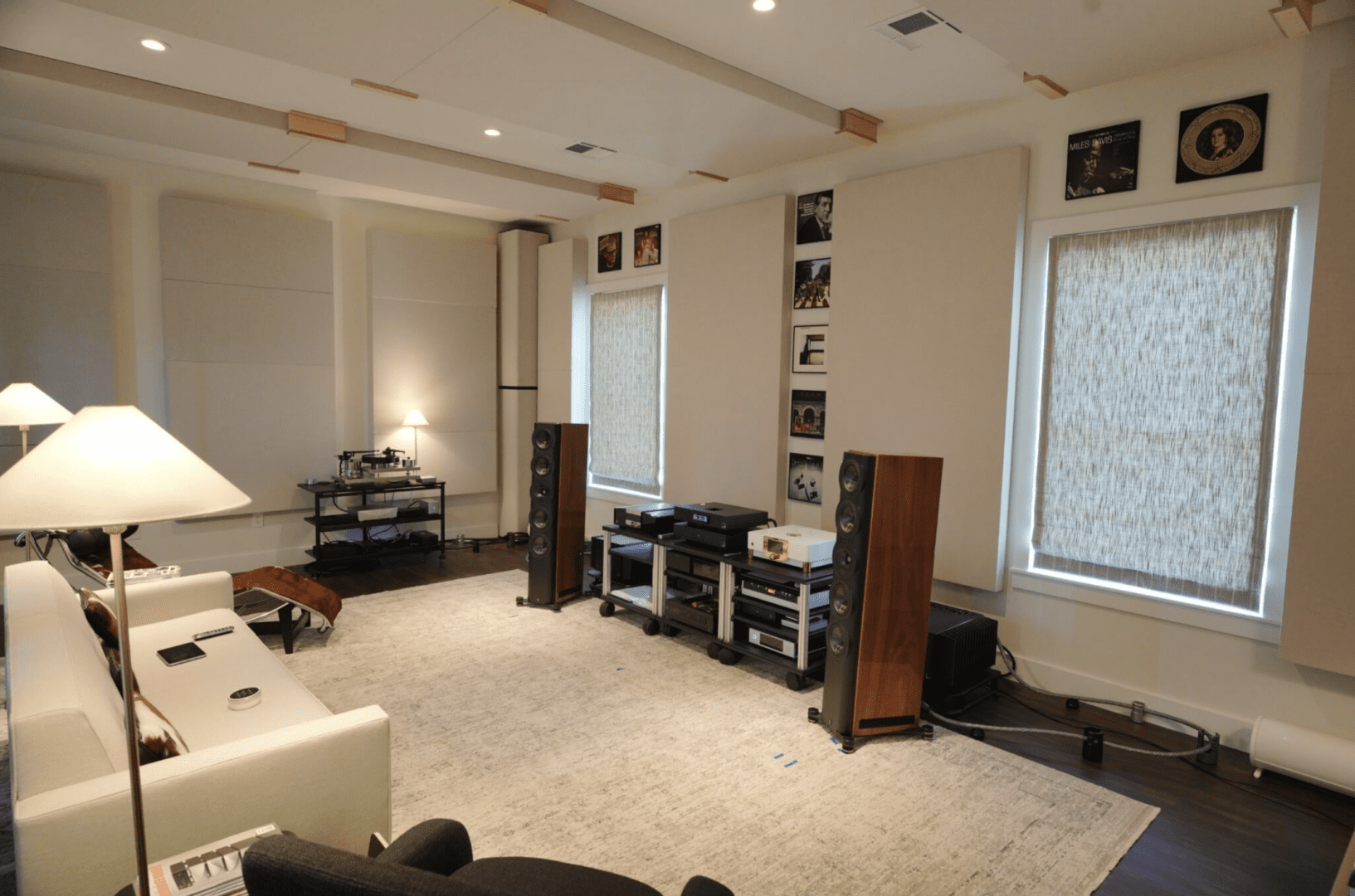
Dedicated listening room designed for evaluating amplifier sound character and tuning
A controlled listening environment helps reveal differences in tonal balance, imaging, and amplifier voicing.

Sound Signature Breakdown

While specifications can suggest how an amplifier might perform, they rarely explain how it actually sounds in a real listening environment. The most meaningful differences between Cambridge Audio and Marantz emerge during extended listening, where tonal balance, spatial presentation, and dynamic behavior shape the overall experience.

These characteristics do not exist in isolation. They interact closely with speakers, room acoustics, and listening habits. Understanding how each brand tends to present music makes it easier to predict which sound signature will feel more natural over time.

Tonal Balance and Midrange Character

Cambridge Audio amplifiers typically aim for a balanced and neutral tonal presentation. The midrange often sounds clean and open, with clear separation between vocals and accompanying instruments. This clarity can make complex mixes easier to follow, especially in well-recorded material.

Marantz amplifiers tend to place greater emphasis on midrange richness and cohesion. Vocals often sound slightly fuller, and instruments blend together in a way that feels smooth rather than sharply defined. This approach can make recordings feel more organic, particularly with acoustic or vocal-focused music.

Detail Retrieval and Transparency

Detail retrieval refers to how clearly an amplifier reveals subtle information in a recording, such as room ambience, texture, and low-level background elements. Cambridge Audio often highlights these details through precise transient handling and clear separation between instruments.

Marantz approaches detail differently. Instead of pushing micro-details forward, it tends to integrate them naturally into the overall presentation. Listeners may still hear the same information, but it arrives as part of a cohesive whole rather than standing out on its own.

Soundstage, Imaging, and Spatial Presentation

Soundstage describes the perceived width and depth of the musical image, while imaging refers to how precisely instruments appear within that space. Cambridge Audio amplifiers often present a well-defined soundstage with clear positional cues. Instruments occupy distinct locations, which can enhance the sense of realism in spacious recordings.

Marantz amplifiers usually favor a slightly more blended spatial presentation. The soundstage may feel less sharply outlined, but it often flows more smoothly from left to right. This can create a more relaxed listening experience, especially in smaller rooms or nearfield setups.

Bass Control and Dynamic Behavior

Bass performance is not only about depth, but also about control and timing. Cambridge Audio tends to deliver bass that feels tight and disciplined, with clearly defined attack and decay. This can benefit genres that rely on rhythmic precision, such as electronic music or modern rock.

Marantz often emphasizes bass weight and continuity over strict tightness. Low frequencies can feel fuller and more rounded, which pairs well with genres that benefit from warmth and body. At moderate listening levels, this character can sound engaging without becoming overwhelming.

Listening Fatigue and Long-Term Comfort

Short listening tests rarely reveal how an amplifier behaves over hours of use. Cambridge Audio’s clarity and precision can feel engaging, but in highly reflective rooms or with bright speakers, it may require careful system matching to avoid fatigue.

Marantz’s smoother presentation often prioritizes comfort during long sessions. Its voicing can make less-than-perfect recordings easier to enjoy, which matters for listeners with large and varied music libraries.

Listening Tip: If possible, evaluate amplifiers at home or in a familiar room. Room acoustics and speaker pairing often influence perceived sound differences more than brief in-store demos.
Cambridge Audio and Marantz amplifiers showing front-panel controls and connectivity features
Front-panel layout and interface design reflect how each brand prioritizes usability and system interaction.

Features, Connectivity & Usability

Sound quality often takes priority in amplifier discussions, but features and usability play a major role in long-term satisfaction. How an amplifier connects to sources, how easy it is to operate, and how well it fits into a broader system can matter just as much as its sonic character.

Cambridge Audio and Marantz approach features from different angles, reflecting their broader design philosophies. Neither brand aims to overwhelm users with options, but their priorities differ in subtle and important ways.

Connectivity Philosophy and Input Selection

Cambridge Audio typically emphasizes a streamlined approach to connectivity. Inputs are chosen to cover common modern sources without unnecessary duplication. This design keeps signal paths simple and reduces complexity, which aligns with the brand’s focus on clarity and predictability.

Marantz often offers a slightly broader range of input options, particularly for listeners who use multiple analog sources. This flexibility reflects its focus on system integration and everyday usability, especially in mixed-format setups that include both digital and analog components.

Digital Conversion and Built-In DACs

When digital inputs are included, Cambridge Audio tends to treat the DAC as an extension of the amplifier’s core signal path. The goal is clean conversion with minimal coloration, allowing digital sources to sound consistent with analog inputs.

Marantz approaches digital conversion with a greater emphasis on tonal cohesion. Its DAC implementation often aims to blend smoothly with the amplifier’s overall voicing, which can make digital sources sound less clinical and more in line with analog playback.

Phono Stages and Vinyl Playback

Both brands commonly include moving-magnet phono stages in their integrated amplifiers, but their priorities differ. Cambridge Audio’s phono sections often favor accuracy and low noise, making them suitable for listeners who value clarity and definition in vinyl playback.

Marantz phono stages tend to emphasize warmth and midrange presence. This approach can complement turntables and cartridges that already lean toward musicality, creating a cohesive vinyl listening experience without requiring immediate upgrades.

Controls, Interface, and Day-to-Day Operation

Usability extends beyond input counts. Front-panel layout, remote control logic, and display clarity all affect how an amplifier feels in daily use. Cambridge Audio often favors clean layouts with minimal visual distraction, which can make operation intuitive once familiar.

Marantz typically places more emphasis on tactile feedback and visual cues. Knobs, displays, and indicators are designed to feel reassuring and approachable, especially for listeners who interact frequently with their system rather than setting it once and forgetting it.

Integrated Design and System Simplicity

Both Cambridge Audio and Marantz focus heavily on integrated amplifiers, combining preamplification and power amplification into a single chassis. This design choice simplifies system building and reduces cabling, which appeals to many listeners.

If you’re new to system building or deciding between integrated and separate components, this guide on integrated versus power amplifiers explains why many modern systems favor integrated designs for balance and convenience.

High-end floorstanding speakers paired with an integrated amplifier in a dedicated listening room
Speaker size, placement, and room acoustics strongly influence how an amplifier’s sound is perceived.

Speaker Pairing & Room Matching

An amplifier never operates in isolation. Speakers, room size, and placement all influence how its sound character is perceived. This makes system matching one of the most important factors when choosing between Cambridge Audio and Marantz, especially since their design philosophies interact differently with various setups.

Understanding these interactions helps avoid common mistakes, such as pairing a highly revealing amplifier with overly bright speakers or expecting a modest system to fill a large room effortlessly.

Speaker Sensitivity and Load Behavior

Speaker sensitivity and impedance determine how demanding a load an amplifier must drive. Cambridge Audio amplifiers often pair well with speakers that are reasonably sensitive and well-controlled, as their precise presentation benefits from speakers that respond quickly and predictably.

Marantz amplifiers tend to work comfortably with a wider range of speaker sensitivities. Their slightly fuller voicing can help compensate for speakers that sound lean or forward, making them a forgiving choice in mixed or budget-conscious systems.

Small Rooms and Nearfield Listening

In smaller rooms or nearfield setups, clarity and control become especially important. Cambridge Audio’s neutral balance and clear imaging can create a focused soundstage without overwhelming the space, provided the speakers themselves are not overly bright.

Marantz can also perform well in small rooms, particularly for listeners who prefer a smoother presentation at moderate volumes. Its relaxed midrange can make long listening sessions more comfortable, even when speakers sit close to the listening position.

Medium to Large Rooms

As room size increases, speaker choice and placement play a larger role in perceived performance. Floorstanding speakers or larger bookshelf designs often demand greater current delivery and control. Cambridge Audio’s disciplined bass response can help maintain definition in these environments when paired carefully.

Marantz’s fuller low-end character can add a sense of weight and scale in larger rooms, especially at everyday listening levels. This can be beneficial for listeners who value presence and warmth over absolute precision.

Music Preferences and Listening Habits

Listening habits often matter as much as technical specifications. Listeners who enjoy detailed recordings, complex arrangements, or analytical listening sessions may appreciate how Cambridge Audio highlights separation and structure.

Those who favor vocal music, acoustic genres, or long background listening sessions may find Marantz’s smoother presentation easier to live with. Its voicing can soften harsh recordings and maintain musical flow over time.

System Synergy Over Individual Components

Choosing the right amplifier becomes easier when viewed as part of a complete system rather than a standalone purchase. Speaker characteristics, room acoustics, and personal preferences should guide the decision more than brand reputation alone.

For a deeper look at how amplifier and speaker characteristics interact, this guide on matching an amplifier to your speakers explains why system synergy often matters more than raw specifications.

System Tip: When matching an amplifier to speakers, prioritize synergy over brand reputation. A well-matched system will outperform a higher-end amplifier paired poorly.
High-end home audio system in a dedicated listening room illustrating the final listening experience
The best amplifier choice depends on how well it complements your speakers, room, and listening habits.

Final Verdict

Choosing between Cambridge Audio and Marantz is less about identifying a better brand and more about understanding which design philosophy aligns with your listening priorities. Both manufacturers build capable, well-engineered amplifiers, but they aim to deliver different experiences.

When Cambridge Audio Makes More Sense

Cambridge Audio is often the better fit for listeners who value clarity, structure, and precision. Its amplifiers tend to present music with a clean tonal balance and well-defined imaging, which can highlight detail and separation in high-quality recordings.

This approach works particularly well for listeners who enjoy focused listening sessions, modern production styles, or speakers that already offer warmth and body. In systems where accuracy and transparency take priority, Cambridge Audio’s signal-first philosophy can feel rewarding and consistent.

When Marantz Is the Better Match

Marantz suits listeners who prioritize musical flow, midrange richness, and long-term comfort. Its amplifiers often deliver a smoother presentation that encourages extended listening without fatigue, even with less-than-perfect recordings.

This character pairs naturally with vocal music, acoustic genres, and systems where speakers lean toward brightness or analytical detail. For listeners who value emotional engagement and relaxed enjoyment over strict neutrality, Marantz often feels more inviting.

The More Important Takeaway

Neither brand exists in isolation from the rest of the system. Speakers, room acoustics, source quality, and listening habits all influence how an amplifier performs in practice. A well-matched system built around either Cambridge Audio or Marantz can deliver excellent results.

Rather than asking which brand sounds better in absolute terms, the more useful question is which approach complements your speakers, room, and listening style. When those elements align, both Cambridge Audio and Marantz are capable of delivering a satisfying and engaging home audio experience.

Next Step: If you’re still undecided, list your speakers, room size, and listening habits first. Matching those factors correctly often matters more than choosing between two excellent amplifier brands.

Frequently Asked Questions

Do Cambridge Audio and Marantz amplifiers really sound different?

Yes, but the differences are subtle and system-dependent. Cambridge Audio generally emphasizes clarity, separation, and tonal balance, while Marantz often focuses on midrange richness and long-term listening comfort. Speaker choice, room acoustics, and listening habits can amplify or minimize these differences.

Is one brand more accurate than the other?

Accuracy depends on how you define it. Cambridge Audio typically aims for a more neutral and transparent presentation, while Marantz prioritizes musical cohesion and smoothness. Neither approach is inherently better; each reflects a different interpretation of faithful sound reproduction.

Does price level out the sound differences between Cambridge Audio and Marantz?

Higher-priced models from both brands narrow the gap in technical performance, but core voicing philosophies usually remain consistent. Even at similar price points, the overall presentation often reflects each brand’s design priorities rather than converging into the same sound.

Will speakers make a bigger difference than the amplifier brand?

In many systems, yes. Speakers and room acoustics usually have a greater impact on sound than the amplifier alone. A well-matched speaker and amplifier combination will almost always outperform a mismatched pairing, regardless of brand.

Which brand is better for long listening sessions?

Many listeners find Marantz amplifiers more forgiving during extended sessions due to their smoother presentation. However, Cambridge Audio can also be comfortable for long listening when paired with the right speakers and used in a well-treated room.