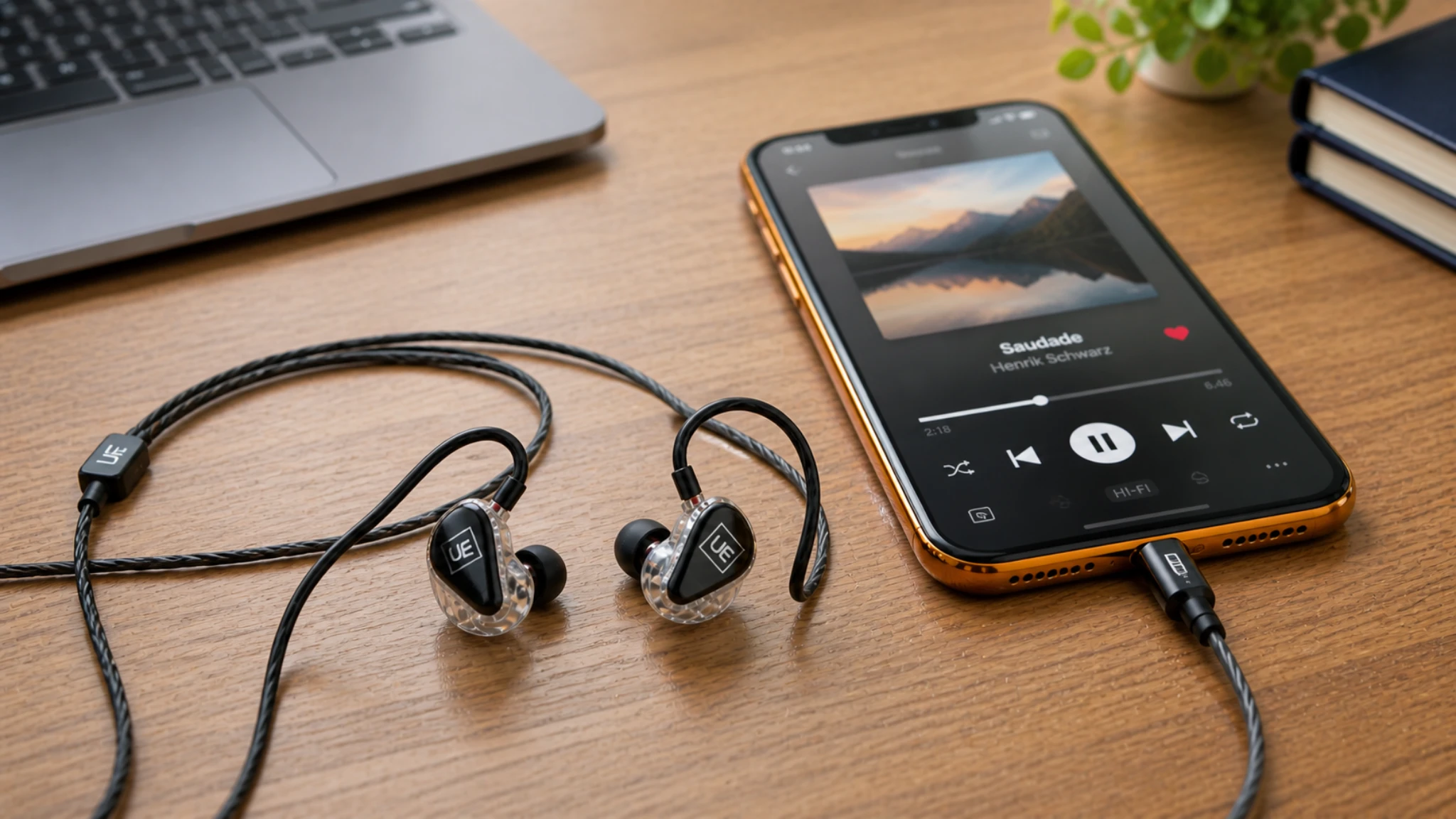
You’ve spent real money on a pair of headphones. They sound decent. But the phrase “headphone amplifier” keeps coming up — attached to words like “transforms” and “unlocks” and “night and day difference.” You’re wondering whether your headphones are being held back. Whether you’re missing something. Whether a box costing another $100 or $200 is the answer.
The honest answer is: maybe. It depends almost entirely on which headphones you own and what you’re plugging them into. A headphone amp genuinely changes things for some setups — for others, it adds cost and complexity and nothing else. This guide cuts through both camps — the audiophile hype and the dismissive “you can’t hear the difference” crowd. The answer is more specific than either side admits.
Quick Answer: You need a headphone amplifier if your headphones are high-impedance (150Ω+), planar magnetic, or if you’re running them from a laptop, phone, or TV that can’t drive them cleanly. You don’t need one if your headphones are sensitive, low-impedance IEMs or earbuds that already perform well from your current source. The biggest variable isn’t the amp — it’s whether your headphones are currently being driven correctly.
This article contains affiliate links. If you purchase through them, we may earn a commission at no extra cost to you. This helps support AmplifierZone and allows us to keep creating in-depth, unbiased audio guides.
The Short Answer — and Why It’s Not Simple
Most audio questions have a single correct answer. This one has two, depending on context:
Do you need a headphone amplifier?
- No — if your headphones are sensitive, low-impedance IEMs or consumer earbuds, and your source (phone, laptop, DAP) already drives them cleanly
- No — if your headphones have a built-in amplifier (wireless/Bluetooth models handle their own amplification)
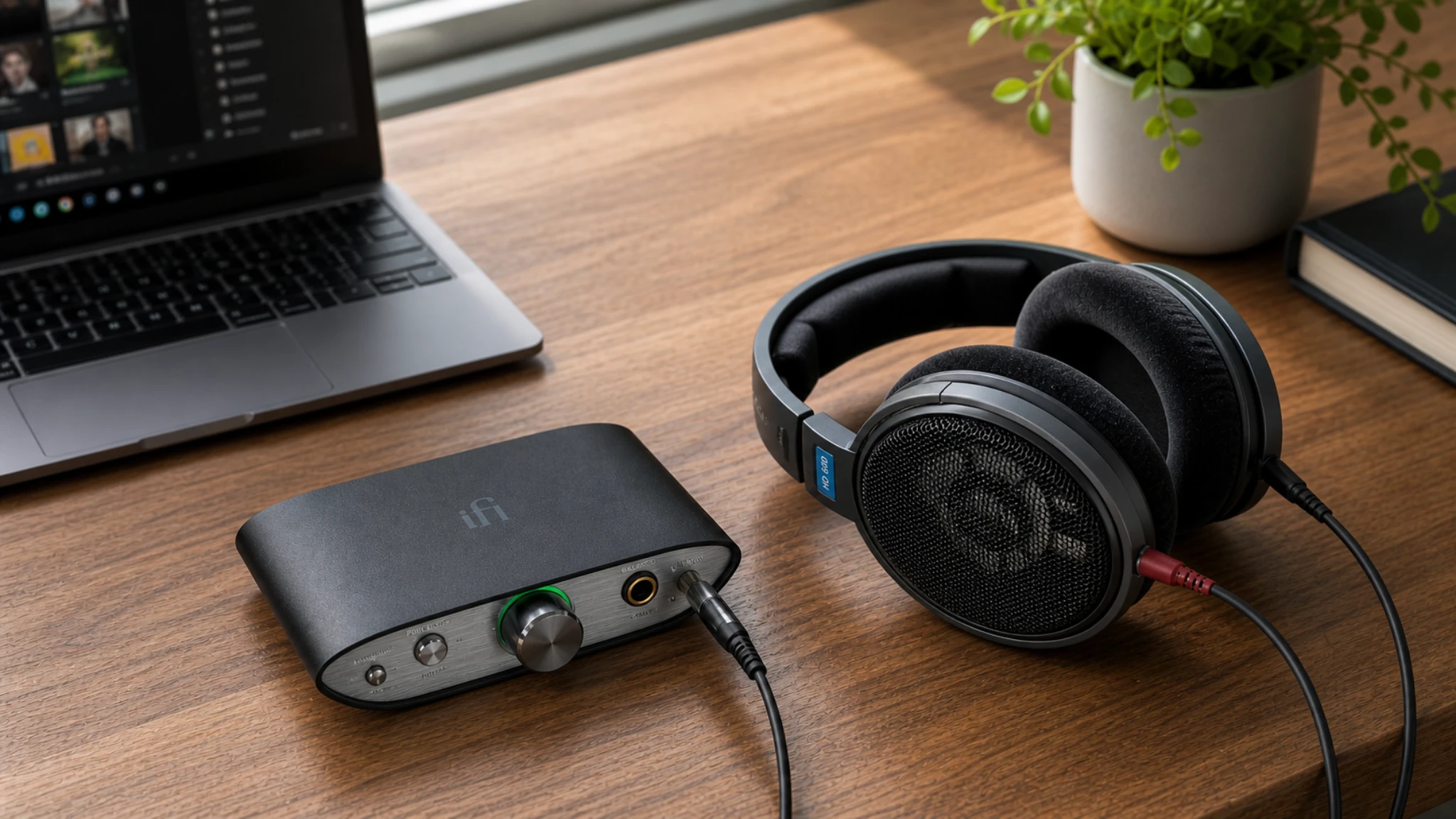
- Yes — if your headphones are high-impedance (150Ω or above) and sound quiet, flat, or thin from your current device
- Yes — if your headphones are planar magnetic, which need consistent current regardless of impedance
- Yes — if your source has a noisy output and you hear hiss, background buzz, or a closed-in soundstage even at moderate volume
- Probably — if your headphones are 32–80Ω and you notice compressed dynamics or a strained quality at higher volumes
The reason this isn’t a single-word answer is that the headphone amplifier market is shaped by two very different audiences: people who genuinely need one to use their headphones as designed, and people who buy one hoping it will improve headphones that already work well from their existing source. The first group hear a clear, immediate difference. The second often don’t — because there wasn’t a problem to solve.
When You Genuinely Don’t Need a Headphone Amp