
Sony Amplifiers for Home Audio & Home Theater

Sony amplifiers often appeal to people who want a straightforward way to power both home audio and home theater systems. Many of these users are not chasing perfect sound signatures or endless adjustments. Instead, they want something that works well with modern TVs, streaming devices, and game consoles.

For years, Sony has focused on making electronics that fit naturally into everyday living spaces. That same philosophy shows up in its amplifiers. Setup tends to be simple. Day-to-day use feels predictable. Features are designed to solve common problems rather than impress on a spec sheet.

This approach makes Sony different from brands that prioritize sound tuning above all else. Sony does not aim to satisfy dedicated stereo purists. Its amplifiers are built to handle movies, shows, games, and music from one central system. For many households, that flexibility matters more than chasing subtle audio details.

At the same time, this design focus creates clear trade-offs. Some listeners will appreciate Sony’s clean and controlled sound. Others may find it less engaging for music-only listening. Understanding those strengths and limits is key before choosing a Sony amplifier.

In this guide, we take a practical look at Sony amplifiers for home audio and home theater use. We will cover what Sony does well, where it may fall short, and who these amplifiers are truly best suited for. The goal is clarity, not persuasion.
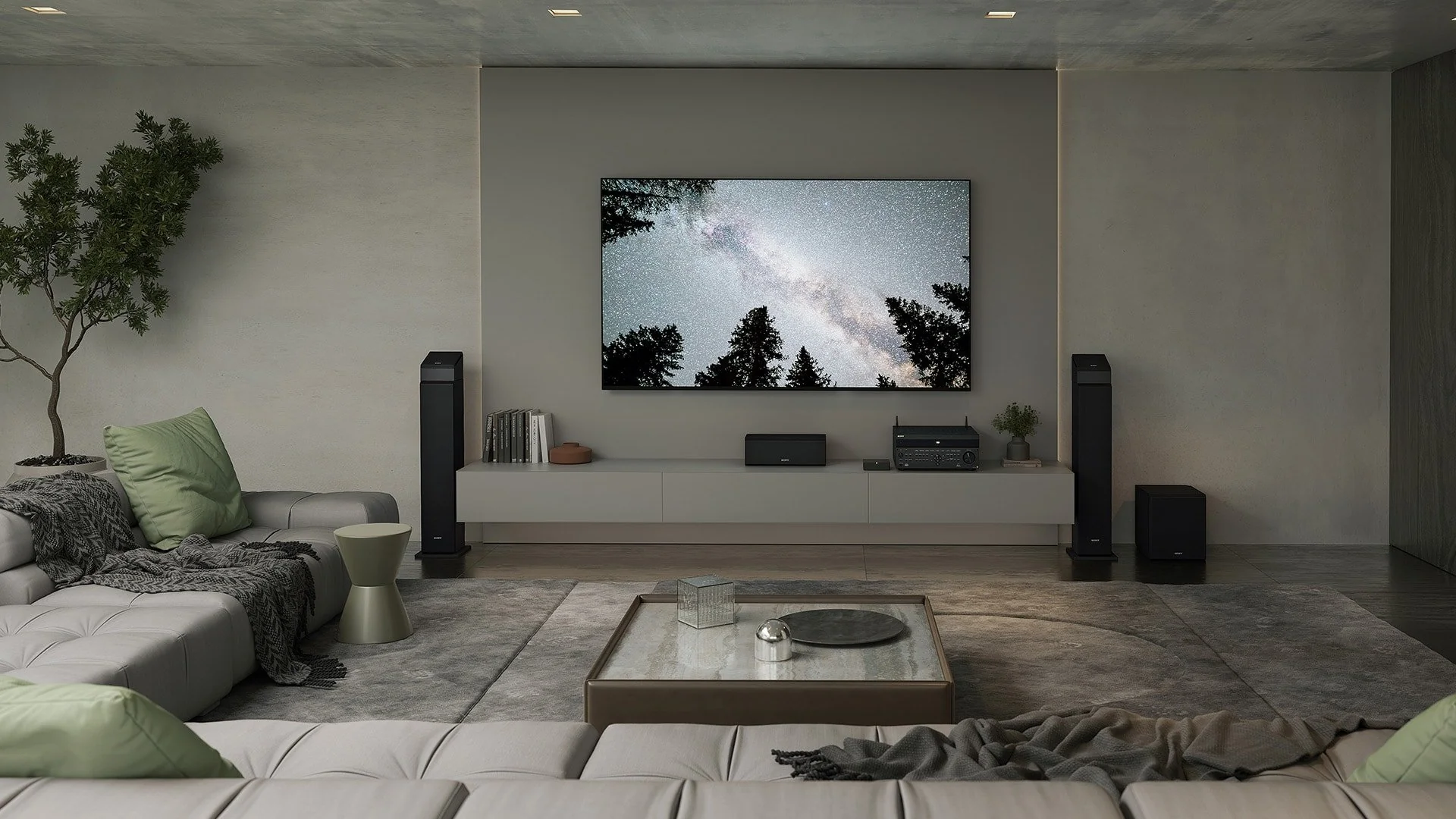
Sony amplifier powering a modern home audio and home theater setup
Sony amplifiers are designed to integrate seamlessly into modern home audio and home theater systems.
Affiliate Disclosure: This article contains affiliate links. If you buy through links on our site, we may earn a commission at no extra cost to you.

Sony Amplifiers at a Glance

Sony’s current amplifier lineup focuses almost entirely on AV receivers. While the brand has a long history in two-channel audio, most modern Sony amplifiers are designed for multi-speaker setups centered around a TV.

These amplifiers usually act as the hub of a home entertainment system. They handle video switching, surround sound formats, and speaker management in one place. This reduces the need for separate components and keeps the system easier to control.

Sony also places a strong emphasis on compatibility. Its amplifiers are built to work smoothly with modern TVs, streaming platforms, and gaming consoles. As a result, users spend less time adjusting settings and more time enjoying content.

However, this convenience-first approach also explains what Sony does not emphasize. The brand offers very few new amplifiers focused solely on two-channel music listening. Instead, Sony prioritizes versatility, ease of use, and system integration across different types of media.

Sony AV Receivers for Home Theater

Why Sony Focuses on AV Receivers

Sony builds most of its amplifiers as AV receivers because modern home setups revolve around TVs. In many homes, one system handles movies, shows, gaming, and streaming. As a result, Sony designs its amplifiers to manage all of those tasks from a single unit.

Instead of splitting audio and video across separate components, Sony combines them. This approach reduces clutter and makes daily use easier. Because of that, many users spend less time adjusting settings and more time enjoying content.

Designed for Modern Living Rooms

This design works well in living rooms where entertainment takes many forms. For example, Sony AV receivers focus on stable HDMI connections, clear dialogue, and reliable surround sound. They avoid deep audio tuning that most users never touch.

You can see this approach clearly in models like the Sony STR-DH790. Sony designed it to be easy to set up and dependable in daily use, rather than complex or time-consuming to configure.

Sony AV receiver integrated into a home audio and speaker setup
Sony AV receivers act as the main hub for TVs, speakers, and connected media devices.

AV Receivers vs Stereo Amplifiers

Sony’s focus on AV receivers also explains how these units differ from stereo amplifiers. AV receivers power multiple speakers and handle video signals at the same time. Stereo amplifiers, on the other hand, focus only on two speakers and a simpler audio path.

If you are unsure which type of system fits your setup, this receiver vs amplifier guide explains the differences in clear, practical terms.

Overall, Sony AV receivers suit homes built around a TV and several media sources. They prioritize ease of use and compatibility instead of fine-grained sound control.

Music Listening on Sony Amplifiers

How Sony Approaches Music Playback

Sony amplifiers can handle music playback without trouble, especially in mixed-use systems. Many users listen to music while watching TV or streaming content. Because of that, Sony tunes its amplifiers to sound balanced and easy on the ears.

Vocals remain clear, and bass stays controlled. As a result, music sounds clean during casual listening sessions. This works well for background music, playlists, and everyday use around the home.

Sony amplifier used in a dedicated music listening room with speakers
Sony amplifiers support music listening well, especially in systems that also serve home theater needs.

Where Sony Falls Short for Music-Only Systems

However, Sony does not design its amplifiers mainly for dedicated music systems. Signal paths include digital processing and video-related circuitry. Because of this, the sound can feel less direct than what a stereo-focused amplifier delivers.

Listeners who care most about detail and separation may notice this difference. Stereo amplifiers often provide a more engaging experience for long, focused music sessions.

Important: If music is your main priority and you use only two speakers, a dedicated stereo amplifier will usually offer better clarity and involvement.

For users who split their time between movies and music, Sony offers a practical middle ground. One system can handle both without constant adjustment or extra components.

Who Sony Amplifiers Are Best For

Homes Built Around a TV

Sony amplifiers suit households where a TV sits at the center of daily entertainment. Movies, shows, sports, and streaming all run through the same system. Because of that, Sony’s AV-first design feels natural in these setups.

Mixed-Use Listening Habits

Many people split their time between watching and listening. They may play music during the day and switch to movies at night. Sony amplifiers support this pattern well, since they balance sound quality with convenience.

Users Who Prefer Simple Setup

Sony appeals to users who want quick results. Setup tends to be straightforward, and daily use feels predictable. As a result, less time goes into menus and adjustments.

Tip: If your system includes a TV, several HDMI sources, and more than two speakers, Sony’s all-in-one approach often makes sense.

Shared Living Spaces

In shared rooms, ease of use matters. Sony amplifiers work well when more than one person controls the system. Clear menus and stable performance reduce confusion and friction.

Overall, Sony fits best when flexibility and reliability matter more than fine-tuning. For everyday entertainment, that balance works in many homes.

Budget also plays a role when choosing a Sony amplifier. For a broader view of what’s available in this price range, this roundup of the best AV receivers under $1000 shows how Sony models typically compare in features and overall value.

Who Should Probably Avoid Sony

Music-First Listeners

Sony amplifiers are not ideal for people who focus mainly on music listening. If your system exists only for music and uses two speakers, Sony’s AV-focused design may feel unnecessary.

Because Sony builds its amplifiers around video and multi-channel features, the signal path is more complex. As a result, dedicated stereo amplifiers often deliver a more direct and engaging sound for music-only systems.

Vinyl-Centered Setups

Listeners who build their systems around turntables may also feel limited. While some Sony models include phono inputs, the overall design still favors digital sources and HDMI-based setups.

For vinyl-heavy systems, simpler analog-focused amplifiers often provide a better long-term experience.

Users Who Enjoy Tweaking and Tuning

Sony prioritizes ease of use over deep customization. That works well for many households, but it may frustrate users who enjoy adjusting sound profiles, crossover points, and advanced audio settings.

Important: If you enjoy fine-tuning your system or chasing specific sound characteristics, Sony’s straightforward approach may feel limiting.

Knowing when a brand is not the right fit matters as much as knowing when it is. For the right user, Sony works well. Outside that use case, other options make more sense.

Home theater setup illustrating how to choose the right Sony amplifier
Choosing a Sony amplifier depends on how you balance TV use, movies, and everyday listening.

How to Choose a Sony Amplifier

Start With Your Room and Speakers

Room size and speaker count should guide your choice first. Smaller rooms with fewer speakers usually work well with entry-level AV receivers. Larger rooms and surround setups benefit from models with more power and channel support.

Think About TV and HDMI Needs

If your system connects to a TV, HDMI support becomes essential. Sony amplifiers are designed to act as the central switch for video sources, which simplifies daily use and reduces cable clutter.

Balance Movies and Music

Sony works best when movies, shows, and casual music share the same system. If you watch far more than you listen, Sony’s AV-first design makes sense. If music dominates your listening time, other brands may fit better.

Important: Avoid paying for features you won’t use. Choosing the right Sony amplifier means matching features to real habits, not future guesses.

A clear understanding of how you use your system helps narrow the lineup quickly and prevents overbuying.

Comfortable living room setup using a Sony amplifier for home entertainment
Sony amplifiers work best in living rooms where TV, movies, and casual listening share one system.

Final Verdict: Are Sony Amplifiers Worth It?

Sony amplifiers make sense when home entertainment revolves around a TV. Movies, shows, sports, and streaming services are where Sony feels most at home. The experience stays simple, stable, and easy to live with.

For music-focused listeners, Sony may feel less engaging. Stereo-first brands often deliver a more direct and expressive sound. For example, this Yamaha amplifiers guide shows how a different design philosophy can better suit music-centered systems.

In the end, Sony is not about chasing perfect sound. It is about balance. If you want one amplifier to handle modern TV setups without fuss, Sony is a solid choice. If music comes first, other options deserve a closer look.

Frequently asked questions

Are Sony amplifiers good for home theater?

Yes. Sony amplifiers are designed mainly for home theater use. They focus on HDMI connectivity, surround sound support, and smooth integration with modern TVs.

Are Sony amplifiers good for music listening?

Sony amplifiers handle casual music listening well, especially in mixed-use systems. However, dedicated stereo amplifiers usually provide better sound quality for music-only setups.

Do Sony amplifiers work well with modern TVs and consoles?

Most modern Sony amplifiers support HDMI connections for TVs, gaming consoles, and streaming devices, making them suitable for everyday living room setups.

Who should avoid Sony amplifiers?

Listeners who focus mainly on music, vinyl playback, or advanced sound tuning may prefer an amplifier brand that specializes in two-channel audio.