Beginner Amplifier Budget: How Much Should You Spend?
Wondering how much to spend on your first amp? This beginner amplifier budget guide breaks down price ranges, value, and what you really need.
Buying Guides••AmplifierZone Editorial Team
Buying your first amplifier can feel confusing almost immediately. One guide suggests spending under $100, while another recommends $500 or more for “good sound.” For a beginner, it’s hard to tell whether those differences actually matter — or if you’re just being pushed toward more expensive gear.
The truth is, amplifier pricing isn’t random. As you move up in budget, what changes isn’t just power or features — it’s how the system behaves when you actually listen. Some setups feel clean and controlled, while others start to sound strained or inconsistent the moment you turn the volume up.
If you’re trying to figure out an amplifier budget as a beginner, the goal isn’t to spend as much as possible. It’s to understand what each price range really gives you — and where spending more actually makes a difference in real listening situations.
Quick Answer:
Most beginners should spend between $150 and $500 on an amplifier. Below $150, systems often lack control at higher volume, while above $500, improvements become more subtle rather than essential.
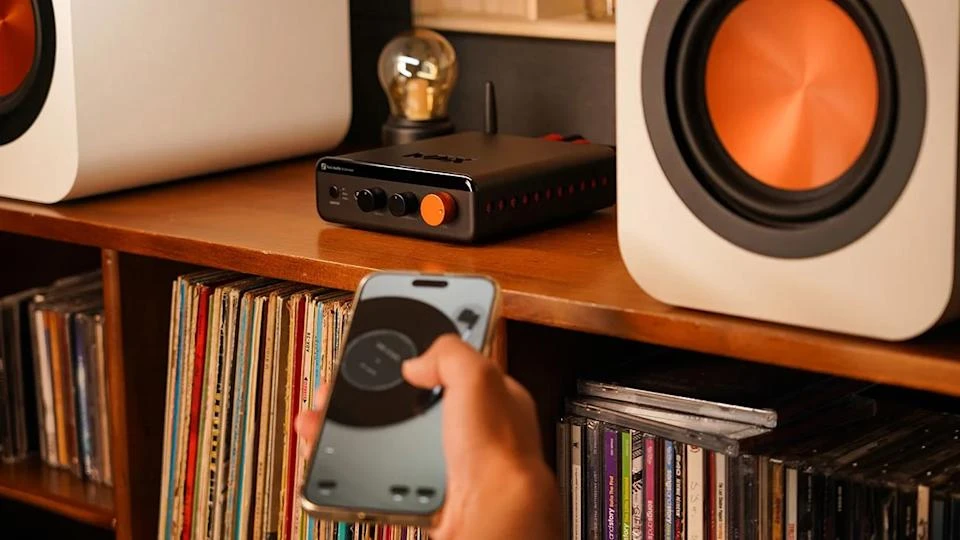
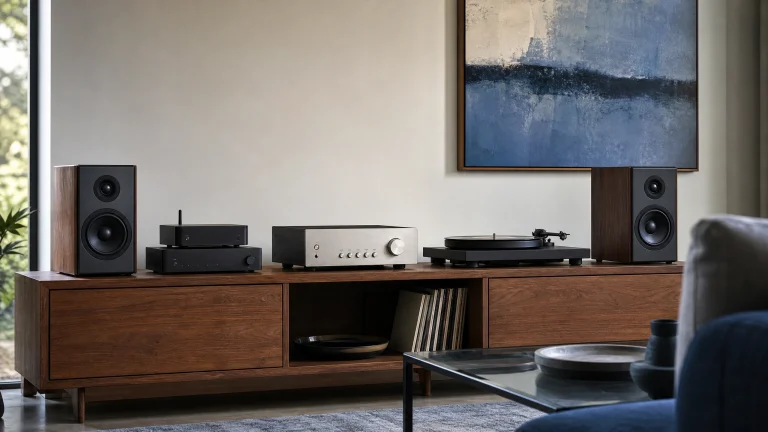
A simple beginner audio setup where a compact amplifier powers passive speakers, demonstrating how amplification affects sound clarity and control.
Affiliate Disclosure: As an Amazon Associate, AmplifierZone may earn from qualifying purchases. This helps support our content at no additional cost to you.
At first glance, amplifier pricing can seem inconsistent. You might see one amp selling for under $100 and another for $500 or more, even though both claim to power a pair of speakers. For beginners, that difference often feels arbitrary — but it’s not.
The price of an amplifier is largely determined by how it handles power delivery and signal control under real listening conditions. Cheaper amplifiers can produce sound, but they often struggle to maintain clarity and stability when pushed. More expensive amplifiers are designed to deliver cleaner power, handle dynamic changes in music, and remain consistent even at higher volumes.
What You’re Actually Paying For
As you move up in budget, you’re not just paying for more features — you’re paying for improvements in how the amplifier behaves across different listening scenarios:
Cleaner power delivery — less distortion when music becomes complex or loud
Better control over speakers — tighter bass and more stable soundstage
Improved dynamic response — the system handles quiet and loud passages more naturally
Build quality and reliability — consistent performance over long listening sessions
These differences may not be obvious at first, especially at low volumes. But as you spend more time listening — or increase volume — the gap between entry-level and higher-quality amplifiers becomes much more noticeable.
Inside a high-quality amplifier, large power supplies, capacitors, and clean circuit design help deliver stable power and clearer, more controlled sound.
What Happens If You Spend Too Little on an Amplifier
One of the most common mistakes beginners make is assuming that any amplifier will “do the job” as long as it produces sound. And at first, that assumption can seem correct. The system plays music, everything works, and nothing feels obviously wrong.
But as you spend more time listening — or start increasing the volume — subtle problems begin to appear. The sound may lose clarity, bass can feel loose or weak, and the overall presentation starts to feel strained rather than controlled.
This is where amplifier quality begins to matter. Lower-cost amplifiers often struggle when the signal becomes more demanding, especially with dynamic music or more challenging speaker loads.
The “It Sounds Fine… Until It Doesn’t” Problem
Many entry-level systems follow the same pattern. At low to moderate volumes, everything sounds acceptable. But once the system is pushed slightly — whether through louder playback or more complex tracks — the limitations become noticeable.
You might hear:
Distortion creeping into vocals or instruments
Loss of detail in busy music passages
Weak or uncontrolled bass response
A general sense that the system is “struggling”
This doesn’t mean cheap amplifiers are useless. In fact, there are some very capable entry-level options available today. If you’re exploring best budget home amplifiers, you’ll find models that perform well within their limits.
The key is understanding those limits — and recognizing when spending a little more can make the system feel noticeably more stable and enjoyable.
Beginner Amplifier Budget Breakdown (What You Actually Get)
Instead of asking “how much should I spend,” it’s more useful to look at what each price range actually delivers. The experience of using an amplifier changes noticeably as you move through different budget levels — not just in power, but in how stable and controlled the system feels.
Under $100 — Basic, but Limited
At this level, most amplifiers are designed for very simple setups. They can power small speakers in nearfield environments, such as a desk or small room, but they often lack the headroom needed for dynamic music or higher volumes.
You may notice that the system sounds fine at low levels, but starts to feel compressed or strained when pushed. For casual listening, this range can work — but it leaves little room for growth.
$100–$300 — Entry-Level Sweet Spot
This is where many beginners should start. Amplifiers in this range offer enough power and control for small to medium rooms, and they tend to perform more consistently across different types of music.
You’ll still find limitations, but the system begins to feel more balanced. For many listeners, this range provides the best balance between affordability and usability.
$300–$500 — Where Systems Start to Feel Right
As you move into this range, the difference becomes more noticeable. Amplifiers here typically offer better power reserves, improved clarity, and more stable performance at higher volumes.
Music feels less strained, bass becomes tighter, and the overall presentation is more controlled. If you’re considering options in this category, exploring the best stereo amplifiers under $500 is a good way to see what this level offers.
$500+ — Refinement, Not Necessity
Above $500, improvements continue, but they become more subtle. You’re paying for refinement — cleaner detail, improved build quality, and better long-term performance — rather than dramatic changes in sound.
For most beginners, this level isn’t essential. It becomes more relevant when the rest of the system is already well-matched and capable of revealing those finer differences.
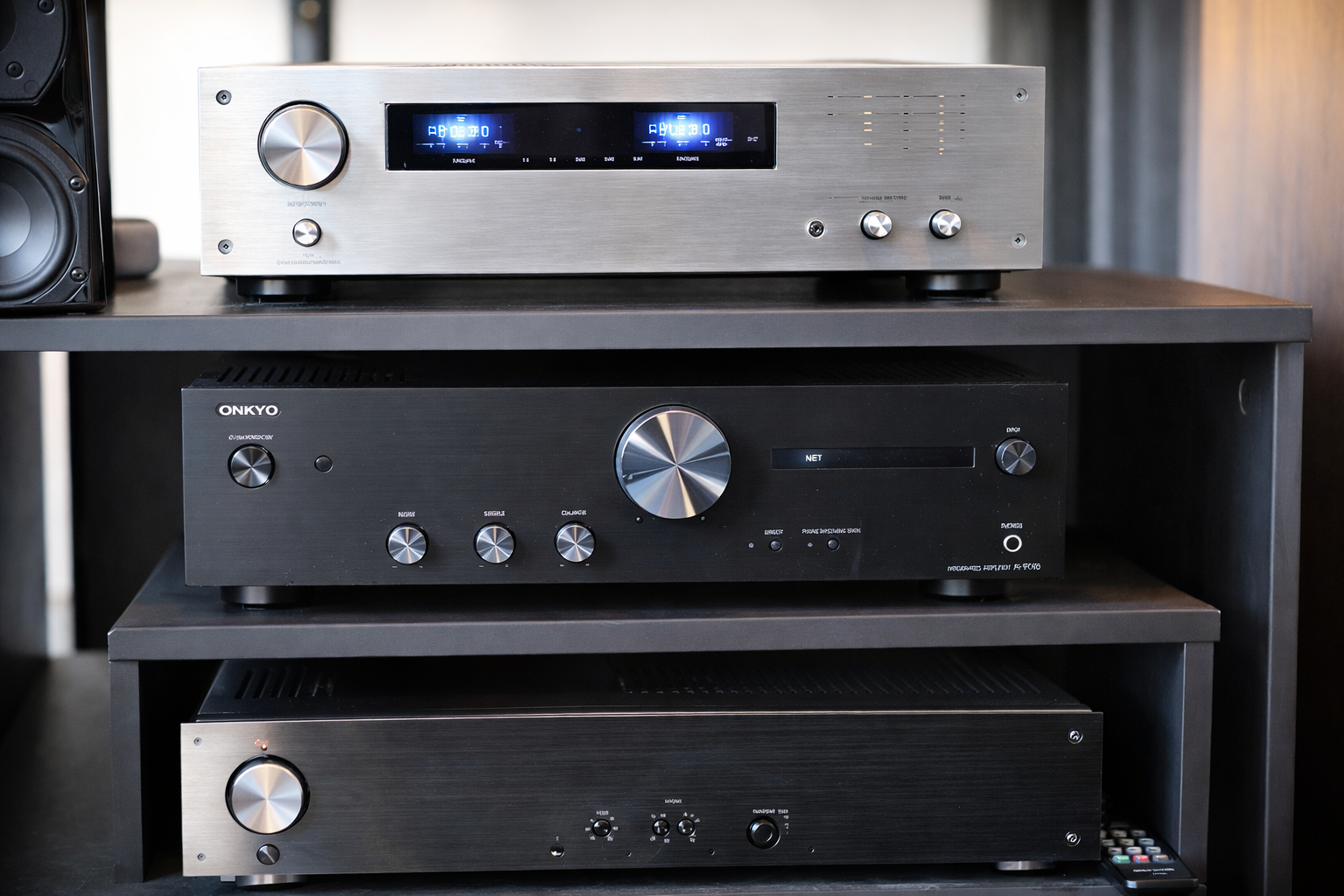
A comparison of entry-level and higher-tier amplifiers, where improved build quality, power supply design, and component size contribute to better control and consistent sound performance.
Do Beginners Really Need to Spend More?
Not always. One of the biggest misconceptions around audio gear is that spending more automatically leads to better sound. In reality, how much you should spend depends heavily on how and where you plan to use your system.
For some setups, a modest amplifier is more than enough. For others, spending a little more can completely change how the system performs. The key is understanding where that difference actually matters.
When a Lower Budget Is Enough
In certain situations, a lower-cost amplifier can perform perfectly well without noticeable limitations.
Small rooms where you don’t need high volume levels
Nearfield listening (such as desk setups)
Efficient speakers that are easy to drive
Casual listening habits without demanding dynamics
In these cases, the system isn’t pushing the amplifier hard enough to expose its weaknesses, so even entry-level models can sound clean and enjoyable.
When Spending More Makes a Noticeable Difference
As the system becomes more demanding, amplifier limitations become easier to hear.
Larger rooms that require more power to fill
Less efficient speakers that need more current
Higher listening volumes where distortion becomes more apparent
Dynamic music with wide volume swings
In these situations, stepping up in budget can make the system feel more controlled, more stable, and more comfortable to listen to over longer periods.
The Biggest Mistake Beginners Make
The biggest mistake beginners make isn’t spending too little or too much — it’s focusing on the amplifier in isolation. It’s easy to think of the amp as the “main” component, but in reality, it’s just one part of a larger system.
What matters more than the amplifier’s price is how well it matches the rest of your setup. A perfectly capable amplifier can still sound underwhelming if it’s paired with the wrong speakers or used in the wrong environment.
Instead of asking “How much should I spend on an amplifier?”, a better question is:
“How balanced is my overall system?”
Why System Balance Matters More Than Budget Alone
Every part of an audio system influences the final result — speakers, amplifier, room size, and listening habits all play a role. Spending heavily on one component while neglecting others often leads to disappointing results.
For example, pairing a powerful amplifier with small entry-level speakers won’t unlock better performance if the speakers themselves are the limiting factor. Likewise, a weak amplifier paired with demanding speakers can cause the system to feel strained and inconsistent.
For beginners, it’s often more helpful to look at reliable entry-level options from established brands rather than focusing purely on price. Exploring best amplifier brands for beginners can give you a clearer idea of what balanced systems look like at different budget levels.
Compact Systems vs Full Systems (Budget Impact)
One factor that significantly affects how much you should spend on an amplifier is the type of system you’re building. Not all setups require the same level of power, control, or flexibility — and that directly influences your budget.
For many beginners, the choice often comes down to compact systems versus full component systems.
Compact setups — such as desktop or small-room systems — typically use smaller amplifiers with lower power output. These systems are designed for convenience and efficiency, making them a practical choice for everyday listening.
If you’re considering this type of setup, exploring the best mini amplifier options can help you find compact models that deliver solid performance without requiring a large budget.
Full systems, on the other hand, are built around larger speakers and dedicated listening spaces. These setups benefit from amplifiers with more power and better control, especially when dealing with dynamic music or higher volume levels.
Because of this, full systems generally require a higher amplifier budget — not for luxury, but to ensure the system remains stable and balanced under real listening conditions.
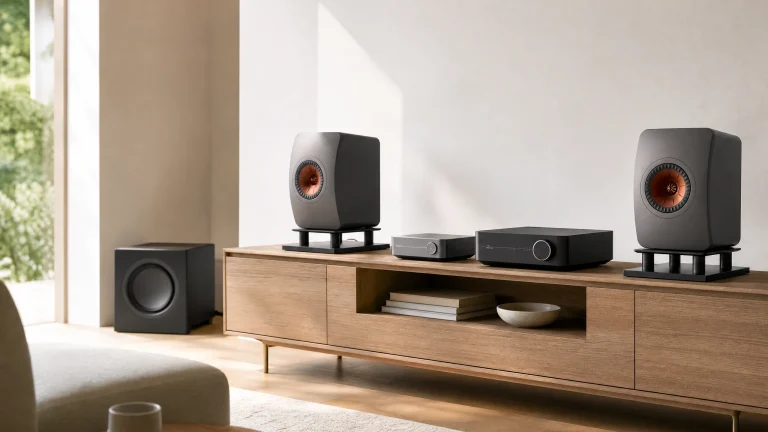
A side-by-side comparison of a compact desktop amplifier setup and a full hi-fi stereo system, illustrating the trade-off between simplicity and the greater power, control, and scalability of larger systems.
Quick Budget Decision Guide
If you’re still unsure how much to spend, the right amplifier budget usually comes down to your system size and listening expectations. The table below simplifies the decision based on common beginner scenarios.
This breakdown shows how a beginner amplifier budget scales with system size — not just price, but how stable and controlled the system feels during real listening.
If you want…
Budget Range
Why
Simple desktop or nearfield setup
$50–$150
Low power requirements and short listening distance
Small room audio system
$150–$300
Balanced entry-level performance with enough headroom
Full stereo system
$300–$500
Better control, clarity, and dynamic stability
Long-term or upgrade-focused system
$500+
Improved refinement and flexibility for future upgrades
Real-World Examples
$100 mini amp: fine for a desk setup with small speakers, low volume listening
$300 integrated amp: ideal for a small living room with bookshelf speakers
$500+ amp: better for larger rooms or floorstanding speakers with higher power needs
For most beginners, a realistic amplifier budget falls between $150 and $500, depending on room size, speakers, and listening habits.
This chart simplifies how amplifier budget scales with system size and listening demands.
A decision chart that helps match your amplifier budget to your system size, room, and listening goals—from compact desktop setups to full hi-fi systems.
Final Verdict: How Much Should a Beginner Spend on an Amplifier?
For most beginners, the right amplifier budget isn’t about finding the cheapest option or jumping straight to high-end gear. It’s about spending enough to make the system feel stable, controlled, and enjoyable in real listening situations.
If your setup is small and your listening habits are modest, a lower-cost amplifier can be perfectly adequate. But as soon as the system becomes more demanding — larger speakers, higher volume, or more dynamic music — spending a bit more can make a noticeable difference.
In practical terms, most beginners will find their ideal range somewhere between $150 and $500. This range offers a balance between affordability and performance, without unnecessary overspending.
The most important takeaway is this: your amplifier should match your system, not just your budget. When everything is balanced, even a modest setup can sound clean, controlled, and satisfying.
FAQ
How much should I spend on my first amplifier?
Most beginners should aim to spend between $150 and $500. This range provides enough power and control for a stable, enjoyable listening experience without unnecessary overspending.
Is a cheap amplifier good enough for beginners?
In small setups or for low-volume listening, a cheap amplifier can work fine. However, limitations such as distortion and lack of control may become noticeable as volume or system demands increase.
Do expensive amplifiers sound better?
More expensive amplifiers often provide cleaner power and better control, but the improvement depends on the rest of the system. Without matching speakers and setup, the difference may be minimal.
Can I upgrade my amplifier later?
Yes. One advantage of separate audio systems is that you can upgrade your amplifier independently as your system evolves or your listening preferences change.
What matters more: speakers or amplifier?
Both are important, but speakers typically have a greater impact on overall sound. However, the amplifier must still provide enough clean power to drive them properly.